
Step-by-Step Guide to Egg Freezing for Future Family Planning
- 2 days ago
- 10 min read

Thinking about your next steps when fertility becomes a concern can feel overwhelming. For many women between 35 and 45, options like egg freezing offer hope and practical control over future family planning. Understanding your eligibility, current fertility health, and the process itself is essential before making a decision. This guide highlights how to assess your health, what to expect during each stage, and how clinics worldwide approach egg freezing, giving you clarity and confidence as you explore your choices.
Table of Contents
Quick Summary
Key Point | Explanation |
1. Assess Eligibility and Health | Understand your age and ovarian reserve to determine if egg freezing is appropriate for you. Consult a specialist to evaluate your baseline fertility. |
2. Prepare Physically and Mentally | Get ready for the cycle with hormone injections and emotional support. Understand both physical and mental preparation requirements. |
3. Follow Ovarian Stimulation Protocol | Adhere to daily hormone injections and attend monitoring appointments to maximize egg production and ensure health. Don’t skip any scheduled visits. |
4. Understand Egg Retrieval Process | During the egg retrieval, sedation is provided. The eggs are collected and processed for viability immediately afterward for freezing. |
5. Verify Successful Egg Storage | Confirm that your eggs have been successfully frozen and understand the documentation and future options for using them in the future. |
Step 1: Understand Eligibility and Assess Fertility Health
This step helps you determine if egg freezing is right for you and establishes your current fertility baseline. You’ll gather key information about your health, age, and fertility status to make an informed decision about moving forward.
Start by understanding that egg freezing eligibility isn’t one-size-fits-all. Your age, ovarian reserve, and overall health all play major roles in whether this option makes sense for your situation. Most fertility specialists recommend egg freezing for women under 40, though women up to 45 may still be candidates depending on their individual circumstances.
Here’s a quick comparison of egg freezing suitability by age group:
Age Group | Recommended for Egg Freezing | Typical Success Rates | Special Considerations |
Under 35 | Highly recommended | Highest (per egg) | Most clinics favor this group |
35-40 | Still recommended | Moderate | May require more eggs per cycle |
41-45 | Selected candidates only | Lower | Individual health factors crucial |
Above 45 | Rarely recommended | Lowest | Clinic eligibility limits apply |
Next, you’ll want to assess your current fertility health through specific tests and evaluations:
Anti-Müllerian Hormone (AMH) testing measures your ovarian reserve, showing how many eggs your ovaries may produce
Follicle-stimulating hormone (FSH) levels indicate how hard your pituitary gland is working to stimulate egg production
Transvaginal ultrasound counts your antral follicles, which correlates with egg quantity
General health screening including blood work for infectious diseases and overall wellness
Schedule a consultation with a reproductive endocrinologist to review these results. During this conversation, your doctor will explain what planned oocyte cryopreservation involves, including efficacy rates, costs, and potential risks. You should also discuss clinic-specific success rates and what realistic outcomes look like for your age and ovarian reserve.
You’ll also want to understand the financial and emotional commitments. Egg freezing requires multiple clinic visits, medication injections, and a minor surgical procedure. Understanding these requirements upfront helps you prepare mentally and practically.
Informed decision-making is essential: know your baseline fertility numbers before committing to the process.
Many women find it helpful to gather results from any previous fertility testing. If you’ve had a fertility workup or assessment done elsewhere, bring those records to your consultation. This gives your specialist a complete picture of your reproductive health.
Pro tip: Request your complete AMH and FSH results in writing before your consultation, then research what your specific numbers mean for your age group—this preparation ensures you ask targeted questions during your appointment.
Step 2: Prepare Physically and Mentally for Egg Freezing
This step focuses on getting your body and mind ready for the egg freezing cycle. Preparation spans several weeks and involves both medical protocols and emotional readiness.
Physical preparation begins with understanding the medication regimen. You’ll receive hormone injections that stimulate your ovaries to develop multiple eggs simultaneously. These injections typically start about two weeks before egg retrieval and require daily administration at home. Your clinic will provide detailed training on injection technique, timing, and storage.
Your preparation timeline includes these key elements:
Week 1 to 2: Begin baseline bloodwork and ultrasound monitoring to establish your starting point
Week 2 to 3: Start stimulation medications as prescribed by your fertility specialist
Week 3 to 4: Attend multiple monitoring appointments (usually 3 to 5 visits) for bloodwork and ultrasounds
Week 4: Trigger injection to finalize egg maturation, followed by egg retrieval procedure
During stimulation, you may experience mild side effects like bloating, mild discomfort, or mood changes. These are typically temporary and manageable. Stay hydrated, avoid strenuous exercise, and follow your clinic’s specific activity guidelines.
Mental preparation is equally important. Understanding success rates linked to your age helps set realistic expectations. Women under 35 have higher success rates than those over 40, and this biological reality requires emotional processing.
Consider these mental health strategies:
Connect with support networks through fertility counseling, support groups, or trusted friends familiar with this journey
Manage stress using meditation, yoga, or other relaxation techniques during the cycle
Set boundaries with work and social commitments to reduce pressure during treatment weeks
Discuss emotions openly with your partner or support person about fears and hopes
Mental readiness is just as critical as physical preparation—this journey affects both your body and your emotions.
Many fertility centers offer counseling services to help you navigate the psychological aspects of egg freezing. Taking advantage of this support before and during your cycle strengthens your overall readiness. Your clinic can connect you with resources that address the emotional complexities of fertility treatment.
This table summarizes key differences between physical and mental readiness for the egg freezing process:
Aspect | Physical Preparation | Mental Preparation |
Timeline | Weeks of medical protocols | Ongoing emotional planning |
Activities | Injections, clinic visits | Support groups, relaxation techniques |
Challenges | Side effects, scheduling | Stress, expectation management |
Support Options | Nurse training, clinic guidance | Counseling services, personal support network |
Pro tip: Plan your egg retrieval cycle around a time when you can take 3 to 5 days off work for appointments and recovery—trying to hide treatment from your employer adds unnecessary stress during an already demanding process.
Step 3: Start Ovarian Stimulation and Monitor Progress
This step marks the beginning of your active treatment cycle. You’ll start daily hormone injections and begin regular monitoring to track how your ovaries respond to stimulation.
Your cycle begins with controlled ovarian stimulation using fertility medications like FSH (follicle-stimulating hormone) and hCG (human chorionic gonadotropin). These medications trigger your ovaries to develop multiple eggs simultaneously rather than the single egg your body naturally produces each month.
Here’s what your stimulation phase typically looks like:
Day 1 to 2: Receive detailed injection training from your clinic’s nursing staff on technique, timing, and medication storage
Day 2 onward: Administer daily injections at home, usually in the evening, at the same time each day
Day 5: Attend your first monitoring appointment for bloodwork and ultrasound
Day 5 to 12: Continue daily injections while attending monitoring appointments every 2 to 3 days
Day 12 to 14: Once follicles reach optimal size (usually 18mm or larger), receive your trigger shot to finalize egg maturation
Monitoring is crucial during this phase. Regular blood hormone testing and vaginal ultrasounds measure your follicle size, number, and hormone levels. These measurements help your doctor adjust medication doses to maximize egg production while minimizing risks like ovarian hyperstimulation syndrome (OHSS).
During stimulation, expect to feel more bloated than usual and experience mild discomfort. Some women report mood fluctuations or fatigue. These side effects are normal and typically resolve quickly after your retrieval.
Attendance matters. Missing monitoring appointments makes it harder for your doctor to track your progress accurately. Plan your work and schedule around these visits because they often happen on short notice based on your hormone response.
Precise monitoring prevents dangerous complications and maximizes your egg yield—don’t skip appointments even if you feel fine.
Communicate openly with your clinic about any concerns. If you experience severe abdominal pain, nausea with vomiting, or significant weight gain, contact them immediately. These could indicate OHSS, which requires medical attention.
Pro tip: Set daily phone reminders for your injections and calendar alerts for monitoring appointments 48 hours in advance—consistency with timing and attendance directly impacts your cycle outcome.
Step 4: Undergo Egg Retrieval and Laboratory Processing
This step involves the egg retrieval procedure and the critical laboratory work that follows. Your eggs will be collected and then carefully processed and evaluated to determine which ones are viable for freezing.
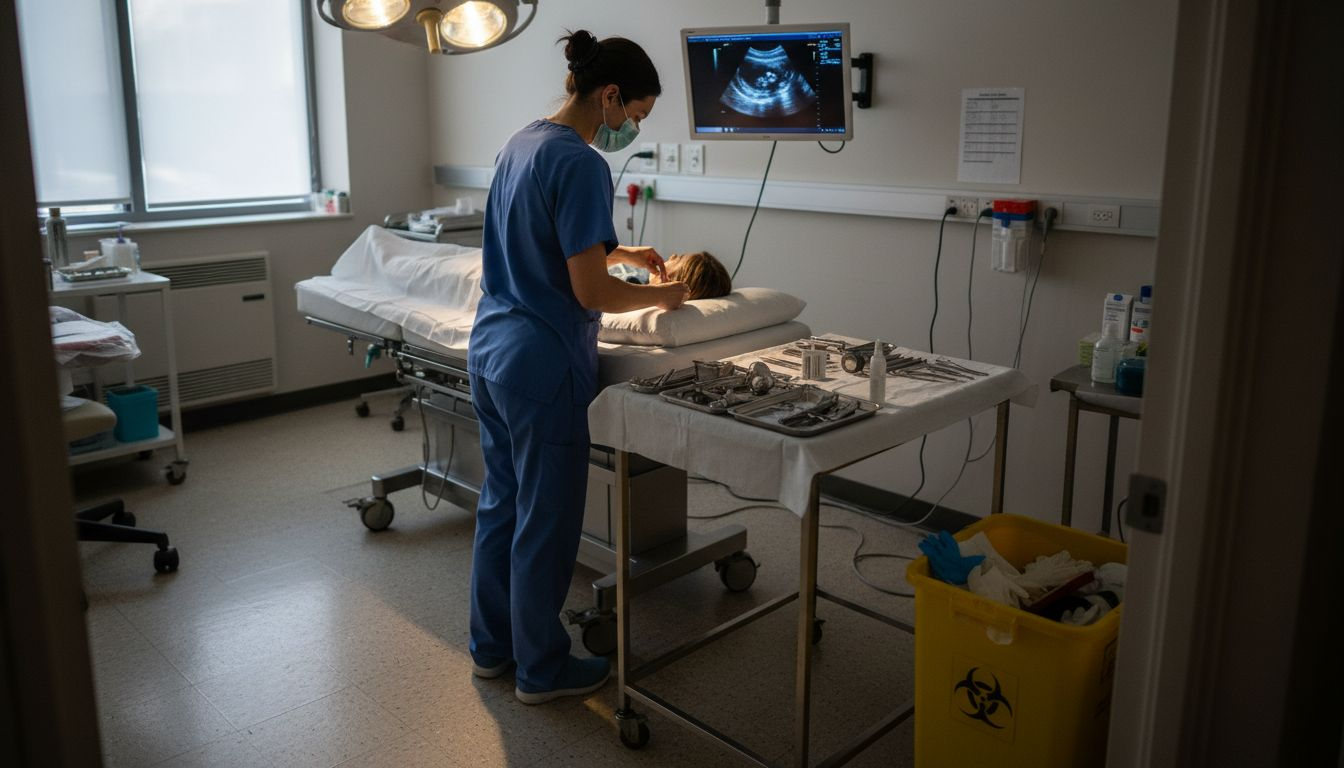
Egg retrieval happens approximately 36 hours after your trigger shot. You’ll arrive at the clinic early in the morning and receive sedation to keep you comfortable during the procedure. A reproductive specialist uses ultrasound guidance to insert a thin needle through the vaginal wall into each follicle, gently aspirating the fluid and egg inside.
Here’s what to expect during retrieval day:
Pre-procedure: You’ll change into a clinic gown and have an IV placed for sedation
During retrieval: The procedure typically takes 15 to 20 minutes, though you’ll be sedated and unaware of time passing
Immediate recovery: You’ll wake up in the recovery area and rest for 30 to 60 minutes before discharge
Post-procedure: Mild cramping and spotting are normal; plan to rest at home for the remainder of the day
While you recover, the embryology laboratory begins its work. Your eggs are examined under a microscope to assess maturity. Mature eggs (those in metaphase II) are placed in culture media and prepared for freezing. This evaluation is critical because only mature eggs are suitable for cryopreservation.
The laboratory performs additional assessments:
Morphology evaluation checks for abnormalities in egg structure
Maturity staging confirms readiness for freezing
Viability assessment determines which eggs are most likely to survive the freeze-thaw process
Your clinic will provide a fertilization report within 24 hours detailing how many eggs were retrieved and how many were mature. Understanding egg freezing outcomes and success factors helps you set realistic expectations about your frozen egg inventory.
After assessment, mature eggs are prepared using cryoprotectant solutions that prevent ice crystal formation during freezing. They’re then frozen using vitrification, a rapid freezing technique that preserves egg quality.
Quality matters more than quantity—one mature, viable egg has better potential than multiple immature eggs.
You’ll receive detailed information about your eggs, including a count of mature, frozen eggs. This number becomes your fertility insurance for the future.
Pro tip: Arrange for someone to drive you home after retrieval since you cannot drive after sedation, and take the full day off work to rest and recover comfortably.
Step 5: Verify Successful Egg Storage and Plan Next Steps
This step confirms that your eggs have been successfully frozen and stored, then helps you understand your options and timeline for using them. You’ll receive documentation about your frozen eggs and guidance on next steps.
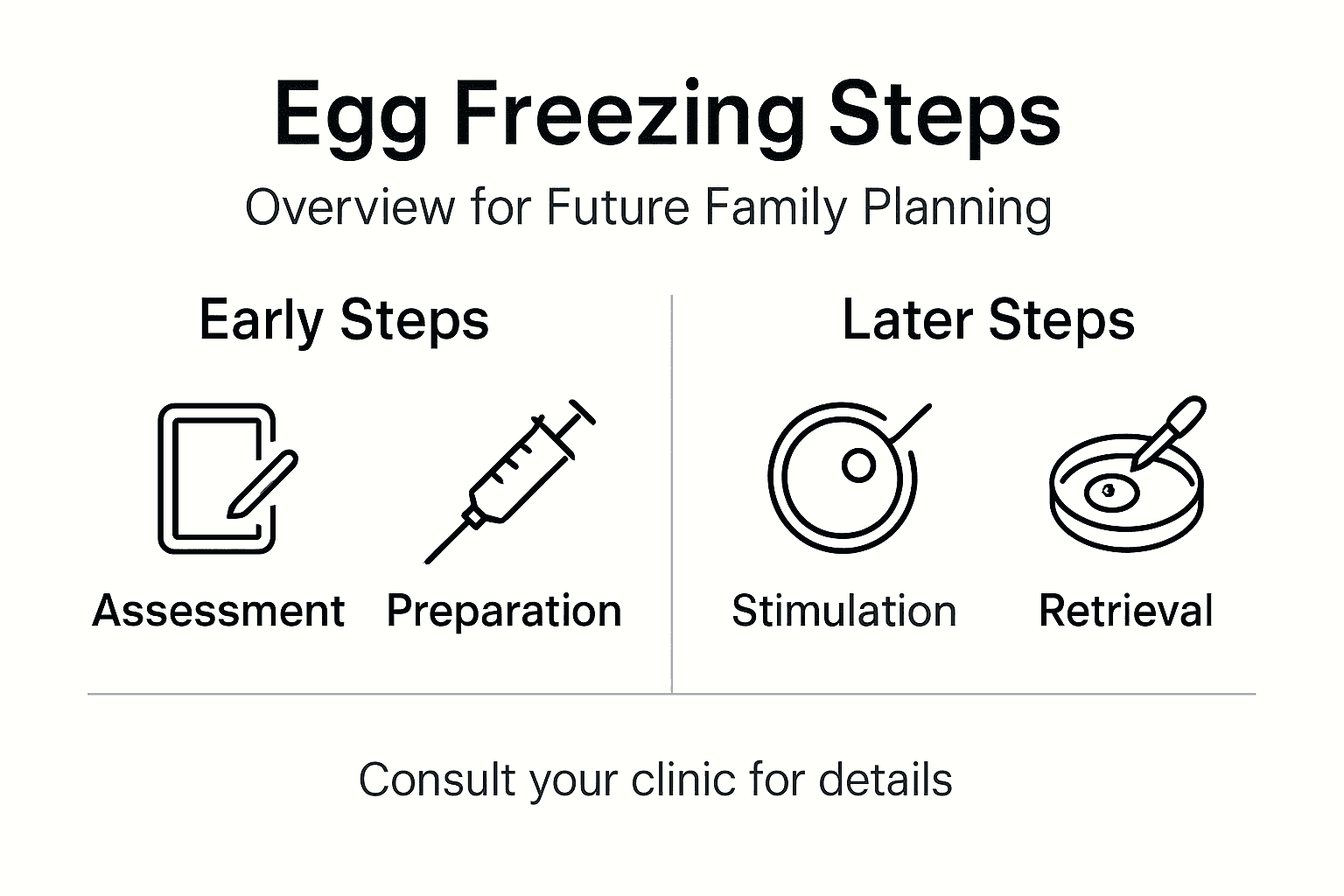
Immediately after retrieval, your embryology team completes the freezing process. Mature viable eggs are examined one final time, then cryopreserved using vitrification within about an hour of retrieval. This rapid freezing technique minimizes ice crystal formation and preserves egg quality for long-term storage.
You’ll receive critical documentation:
Egg storage confirmation listing the number of mature, frozen eggs
Cryopreservation certificate with unique identifiers for your eggs
Storage agreement outlining annual fees and storage duration
Thawing and fertilization procedures explaining what happens when you decide to use them
Understanding egg storage procedures and timing for future use helps you plan realistically. Your eggs remain viable for many years in frozen storage. When you’re ready to pursue pregnancy, you’ll return for a thawing cycle where embryologists thaw your eggs, fertilize them, and grow resulting embryos for transfer.
Now is the time to plan financially and emotionally. Review your storage fees and understand your clinic’s policies on storage duration. Some clinics charge annually, while others offer multi-year packages.
Consider these planning factors:
Timeline flexibility allows you to use eggs when life circumstances align with your family goals
Partner decisions may need revisiting if your relationship or fertility plans change
Genetic screening is optional but available if desired before embryo transfer
Clinic communication keeps you informed about your eggs’ status annually
Your frozen eggs represent an investment in future motherhood—this flexibility gives you time and control over family planning decisions.
Maintain updated contact information with your clinic so they can reach you about your stored eggs. Some centers offer annual storage check-ins to confirm your eggs remain in excellent condition.
The waiting period between egg freezing and use varies tremendously. Some women use their eggs within two years, while others wait five or more years. There’s no rush. Your eggs will be ready whenever you decide the timing is right.
Pro tip: File your storage confirmation and cryopreservation certificate in a secure location—you’ll need these documents to access your eggs later, and losing them can complicate the thawing process.
Empower Your Future with Expert Egg Freezing Support
Understanding your fertility baseline and navigating the egg freezing process can feel overwhelming. You face challenges like hormonal injections, multiple clinic visits, and the emotional weight of planning for a family on your own timeline. At Rejuvenating Fertility Center, we specialize in personalized egg freezing solutions tailored specifically for women seeking fertility preservation, especially those over 35 or with diminished ovarian reserve. Our compassionate care team guides you through every phase, from ovarian stimulation to egg retrieval and secure long-term storage with cutting-edge vitrification techniques.
Take control of your reproductive future today. Discover how our advanced treatments and supportive counseling services make egg freezing a manageable and hopeful experience. Visit Rejuvenating Fertility Center to learn more about our egg freezing services and schedule your consultation. Don’t wait to preserve your fertility; your time and options matter now.
Frequently Asked Questions
What is the ideal age for egg freezing?
Most fertility specialists recommend egg freezing for women under 40, as they generally have the highest success rates. However, women up to 45 may still be eligible based on individual health factors. Consult with a fertility specialist to assess your unique situation.
How long does the egg freezing process take?
The egg freezing process typically takes about 4 to 6 weeks from initial consultations to egg retrieval. Prepare for several clinic visits, including monitoring appointments every few days during the ovarian stimulation phase, which usually lasts about 2 weeks.
What should I expect during the egg retrieval procedure?
During the egg retrieval procedure, you’ll be sedated for comfort while a specialist collects the eggs using ultrasound guidance. The procedure lasts about 15 to 20 minutes, followed by a recovery period of 30 to 60 minutes before going home.
What are the emotional considerations when preparing for egg freezing?
Emotional preparation is critical for navigating the egg freezing journey. Engage in stress management techniques like meditation or support groups, and communicate openly with your partner or support system to discuss fears and expectations.
How are frozen eggs evaluated for quality?
After retrieval, embryologists examine your eggs for maturity, structure, and viability before freezing them. Only mature eggs are suitable for cryopreservation, and this evaluation helps ensure that high-quality eggs are preserved for future use.
What happens after my eggs are frozen?
After your eggs are successfully frozen, you’ll receive documentation detailing the number of mature eggs stored and the associated fees. Plan for financial and emotional aspects when deciding when to use your eggs for future family planning.
Recommended
Comments