
7 Best Practices for IVF in 2026 for Women Over 35
- Feb 15
- 9 min read
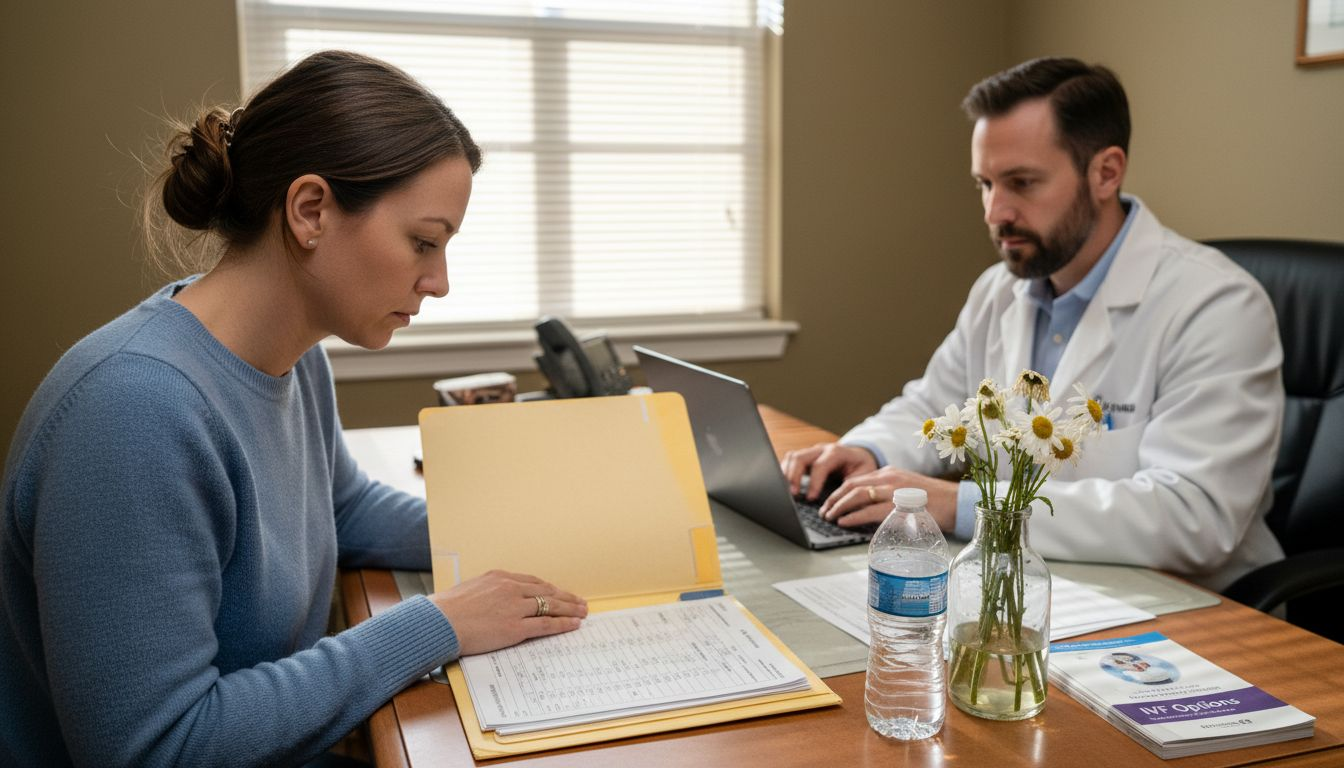
Trying to get pregnant after 35 often comes with questions and challenges that younger women might not face. You want real answers about which strategies actually improve your odds and which innovations matter most in the IVF process. The right plan can spare you unnecessary cycles, reduce emotional toll, and help you focus on solutions that work for your specific needs.
This list breaks down advanced techniques and proven medical insights for women over 35. You will get clear, actionable steps—from choosing the best clinic to understanding breakthroughs like genetic testing and personalized stimulation protocols backed by research. Get ready to discover targeted solutions that could bring you closer to your goal of a successful pregnancy.
Table of Contents
Quick Summary
Takeaway | Explanation |
1. Choose a Proven IVF Clinic | Select a clinic with high success rates for women aged 35-45 to maximize your chances of conception. |
2. Personalize Your Treatment | Tailor ovarian stimulation protocols to your unique biology for improved embryo quality and reduced risks. |
3. Utilize Genetic Screening | Employ genetic screening to select the healthiest embryos, decreasing miscarriage risks and increasing success rates. |
4. Explore Reproductive Immunology | Assess immune factors that may affect fertility to develop personalized therapeutic interventions. |
5. Embrace Holistic Wellness | Focus on preconception health through nutrition, stress management, and lifestyle changes to enhance reproductive potential. |
1. Choose a Clinic With Proven Success in Advanced IVF
Choosing the right fertility clinic is pivotal for women over 35 seeking advanced IVF treatments. The success of your fertility journey hinges on selecting a medical center that specializes in complex reproductive challenges and demonstrates exceptional outcomes for mature patients.
When evaluating potential clinics, focus on these critical factors:
Success rates specifically for women aged 35-45
Experience with advanced reproductive technologies
Personalized treatment approach
Comprehensive diagnostic capabilities
Advanced genetic screening technologies
Patient support and counseling services
Modern fertility clinics with advanced success rates combine cutting-edge medical equipment with compassionate patient care. These specialized centers understand the unique biological complexities women experience as they approach their late 30s and early 40s.
A specialized clinic with a proven track record can increase your chances of successful conception by up to 45% compared to standard fertility centers.
Key considerations should include the clinic’s track record with women in your specific age demographic. Request detailed statistics about pregnancy rates for patients similar to your medical profile. Transparent clinics will readily share comprehensive outcome data demonstrating their expertise.
Research the medical team’s qualifications thoroughly. Look for reproductive endocrinologists who specialize in advanced maternal age fertility treatments and have published research in peer-reviewed journals. Their expertise directly translates into more nuanced treatment strategies.
Pro tip: Schedule consultations with multiple clinics and prepare a comprehensive list of questions about their specific approaches to IVF for women over 35.
2. Opt for Personalized Ovarian Stimulation Protocols
Personalized ovarian stimulation represents a groundbreaking approach to IVF for women over 35 seeking optimal fertility outcomes. Tailoring hormonal protocols to your unique biological profile can significantly enhance embryo quality and pregnancy potential.
With advanced reproductive technologies emerging in 2026, women now have unprecedented opportunities to customize their fertility treatments. Modern approaches focus on precision medicine principles that adapt treatment protocols to individual patient characteristics.
Key advantages of personalized ovarian stimulation include:
Reduced hormonal exposure
Minimized medical intervention
Higher quality embryo production
Decreased risk of overstimulation
More targeted treatment strategies
Researchers have discovered that personalized clinical decision support tools can dramatically improve IVF outcomes for women across different age groups.
Precision in ovarian stimulation means treating each woman as a unique biological system rather than applying standard protocols.
The most effective personalized protocols involve comprehensive diagnostic testing that evaluates:
Hormonal baseline levels
Antral follicle count
Genetic predispositions
Previous reproductive history
Individual metabolic markers
Genetic screening and advanced diagnostic technologies now enable physicians to design highly targeted stimulation strategies that maximize your reproductive potential while minimizing medical risks.
Pro tip: Request a comprehensive genetic and hormonal assessment before finalizing your ovarian stimulation protocol to ensure maximum treatment personalization.
3. Utilize Genetic Screening for Embryo Selection
Genetic screening represents a revolutionary approach to embryo selection for women over 35 seeking to maximize their IVF success potential. This advanced technique allows physicians to identify the most genetically viable embryos before implantation reducing the risks associated with chromosomal abnormalities.
For women in their late 30s and early 40s genetic screening becomes increasingly critical due to higher risks of chromosomal complications. Preimplantation genetic testing offers a proactive strategy to address these challenges.
Key advantages of genetic embryo screening include:
Reduced miscarriage risk
Higher implantation success rates
Shorter time to pregnancy
Decreased emotional stress
More precise embryo selection
Recent research demonstrates that genetic tests on IVF embryos can substantially improve reproductive outcomes for women over 35.
Genetic screening transforms embryo selection from a probabilistic process to a precision medical intervention.
The genetic screening process typically involves:
Embryo biopsy after initial fertilization
Comprehensive chromosomal analysis
Identification of genetically normal embryos
Selection of most viable embryos for transfer
A randomized controlled trial focused on women aged 35-42 revealed significant improvements in live birth rates through precise genetic embryo evaluation. This approach allows physicians to identify embryos with the highest potential for successful pregnancy.
Pro tip: Discuss comprehensive genetic screening options with your reproductive endocrinologist to understand how this technology can be tailored to your specific fertility profile.
4. Incorporate Reproductive Immunology Assessments
Reproductive immunology assessments represent a cutting-edge approach to understanding and overcoming fertility challenges for women over 35. These specialized evaluations explore how your immune system might be impacting your ability to conceive and maintain a successful pregnancy.
Immune factors play a crucial role in fertility that many patients and even some healthcare providers overlook. Your body’s immune response can significantly influence embryo implantation and pregnancy progression particularly as you approach advanced reproductive years.
Critical components of reproductive immunology assessments include:
Comprehensive antibody screening
Immune cell profiling
Uterine immune environment analysis
Identifying potential inflammatory markers
Detecting autoimmune interactions
Endometrial immune profiling followed by targeted immunotherapy can dramatically increase live birth rates for women experiencing fertility challenges.
Understanding your immune system’s unique reproductive landscape is like decoding a complex biological blueprint for successful conception.
Key immune assessment techniques involve:
Blood antibody testing
Natural killer cell analysis
Inflammatory marker evaluation
Autoimmune disease screening
Personalized immunomodulation strategies
These assessments help physicians develop precision immunotherapeutic interventions tailored to your specific reproductive immune profile. Advanced testing can reveal underlying issues that traditional fertility screenings might miss.
Pro tip: Request a comprehensive reproductive immunology consultation that includes detailed immune system mapping to uncover potential hidden fertility barriers.
5. Leverage Ovarian and Uterine Rejuvenation Therapies
Ovarian and uterine rejuvenation therapies represent cutting-edge approaches for women over 35 seeking to optimize their fertility potential. These innovative treatments aim to enhance reproductive tissue function through advanced regenerative techniques precisely targeted at restoring reproductive health.
As women age reproductive tissues naturally experience decreased functionality which can significantly impact fertility outcomes. Regenerative medical technologies now offer promising interventions to counteract these biological limitations.
Key rejuvenation strategies include:
Platelet-rich plasma (PRP) injections
Stem cell treatments
Advanced hormonal rebalancing
Targeted tissue regeneration protocols
Personalized cellular therapies
Ovarian rejuvenation using PRP has emerged as a promising technique for stimulating follicle development and potentially improving reproductive potential.
Regenerative therapies transform reproductive medicine from managing decline to actively restoring biological potential.
Important considerations for rejuvenation therapies involve:
Comprehensive medical screening
Individual tissue assessment
Personalized treatment protocols
Strategic timing of interventions
Ongoing monitoring and evaluation
These advanced therapies offer hope for extending reproductive capabilities beyond traditional age-related limitations. By leveraging cellular regeneration techniques medical professionals can help women overcome biological constraints.
Pro tip: Consult reproductive specialists who specialize in regenerative therapies and request a comprehensive assessment of your specific rejuvenation potential.
6. Explore Donor Egg or Dual Stimulation Options
Women over 35 facing fertility challenges have powerful alternative pathways to parenthood through donor egg and dual stimulation options. These innovative approaches offer renewed hope for individuals experiencing diminished ovarian reserve or repeated IVF treatment setbacks.
Modern reproductive medicine provides sophisticated strategies to overcome age-related fertility limitations. Advanced reproductive technologies now enable multiple approaches for women seeking to expand their families.
Key options to consider include:
Traditional donor egg IVF
Dual stimulation protocols
Simultaneous egg retrieval techniques
Hybrid fertility treatment strategies
Personalized genetic screening
Through donor egg selection patients can access high-quality genetic material from carefully screened younger donors. This approach dramatically increases pregnancy success rates for women experiencing age-related fertility challenges.
Exploring alternative fertility pathways transforms limitations into opportunities for parenthood.
Consider these strategic approaches:
Comprehensive donor profile evaluation
Genetic compatibility screening
Psychological counseling
Financial planning
Treatment protocol customization
Dual stimulation protocols offer innovative fertility preservation strategies by maximizing egg retrieval potential through synchronized hormonal interventions.
Pro tip: Schedule comprehensive consultations with reproductive specialists who specialize in advanced fertility techniques to explore personalized donor and stimulation options tailored to your unique reproductive profile.
7. Focus on Holistic Wellness and Preconception Health
Holistic wellness represents a comprehensive approach to fertility that extends far beyond traditional medical interventions. For women over 35 seeking to optimize their reproductive potential, embracing a multifaceted health strategy can significantly enhance conception chances.
Preconception health involves a deliberate and integrated approach to preparing your body for pregnancy. Comprehensive wellness strategies target physical nutritional and emotional dimensions of reproductive readiness.
Key holistic wellness components include:
Nutrient-dense dietary planning
Stress management techniques
Toxin reduction strategies
Hormonal balance optimization
Mind-body wellness practices
Holistic fertility approaches can increase conception chances by targeting underlying health factors that traditional approaches might overlook.
Wellness is not about perfection but intentional progress toward your reproductive goals.
Prioritize these preconception wellness strategies:
Comprehensive nutritional assessment
Genetic health screening
Mental health support
Lifestyle modification planning
Regular integrative medical consultations
Addressing chronic conditions and creating a personalized wellness roadmap can dramatically improve your reproductive potential and overall health outcomes.
Pro tip: Begin your holistic wellness journey at least 6-12 months before planned conception to allow sufficient time for comprehensive physiological optimization.
Below is a comprehensive table summarizing strategies and considerations for women over 35 seeking advanced fertility treatment as discussed in the article.
Aspect | Focus Area | Details |
Clinic Selection | Proven Success and Expertise | Evaluate success rates, personalized treatments, and advanced technologies. |
Ovarian Stimulation | Personalized Protocols | Tailor hormonal stimulation for improved outcomes by considering individual profiles. |
Genetic Screening | Embryo Selection | Employ genetic testing to select viable embryos and reduce complications. |
Immunology Assessment | Addressing Immune Factors | Analyze reproductive immunology to overcome unseen fertility barriers. |
Rejuvenation Therapies | Ovarian and Uterine Health | Explore regenerative treatments aimed at restoring reproductive functionality. |
Alternative Options | Donor Eggs or Dual Stimulation | Consider innovative methods for overcoming reproductive limitations. |
Holistic Wellness | Preconception Health | Focus on physical, nutritional, and emotional wellness to enhance conception chances. |
Take Control of Your Fertility Journey with Personalized Solutions
Women over 35 face unique fertility challenges that require advanced, tailored approaches to IVF success. This article highlights critical practices such as personalized ovarian stimulation, genetic embryo screening, and reproductive immunology assessments. These strategies address common pain points like diminished ovarian reserve, increased risk of chromosomal abnormalities, and immune-related implantation issues, empowering you to navigate reproductive aging with confidence.
At Rejuvenating Fertility Center, we specialize in comprehensive fertility treatments designed for women just like you. Our expert team, led by Dr. Zaher Merhi, offers cutting-edge therapies including ovarian rejuvenation, donor egg IVF, and regenerative medicine that align perfectly with the best practices outlined for 2026. By combining advanced diagnostics with personalized care, we maximize your chances of conception while supporting your overall wellness.
Don’t let age define your fertility story. Explore transformative solutions available now at Rejuvenating Fertility Center. Take the first step today by scheduling a consultation to discuss your unique reproductive profile and discover how our innovative treatments can help you achieve your dream of parenthood.
Frequently Asked Questions
What should I look for when choosing a fertility clinic for IVF?
Choosing a fertility clinic with proven success in advanced IVF is crucial. Focus on clinics that demonstrate high success rates for women aged 35-45 and offer personalized treatment approaches. Schedule consultations with multiple clinics to compare their success rates and treatment strategies.
How can personalized ovarian stimulation improve my IVF outcomes?
Personalized ovarian stimulation tailors hormonal protocols to your unique biological profile, enhancing embryo quality and pregnancy potential. Request comprehensive diagnostic testing to determine your hormone levels and ovary function, and ensure that your treatment plan is customized accordingly.
Why is genetic screening important for IVF in women over 35?
Genetic screening is vital for identifying the most viable embryos before implantation, reducing risks associated with chromosomal abnormalities. Discuss genetic screening options with your reproductive endocrinologist to choose the best approach for your specific case and increase your chances of a successful pregnancy.
What is reproductive immunology and how can it help my fertility?
Reproductive immunology assesses how your immune system impacts conception and pregnancy maintenance. Request a comprehensive reproductive immunology consultation to identify any immune factors that could be affecting your fertility, allowing for personalized interventions to enhance your chances of success.
How can I incorporate holistic wellness into my fertility journey?
Holistic wellness involves addressing physical, nutritional, and emotional aspects of reproductive health. Implement a comprehensive wellness strategy that includes a nutrient-dense diet, stress management techniques, and regular medical consultations to optimize your preconception health over a period of 6-12 months.
What options are available if my ovarian reserve is low?
If your ovarian reserve is low, consider alternative pathways like donor egg IVF or dual stimulation protocols. Schedule a consultation with a reproductive specialist to explore these options and discuss how they may fit your unique fertility journey.
Recommended
Comments