7 Examples of Ovarian Rejuvenation Therapies Explained
Updated: Mar 18

Feeling frustrated by diminished ovarian reserve or declining fertility can make your journey to parenthood feel uncertain. It is tough to know which treatments are worth your hope and investment. The exciting news is recent advances in reproductive medicine now offer a range of innovative ovarian rejuvenation therapies that may restore function, improve hormone balance, and support follicular development. Clinical studies have shown that options like Platelet-Rich Plasma, stem cell therapy, and hormonal modulation can lead to improvements in fertility markers such as anti-Müllerian hormone levels, follicle-stimulating hormone concentrations, and antral follicle counts. Ready to discover which approaches could offer real benefits for your fertility goals? The following list breaks down proven and promising ovarian rejuvenation techniques so you can confidently explore new possibilities for your reproductive health.
Table of Contents
Quick Summary
Takeaway | Explanation |
1. PRP therapy may rejuvenate ovarian function | Platelet-Rich Plasma therapy uses concentrated platelets to stimulate dormant ovarian follicles and improve reproductive hormone levels. |
2. Stem cell treatment targets ovarian aging | Stem cell ovarian rejuvenation can reverse age-related reproductive challenges by restoring balance and improving tissue regeneration in the ovaries. |
3. Ozone therapy enhances ovarian health | Ozone therapy improves ovarian function by reducing oxidative stress and improving tissue oxygenation for better follicular development. |
4. Hormonal modulation improves egg quality | Targeted hormonal treatments can optimize the ovarian environment, enhancing egg development and overall reproductive potential. |
5. Autologous mitochondrial transfer supports egg energy | Transferring a patient’s own mitochondria can boost cellular energy in eggs, possibly improving reproductive outcomes. |
1. Platelet-Rich Plasma (PRP) Ovarian Therapy Overview
Platelet-Rich Plasma (PRP) ovarian therapy represents a groundbreaking regenerative approach for women struggling with diminished ovarian reserve. This innovative treatment harnesses the body’s natural healing potential by using concentrated platelets to potentially reactivate and rejuvenate ovarian tissue.
The core principle of PRP therapy involves extracting a patient’s own blood, processing it to concentrate platelets, and then strategically injecting these growth factor-rich components directly into ovarian tissue. Systematic research indicates promising fertility improvements through this technique.
Key benefits of PRP ovarian therapy include:
Potential stimulation of dormant follicles
Possible restoration of ovarian function
Improvement of reproductive hormone levels
Enhanced local tissue regeneration
Non-surgical intervention with minimal invasiveness
Researchers have observed several significant outcomes from PRP treatments. Clinical studies demonstrate improvements in critical fertility markers such as anti-Müllerian hormone levels, follicle-stimulating hormone concentrations, and antral follicle counts.
PRP therapy represents a promising frontier in reproductive medicine, offering hope for women with challenging fertility profiles.
The procedure typically involves a minimally invasive approach where platelets are carefully reintroduced into ovarian tissue, potentially triggering cellular regeneration and improved reproductive function.
Pro tip: Consult a reproductive specialist experienced in PRP techniques to determine whether this innovative therapy aligns with your specific fertility goals and medical history.
2. Stem Cell Ovarian Rejuvenation and How It Works
Stem cell ovarian rejuvenation represents a cutting-edge therapeutic approach designed to restore fertility and ovarian function for women experiencing age-related reproductive challenges. This revolutionary treatment harnesses the regenerative potential of mesenchymal stem cells to potentially reverse ovarian aging and dysfunction.
Mesenchymal stem cell therapy offers a sophisticated method of tissue repair by targeting the fundamental mechanisms of ovarian decline. The process involves carefully introducing specialized stem cells that can stimulate healing, promote cellular regeneration, and potentially restore hormonal balance.
Key mechanisms of stem cell ovarian rejuvenation include:
Secretion of powerful growth factors
Reduction of inflammatory responses
Promotion of new blood vessel formation
Activation of dormant ovarian follicles
Restoration of cellular microenvironment
Cellular Regeneration Process
The treatment works by introducing stem cells that can transform and support existing ovarian tissue. These cells communicate with surrounding cells, potentially triggering repair mechanisms and stimulating dormant reproductive structures.
Stem cell therapy represents a groundbreaking frontier in reproductive medicine, offering hope where traditional treatments have limitations.
By targeting the underlying biological processes of ovarian aging, this therapy aims to enhance fertility potential and potentially extend reproductive capabilities for women experiencing premature ovarian insufficiency.
Pro tip: Consult a reproductive specialist who specializes in stem cell therapies to determine whether this innovative treatment aligns with your specific fertility profile and medical history.
3. Ozone Therapy for Ovarian Function Support
Ozone therapy represents an innovative approach to supporting ovarian function through advanced medical technology. This emerging treatment aims to enhance reproductive health by leveraging ozone’s unique biological properties.
Clinical research explores ozone’s potential in improving ovarian environments and addressing fertility challenges. The therapy involves carefully administering medical-grade ozone to stimulate cellular regeneration and optimize reproductive tissue function.
Key benefits of ozone therapy for ovarian support include:
Reducing oxidative stress
Enhancing local tissue oxygenation
Improving microcirculation in ovarian tissue
Supporting anti-inflammatory responses
Potentially optimizing hormonal profiles
Mechanism of Ovarian Tissue Interaction
Ozone works by delivering oxygen molecules that interact with cellular structures, potentially triggering healing mechanisms and supporting reproductive tissue resilience. The treatment aims to create a more favorable internal environment for follicular development and hormonal balance.
Ozone therapy represents a promising frontier in reproductive medicine, offering innovative solutions for women seeking comprehensive fertility support.
The therapeutic approach involves precise medical protocols designed to introduce ozone in ways that minimize risk while maximizing potential reproductive health benefits.
Pro tip: Consult a reproductive specialist experienced in advanced ovarian rejuvenation techniques to determine whether ozone therapy might be appropriate for your specific fertility goals.
4. Hormonal Modulation for Egg Quality Improvement
Hormonal modulation offers a sophisticated approach to enhancing egg quality for women experiencing fertility challenges. This targeted therapeutic strategy focuses on optimizing the ovarian environment through precise hormonal interventions.
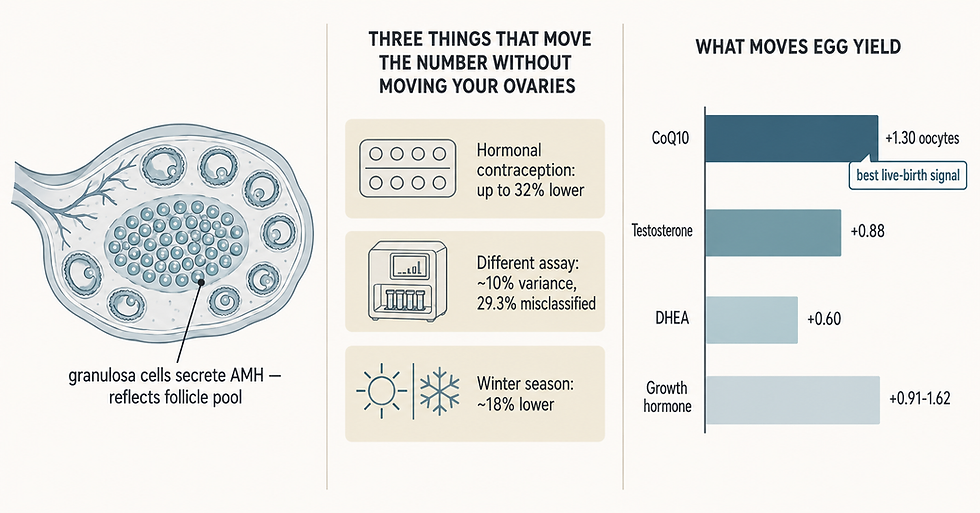
Clinical research demonstrates promising outcomes for improving oocyte competence and reproductive potential. The approach involves carefully calibrated hormonal treatments designed to support optimal follicle development and cellular health.
Key hormonal strategies for egg quality improvement include:
Targeted androgen supplementation
Growth hormone optimization
Dehydroepiandrosterone (DHEA) protocols
Mitochondrial function enhancement
Reducing oxidative cellular damage
Cellular Optimization Mechanism
Hormonal modulation works by creating a more supportive internal environment for egg development. The treatment aims to improve granulosa cell function, reduce cellular stress, and enhance the overall quality of reproductive cells.
Precision hormone therapy represents a sophisticated approach to addressing diminished ovarian reserve and improving fertility potential.
Women with specific reproductive challenges can benefit from personalized hormonal protocols that target individual physiological needs and optimize egg quality through advanced medical interventions.
Pro tip: Consult a reproductive endocrinologist who specializes in personalized hormonal strategies to develop a tailored approach that addresses your unique fertility profile and egg quality concerns.
5. Autologous Mitochondrial Transfer Techniques
Autologous mitochondrial transfer represents a groundbreaking approach to addressing age-related fertility challenges by directly improving egg cellular energy. This innovative technique offers hope for women experiencing diminished ovarian function and reproductive potential.
Advanced cellular research demonstrates potential in enhancing egg quality through targeted mitochondrial interventions. The process involves carefully extracting and transferring a patient’s own healthy mitochondria to optimize reproductive cell performance.
Key aspects of autologous mitochondrial transfer include:
Extracting mitochondria from patient’s own cells
Targeting mitochondrial dysfunction
Improving cellular energy capacity
Enhancing oocyte developmental competence
Potentially increasing fertilization rates
Cellular Regeneration Mechanism
The technique works by introducing high-functioning mitochondria directly into eggs, potentially overcoming age-related energy production limitations. This approach specifically addresses the critical role of mitochondrial health in reproductive cell quality.
Mitochondrial transfer offers a personalized approach to addressing underlying cellular challenges in reproductive aging.
Women with diminished ovarian reserve or persistent fertility challenges may benefit from this sophisticated cellular optimization strategy that goes beyond traditional reproductive treatments.
Pro tip: Discuss your specific mitochondrial health and fertility profile with a reproductive specialist who specializes in advanced cellular therapies to understand whether this innovative approach might be suitable for your unique situation.
6. Laparoscopic Ovarian Rejuvenation Procedures
Laparoscopic ovarian rejuvenation represents a minimally invasive surgical approach designed to restore and potentially enhance ovarian function for women experiencing reproductive challenges. This advanced procedure offers a sophisticated alternative to traditional fertility interventions.
Advanced reproductive techniques provide innovative solutions for women seeking to improve their ovarian health and fertility potential. The laparoscopic approach involves precision surgical techniques that aim to stimulate ovarian tissue regeneration and optimize reproductive function.
Key aspects of laparoscopic ovarian rejuvenation include:
Minimally invasive surgical technique
Targeted ovarian tissue stimulation
Potential restoration of follicular activity
Reduced surgical recovery time
Precision-based cellular intervention
Surgical Intervention Mechanism
The procedure typically involves small incisions and specialized surgical instruments that allow physicians to access and potentially revitalize ovarian tissue. Surgeons use microscopic techniques to create controlled microtrauma that may trigger natural healing and regenerative responses.
Laparoscopic ovarian rejuvenation offers a cutting-edge approach to addressing reproductive challenges with minimal surgical impact.
Patients considering this procedure can expect a sophisticated intervention that focuses on restoring natural ovarian function through advanced medical techniques.
Pro tip: Consult a reproductive surgeon specializing in minimally invasive techniques to determine whether laparoscopic ovarian rejuvenation aligns with your specific fertility goals and medical profile.
7. Growth Factor Infusion Approaches
Growth factor infusion represents a sophisticated regenerative strategy designed to enhance ovarian function and fertility potential. This advanced therapeutic approach harnesses the body’s intrinsic healing mechanisms to potentially restore and optimize reproductive tissue.
Innovative fertility treatment techniques offer promising pathways for women seeking comprehensive reproductive solutions. Growth factor infusion involves strategically introducing specialized proteins that can stimulate cellular regeneration and tissue repair.
Key components of growth factor infusion approaches include:
Targeted cellular stimulation
Enhanced tissue regeneration
Potential improvement of ovarian microenvironment
Activation of dormant reproductive cells
Reduction of age-related cellular decline
Cellular Regeneration Strategy
The technique works by introducing specific growth factors that can communicate with existing cells, potentially triggering repair mechanisms and supporting follicular development. These precision-engineered proteins aim to create a more supportive environment for reproductive tissue.
Growth factor therapies represent a cutting-edge frontier in reproductive medicine, offering hope through advanced cellular interventions.
Patients exploring this approach can benefit from a personalized treatment strategy that addresses individual reproductive challenges through molecular-level interventions.
Pro tip: Consult a reproductive specialist experienced in growth factor therapies to develop a personalized treatment plan tailored to your specific fertility profile and reproductive health goals.
Below is a comprehensive table summarizing the main therapies for ovarian rejuvenation and fertility support as discussed throughout the article.
Therapy | Principles & Methods | Key Benefits |
Platelet-Rich Plasma (PRP) | Extraction and injection of platelet-rich plasma into ovarian tissue. | Potentially reactivates dormant follicles, restores ovarian function, and improves fertility markers. |
Stem Cell Ovarian Rejuvenation | Introduction of mesenchymal stem cells to support ovarian tissue repair and regeneration. | Stimulates growth factors, reduces inflammation, and improves hormonal balance. |
Ozone Therapy | Administration of medical-grade ozone for reproductive tissue enhancement. | Improves oxygenation, microcirculation, and reduces oxidative stress in ovarian tissue. |
Hormonal Modulation | Adjustments of hormonal levels to enhance egg quality and overall ovarian health. | Supports follicular development, mitochondrial function, and hormone stabilization. |
Autologous Mitochondrial Transfer | Transfer of a patient’s own healthy mitochondria into oocytes. | Enhances cellular energy, improves egg quality, and may increase fertilization potential. |
Laparoscopic Ovarian Rejuvenation | Minimally invasive surgical approach to stimulate ovarian tissue regeneration. | Promotes natural healing and follicular activation with reduced recovery time. |
Growth Factor Infusion | Delivery of specialized proteins to stimulate ovarian cell repair and growth. | Enhances tissue regeneration, activates dormant cells, and improves ovarian environment. |
Discover Advanced Ovarian Rejuvenation Solutions Tailored for You
Struggling with diminished ovarian reserve or seeking innovative ways to restore your fertility can be an emotional and challenging journey. This article explores cutting-edge therapies like Platelet-Rich Plasma, Stem Cell Ovarian Rejuvenation, and Hormonal Modulation that offer new hope by targeting the root causes of ovarian aging and dysfunction. If you relate to concerns about egg quality, hormonal imbalance, or reduced ovarian function these advanced approaches could be the personalized solution you need.
At Rejuvenating Fertility Center we specialize in these progressive ovarian rejuvenation techniques combined with comprehensive fertility care. Our expert team led by Dr. Zaher Merhi is committed to crafting individualized treatment plans that address your unique challenges with care and precision. Explore details on our ovarian rejuvenation therapies and see how modern regenerative medicine can improve your reproductive health. Take the first step towards revitalizing your fertility and book a personalized consultation now—because your journey to renewed hope and possibility deserves expert guidance today.
Frequently Asked Questions
What is Platelet-Rich Plasma (PRP) ovarian therapy?
Platelet-Rich Plasma (PRP) ovarian therapy uses a woman’s own concentrated platelets to rejuvenate ovarian tissue and improve fertility. To explore this option, consult a reproductive specialist to assess your individual fertility goals and determine if it’s right for you.
How does stem cell ovarian rejuvenation work?
Stem cell ovarian rejuvenation involves introducing mesenchymal stem cells to stimulate ovarian tissue repair and potentially reverse reproductive aging. Scheduling a consultation with a specialist can help you learn more about whether this approach fits your health profile.
What are the benefits of ozone therapy for ovarian function?
Ozone therapy enhances ovarian function by reducing oxidative stress and improving blood circulation in ovarian tissue. Consider discussing ozone therapy with a reproductive health professional to understand its potential benefits specific to your case.
How can hormonal modulation improve egg quality?
Hormonal modulation optimizes the hormonal environment for egg development, which can lead to better egg quality and fertility outcomes. Work with a reproductive endocrinologist to create a personalized hormonal plan tailored to your needs.
What is involved in laparoscopic ovarian rejuvenation?
Laparoscopic ovarian rejuvenation is a minimally invasive surgical procedure aimed at restoring ovarian function through targeted tissue stimulation. If you’re interested in this procedure, find a specialist trained in minimally invasive techniques to evaluate your suitability.
How does growth factor infusion enhance ovarian function?
Growth factor infusion introduces proteins that can stimulate cellular regeneration in the ovaries, potentially improving reproductive health. Consult with a fertility specialist to determine if this advanced treatment can help address your specific fertility challenges.
Recommended