
7 Types of IVF Procedures Every Woman Over 35 Should Know
- 4 days ago
- 10 min read
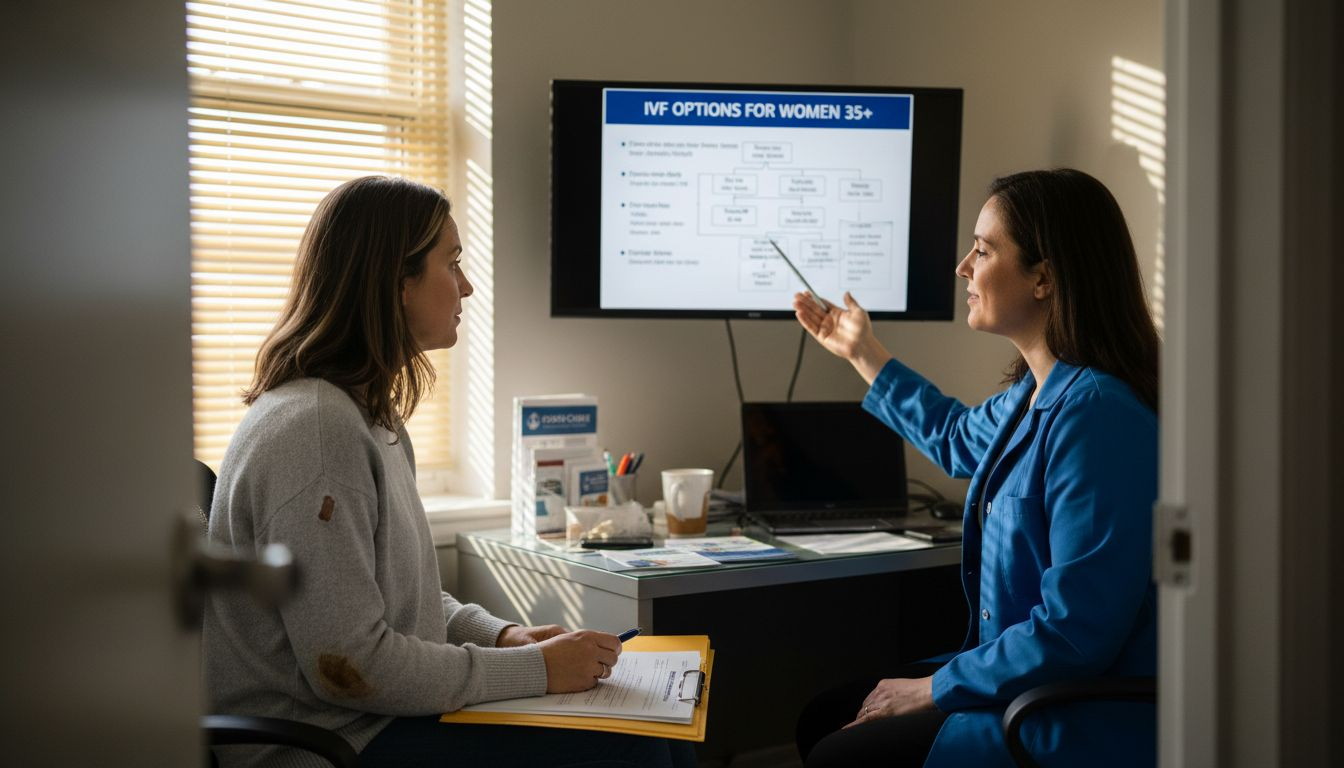
Deciding on the right IVF approach becomes especially important for women over 35 who are thinking about growing their family. As fertility shifts with age, choosing a method that fits your health needs and goals can feel overwhelming. The good news is that assisted reproductive technology now offers more choices and personal options than ever before, each with specific benefits and considerations.
This guide spotlights IVF strategies designed to support women over 35, from traditional treatments to minimally disruptive protocols and the possibilities offered by donor eggs. You’ll gain clear, practical insights to help you understand your options, prepare for what’s ahead, and work with your care team to make confident decisions. Discover the unique features of each IVF method and learn which pathways may align best with your personal journey.
Table of Contents
Quick Summary
Key Message | Explanation |
1. Early Consultation with Specialists | Women over 35 should consult reproductive specialists promptly for tailored advice and assessments. |
2. Explore Mini IVF for Lower Intervention | Mini IVF offers a gentler alternative for women wanting to minimize hormone exposure while attempting to conceive. |
3. Consider Donor Eggs for Improved Success | IVF with donor eggs significantly enhances the chances of pregnancy for women facing age-related fertility challenges. |
4. Personalized Protocols Are Essential | Customized IVF protocols address individual needs and can lead to better outcomes compared to standard approaches. |
5. Utilize Genetic Screening for Healthier Embryos | Genetic screening allows the selection of the healthiest embryos, reducing risks of miscarriage and increasing successful pregnancy rates. |
1. Understanding Traditional IVF and Its Process
Traditional IVF represents the foundational approach to assisted reproductive technology for women struggling with fertility challenges. This comprehensive procedure offers hope for those who have experienced difficulty conceiving naturally, particularly for women over 35 whose reproductive potential may be declining.
In traditional IVF, the process involves several critical stages designed to maximize the chances of successful embryo creation and implantation:
Ovarian Stimulation: Fertility medications are used to encourage multiple egg production
Egg Retrieval: Mature eggs are carefully extracted from the ovaries
Sperm Collection: High-quality sperm is prepared for fertilization
Fertilization: Eggs and sperm are combined in a laboratory setting
Embryo Culture: Fertilized eggs develop into viable embryos
Embryo Transfer: Selected embryos are placed into the uterus
The traditional IVF procedure represents a sophisticated method of addressing infertility by essentially mimicking natural conception outside the body. Success rates depend on multiple factors including age, egg quality, and underlying reproductive health conditions.
Women over 35 should understand that while traditional IVF offers promising outcomes, individual results can vary significantly. Factors like hormonal balance, previous pregnancy history, and overall reproductive health play crucial roles in determining potential success.
Traditional IVF provides a scientifically advanced pathway to parenthood for women facing reproductive challenges.
Important Considerations for Women Over 35:
Consult a reproductive specialist early in the process
Undergo comprehensive fertility assessments
Understand potential age-related limitations
Explore multiple treatment options
Pro tip: Consider comprehensive genetic screening and advanced embryo selection techniques to improve your traditional IVF success rates.
2. Mini IVF for Lower Hormone Stimulation
Mini IVF represents an innovative, gentler approach to fertility treatment designed specifically for women over 35 who want to minimize hormone exposure while pursuing pregnancy. This minimally invasive technique offers a strategic alternative to traditional IVF protocols by utilizing reduced medication and more targeted reproductive interventions.
Key Characteristics of Mini IVF:
Lower hormone medication dosages
Fewer medical interventions
Reduced physical and emotional stress
More cost-effective treatment option
Tailored for women with specific fertility challenges
The minimally disruptive assisted reproductive technology focuses on retrieving a smaller number of high-quality eggs through mild stimulation protocols. This approach significantly decreases medication side effects and potential health risks associated with traditional IVF.
Mini IVF prioritizes quality over quantity in reproductive medicine.
Women over 35 can benefit from Mini IVF by experiencing a more personalized fertility treatment that respects their body’s natural rhythms. The procedure involves carefully monitored hormonal stimulation to produce a smaller cohort of potentially higher-quality eggs.
Ideal Candidates for Mini IVF:
Women with diminished ovarian reserve
Patients sensitive to hormonal medications
Those seeking a less invasive fertility approach
Individuals with previous challenging IVF experiences
Pro tip: Consult with a reproductive specialist to determine whether Mini IVF aligns with your specific fertility goals and medical history.
3. IVF with Donor Eggs: Expanding Possibilities
IVF with donor eggs offers a powerful reproductive solution for women over 35 facing fertility challenges related to egg quality or quantity. This advanced procedure provides a realistic pathway to pregnancy when traditional methods may have limited success.
Key Benefits of Donor Egg IVF:
Dramatically improved pregnancy success rates
Overcome age-related fertility limitations
Access to younger, higher-quality eggs
Reduced genetic risk for chromosomal abnormalities
Expanded reproductive possibilities
Donor egg IVF success rates demonstrate remarkable outcomes for women experiencing diminished ovarian reserve. Large-scale research indicates that for women aged 43 and older, donor eggs become the primary driver of successful pregnancies.
Donor eggs represent a scientifically advanced solution to age-related fertility challenges.
The process involves carefully screening and selecting egg donors with exceptional reproductive health. Potential donors undergo comprehensive medical and genetic evaluations to ensure the highest probability of successful fertilization and pregnancy.
Important Considerations for Donor Egg IVF:
Emotional readiness for using donor eggs
Understanding genetic and legal implications
Financial planning for the procedure
Psychological support throughout the journey
Open communication with medical professionals
Pro tip: Schedule comprehensive genetic counseling to fully understand the potential outcomes and emotional aspects of pursuing donor egg IVF.
4. Natural Cycle IVF for Minimal Intervention
Natural Cycle IVF represents a groundbreaking approach to fertility treatment designed for women seeking a more gentle and minimally invasive reproductive strategy. This procedure allows your body to follow its natural reproductive rhythm with minimal medical intervention.
Key Features of Natural Cycle IVF:
No synthetic hormone stimulation
Follows woman’s natural ovulation cycle
Significantly reduced medication exposure
Lower financial investment
Minimal physical and emotional stress
During Natural Cycle IVF, physicians carefully monitor your single naturally produced egg throughout its development. Instead of using aggressive hormonal stimulation to produce multiple eggs, this method tracks and retrieves the one egg your body generates during a standard menstrual cycle.
Natural Cycle IVF respects your body’s intrinsic reproductive processes.
Ideal Candidates for Natural Cycle IVF:
Women with regular menstrual cycles
Individuals sensitive to fertility medications
Patients seeking a less invasive approach
Those with limited financial resources
Women preferring minimal medical intervention
This procedure requires precise timing and expert monitoring to maximize the potential of your naturally occurring egg. Ultrasound tracking and careful assessment help determine the optimal moment for egg retrieval and potential fertilization.
Potential Limitations to Consider:
Lower probability of successful pregnancy per cycle
Fewer embryos available for selection
Requires exceptional timing and precision
May require multiple attempts
Pro tip: Consult a reproductive specialist to determine whether your individual reproductive health makes you an ideal candidate for Natural Cycle IVF.
5. Genetic Screening IVF for Healthier Embryos
Genetic Screening IVF represents a groundbreaking approach to fertility treatment that empowers women over 35 to select the healthiest possible embryos before implantation. This advanced technique allows for comprehensive chromosomal analysis to reduce potential genetic risks and improve pregnancy outcomes.
Key Benefits of Genetic Screening IVF:
Identifies chromosomal abnormalities
Reduces miscarriage risks
Increases successful pregnancy probability
Provides detailed genetic insights
Allows selection of most viable embryos
Preimplantation genetic testing has revolutionized reproductive medicine by enabling detailed chromosomal analysis before embryo transfer. Next-generation sequencing technologies now allow physicians to examine embryos with unprecedented precision.
Genetic screening transforms fertility treatment from chance to informed choice.
The procedure involves carefully extracting a few cells from early-stage embryos and conducting comprehensive genetic analysis. This allows reproductive specialists to identify potential chromosomal variations that might impact embryo viability or future health.
Critical Screening Considerations:
Detailed genetic counseling beforehand
Understanding potential technical limitations
Discussing emotional implications
Comprehensive medical history review
Professional genetic interpretation
Potential Genetic Insights Discovered:
Chromosomal count abnormalities
Potential inherited condition risks
Gender chromosome configurations
Genetic mutation indicators
Pro tip: Discuss comprehensive genetic screening options thoroughly with your reproductive specialist to understand the full range of insights and potential implications.
6. Frozen Embryo Transfer (FET) Advantages
Frozen Embryo Transfer represents a sophisticated advancement in reproductive technology offering women over 35 unprecedented flexibility and improved pregnancy opportunities. This procedure allows embryos to be carefully preserved and strategically transferred during optimal reproductive conditions.
Key Advantages of Frozen Embryo Transfer:
Extended fertility preservation window
Reduced physiological stress on the body
Greater control over timing of pregnancy
Opportunity for genetic screening
Multiple pregnancy attempt possibilities
Machine learning models have revolutionized predicting FET outcomes by analyzing individual patient characteristics and embryo qualities with remarkable precision. These advanced analytical techniques help reproductive specialists customize treatment protocols.
Frozen Embryo Transfer transforms reproductive potential into a personalized journey.
The FET process involves carefully thawing previously frozen high-quality embryos and strategically transferring them into the uterus during the most favorable hormonal environment. This approach provides significant advantages for women navigating complex fertility landscapes.
Important FET Considerations:
Optimal embryo preservation techniques
Comprehensive hormonal monitoring
Individual treatment customization
Advanced genetic screening options
Psychological support throughout process
Potential Success Factors:
Embryo developmental stage
Maternal age
Previous reproductive history
Underlying health conditions
Genetic embryo quality
Pro tip: Engage in comprehensive genetic counseling and discuss personalized FET strategies that align with your unique reproductive goals and health profile.
7. Personalized IVF Protocols for Unique Needs
Personalized IVF protocols represent a revolutionary approach to fertility treatment, transforming traditional one-size-fits-all methodologies into tailored strategies designed specifically for individual reproductive needs. This innovative approach recognizes that every woman’s fertility journey is unique and requires a nuanced, comprehensive treatment plan.
Core Elements of Personalized IVF Protocols:
Comprehensive genetic assessment
Individual hormonal profiling
Customized medication protocols
Precise ovarian reserve evaluation
Targeted embryo selection strategies
Advanced decision support tools have dramatically enhanced the ability to customize IVF treatments, allowing physicians to optimize follicle-stimulating hormone dosages and improve high-quality embryo yields.
Personalized IVF transforms fertility treatment from standard procedure to individualized science.
Women over 35 benefit substantially from these personalized approaches, which consider multiple factors including genetic predispositions, previous reproductive history, and specific physiological characteristics. The goal is to design a treatment protocol that maximizes success potential while minimizing potential health risks.
Factors Influencing Personalized Protocols:
Ovarian reserve quality
Age-related reproductive challenges
Previous pregnancy experiences
Underlying medical conditions
Genetic screening results
Potential Personalization Strategies:
Modified hormone stimulation levels
Tailored embryo transfer techniques
Precision genetic screening
Individualized timing strategies
Comprehensive supportive care
Pro tip: Request a comprehensive fertility assessment that includes genetic screening and personalized treatment planning to maximize your IVF success potential.
Below is a comprehensive table summarizing the types of IVF procedures discussed in the article along with their key features and considerations.
IVF Procedure | Description | Considerations |
Traditional IVF | Engages hormonal stimulation, egg retrieval, and embryo transfer. | Suitable for women over 35; consult with specialists and explore genetic screening options. |
Mini IVF | Utilizes minimal hormone stimulation and targeted interventions. | Ideal for those seeking lower physical stress and cost; useful for patients sensitive to medication. |
IVF with Donor Eggs | Involves the use of eggs from screened donors with high reproductive quality. | Effective for overcoming age-related challenges and gamete quality issues. |
Natural Cycle IVF | Avoids hormone use and focuses on the body’s natural ovulation rhythm. | Lower medical intervention; requires precise timing and monitoring. |
Genetic Screening IVF | Facilitates embryo selection via chromosomal and genetic analysis. | Reduces risks of miscarriage and identifies most viable embryos. |
Frozen Embryo Transfer (FET) | Transfers cryopreserved embryos during optimal conditions. | Allows flexible timing; improves predictability of success. |
Personalized IVF Protocols | Tailored treatments accounting for individual factors like genetic predispositions. | Maximizes success through customized approaches and supportive care. |
Explore Personalized IVF Solutions Tailored to Women Over 35
Facing fertility challenges after 35 can feel overwhelming as you navigate the many IVF options like Traditional IVF, Mini IVF, or Donor Egg IVF. You want a fertility approach that respects your unique body, reduces stress, and improves your chances of success. Key concerns like hormone sensitivity, diminished ovarian reserve, and the desire for healthier embryos call for innovative and personalized treatment plans.
At Rejuvenating Fertility Center, we understand these challenges deeply. Our advanced reproductive medicine embraces cutting-edge IVF procedures including personalized protocols and genetic screening to help you overcome age-related fertility hurdles. Benefit from tailored hormone balancing, donor egg programs, and supportive care designed specifically for women over 35 seeking compassionate and effective fertility solutions.
Take control of your fertility journey today. Discover how our expert team led by Dr. Zaher Merhi can create a customized IVF strategy just for you. Visit Rejuvenating Fertility Center, learn more about our comprehensive offerings, and schedule your personalized consultation. Your path to parenthood starts with informed choices and expert guidance.
Frequently Asked Questions
What are the different types of IVF procedures for women over 35?
Traditional IVF, Mini IVF, IVF with Donor Eggs, Natural Cycle IVF, Genetic Screening IVF, Frozen Embryo Transfer, and Personalized IVF Protocols are the main types. Each of these procedures offers unique benefits and considerations based on individual health and fertility goals.
How can I determine which IVF procedure is best for me?
Consult with a reproductive specialist to evaluate your specific medical history, egg quality, and personal fertility goals. This tailored assessment will guide you to the most appropriate IVF option based on your circumstances.
What steps should I take before starting the IVF process?
Undergo a comprehensive fertility assessment, including hormonal testing and potential genetic screenings. Also, prepare for a consultation with a reproductive specialist to discuss your history and treatment options thoroughly.
How does age impact the success rates of different IVF procedures?
Age can significantly affect fertility, with women over 35 experiencing declining egg quality and success rates. Understand that certain procedures, like IVF with Donor Eggs, may offer higher success rates for older women due to access to younger, healthier eggs.
What role does genetic screening play in the IVF process?
Genetic screening helps identify chromosomal abnormalities in embryos, reducing the risk of miscarriage and increasing the chances of a successful pregnancy. Discuss with your specialist about incorporating genetic testing into your IVF plan to improve overall outcomes.
Is financial planning important when considering IVF?
Yes, financial planning is crucial as IVF treatments can be costly, and understanding the potential expenses upfront will aid in decision-making. Work with your healthcare provider to get a detailed estimate of all treatment costs involved.
Recommended
Comments