
Fertility Assessment: Your Path to Personalized Care
Updated: Mar 18

Facing questions about fertility as you enter your late thirties or early forties can feel overwhelming and deeply personal. For many women, understanding what a comprehensive fertility assessment entails is the first step toward addressing concerns about diminished ovarian reserve and future family building. By focusing on personalized fertility testing and early evaluation, you empower yourself to make proactive choices, explore a range of treatment options, and take control of your reproductive journey with confidence.
Table of Contents
Key Takeaways
Point | Details |
Importance of Fertility Assessment | Comprehensive assessments offer a holistic view of reproductive health and help identify barriers to conception. |
Key Tests for Women Over 35 | Hormonal, genetic, and imaging tests are crucial for understanding fertility challenges in women over 35. |
Interpreting Test Results | Collaborating with a reproductive specialist is essential for developing personalized fertility strategies based on test outcomes. |
When to Seek Help | Women over 35 should consider professional support after 6-12 months of trying to conceive or when facing reproductive health issues. |
What Fertility Assessment Involves and Why It Matters
Fertility assessment represents a comprehensive medical evaluation designed to understand an individual’s reproductive health and potential challenges. This critical process goes far beyond simple medical testing, offering a holistic view of your reproductive potential and identifying potential barriers to conception.
A comprehensive fertility assessment typically includes multiple key components, each providing unique insights into reproductive capabilities:
Medical History Review: Detailed examination of personal and family reproductive health history
Hormonal Testing: Comprehensive blood work analyzing reproductive hormone levels
Physical Examination: Assessing reproductive organ health and potential structural issues
Genetic Screening: Identifying potential inherited fertility challenges
Understanding the complex arrangement of reproductive characteristics requires specialized medical expertise. These assessments help healthcare professionals develop personalized strategies for addressing potential fertility barriers.
Physical examinations form a critical part of fertility assessments, involving detailed evaluations of sexual development, hormonal influences, and reproductive maturity. Physicians utilize precise diagnostic tools and techniques to map your unique reproductive landscape, considering factors like age, overall health, and specific physiological markers.
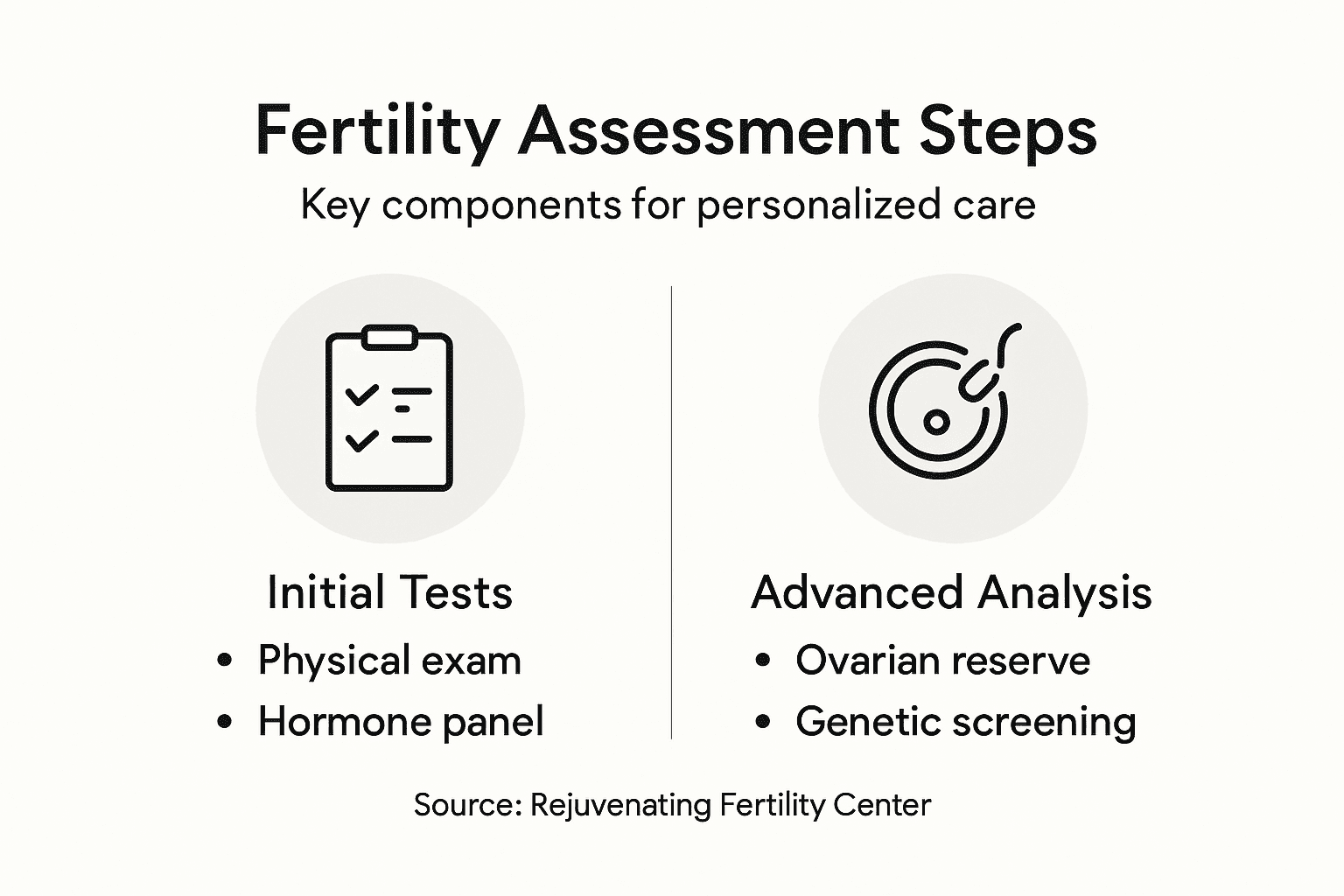
Women over 35 face unique fertility considerations, making comprehensive assessments even more crucial. These evaluations can reveal potential challenges early, allowing for proactive intervention and personalized treatment planning. By understanding your reproductive health thoroughly, you can make informed decisions about family planning and explore various fertility preservation or enhancement options.
Key diagnostic tests during fertility assessments may include:
Anti-Müllerian Hormone (AMH) testing
Follicle-stimulating hormone (FSH) evaluation
Transvaginal ultrasound
Genetic carrier screening
Pro Tip: Schedule your initial fertility assessment well before actively trying to conceive, giving yourself ample time to address any potential reproductive health concerns.
Types of Fertility Tests for Women Over 35
Women over 35 face unique reproductive challenges that require comprehensive and specialized fertility testing. As female fertility naturally declines with age, precise fertility diagnostic approaches become increasingly critical for understanding reproductive potential and developing personalized treatment strategies.
Key fertility tests for women over 35 typically encompass a comprehensive range of diagnostic assessments:
Hormonal Blood Tests: Evaluating reproductive hormone levels
Anti-Müllerian Hormone (AMH)
Follicle-Stimulating Hormone (FSH)
Estradiol levels
Imaging Studies: Reproductive system visualization
Transvaginal ultrasound
Hysterosalpingogram (HSG)
Genetic Screenings: Identifying potential inherited challenges
Ovulation Tracking: Assessing reproductive cycle functionality
Hormonal testing plays a crucial role in understanding ovarian reserve and reproductive potential. Blood tests measuring AMH, FSH, and estradiol provide detailed insights into egg quantity and quality, helping physicians develop targeted fertility interventions.
Advanced diagnostic techniques allow healthcare professionals to identify potential reproductive challenges early. Ultrasound examinations can reveal structural issues in the ovaries and uterus, while specialized tests like the hysterosalpingogram help evaluate fallopian tube patency and potential blockages.
Key diagnostic considerations for women over 35 include:
Comprehensive hormonal panel assessment
Detailed reproductive anatomy evaluation
Ovarian reserve calculation
Potential condition screening (endometriosis, PCOS)
Women over 35 should prioritize early and comprehensive fertility assessments to maximize reproductive opportunities and develop proactive treatment strategies.
Pro Tip: Schedule a comprehensive fertility assessment with a reproductive specialist who specializes in age-related fertility challenges to receive the most accurate and personalized diagnostic insights.
How Ovarian Reserve and Hormones Are Evaluated
Understanding ovarian reserve requires a comprehensive approach to hormone evaluation techniques that provide insights into reproductive potential. For women over 35, these diagnostic assessments become increasingly critical in mapping fertility possibilities and potential challenges.
Key hormones evaluated during fertility assessment include:
Follicle Stimulating Hormone (FSH): Indicates ovarian function and egg production potential
Anti-Müllerian Hormone (AMH): Reflects remaining egg quantity
Luteinizing Hormone (LH): Monitors ovulation processes
Estradiol: Assesses reproductive system health
Progesterone: Confirms ovulation occurrence
Hormonal testing provides a nuanced understanding of reproductive health by measuring specific markers that indicate ovarian reserve and potential fertility challenges. Day 3 hormone measurements are particularly important, with elevated FSH levels potentially signaling reduced ovarian function and diminished egg quality.
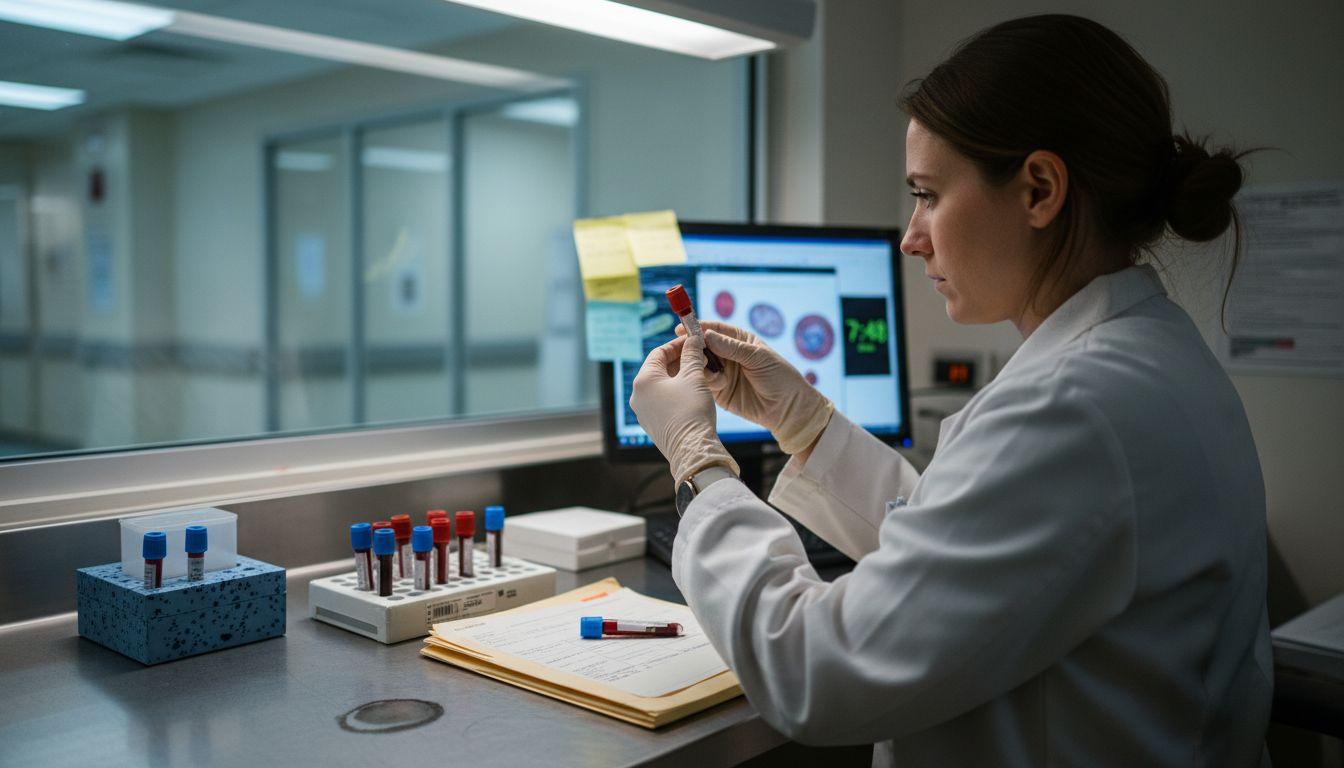
Beyond reproductive hormones, comprehensive assessments also examine related endocrine factors that might impact fertility. Thyroid and prolactin levels are crucial additional markers that can reveal underlying conditions preventing successful conception. These interconnected hormone profiles help physicians develop targeted treatment strategies tailored to individual reproductive needs.
Here’s a quick overview of key fertility hormones and what their results can indicate:
Hormone | Indicates | Potential Concern if Abnormal |
FSH (Follicle-Stimulating Hormone) | Ovarian function | Diminished ovarian reserve |
AMH (Anti-Müllerian Hormone) | Egg quantity | Low ovarian reserve |
Estradiol | Egg quality and ovulation | Hormone imbalance |
LH (Luteinizing Hormone) | Ovulation timing | Ovulatory dysfunction |
Progesterone | Ovulation confirmation | Issues with luteal phase |
Thyroid hormones | Endocrine health | Can impact cycle regularity |
Prolactin | Pituitary function | May suppress ovulation |
Important diagnostic considerations for hormone evaluation include:
Precise timing of hormone testing
Comprehensive panel assessment
Correlation of multiple hormonal markers
Interpretation of results in age-specific context
Accurate hormone evaluation provides a roadmap for understanding reproductive potential and developing personalized fertility interventions.
Pro Tip: Request a comprehensive hormone panel that includes multiple reproductive markers to obtain the most accurate assessment of your fertility potential.
Understanding and Using Your Test Results
Navigating fertility test results can be complex and emotionally challenging, especially for women over 35 who are exploring their reproductive potential. Interpreting these results requires a careful, nuanced approach that goes beyond simple numerical values, focusing on understanding the comprehensive picture of your reproductive health.
Key aspects to consider when reviewing fertility test results include:
Hormonal Context: Understanding how individual hormone levels interact
Age-Related Benchmarks: Comparing results against age-specific standards
Comprehensive Interpretation: Looking beyond isolated measurements
Potential Treatment Implications: Identifying possible intervention strategies
Future Fertility Planning: Developing personalized reproductive roadmaps
Each fertility test result provides a unique piece of information about your reproductive potential. Elevated FSH levels, for instance, might indicate diminished ovarian reserve, while low AMH could suggest fewer remaining eggs. However, these individual markers should never be viewed in isolation but rather as part of a complex, interconnected reproductive profile.
Working closely with a reproductive specialist is crucial for translating test results into actionable insights. They can help you understand the nuanced implications of your specific hormone levels, genetic markers, and reproductive health indicators. This collaborative approach ensures that you receive personalized guidance tailored to your unique fertility journey.
Important steps in processing fertility test results:
Request a detailed explanation from your healthcare provider
Ask about the specific meaning of each test result
Discuss potential treatment or intervention options
Develop a personalized fertility strategy
Consider follow-up testing and monitoring
Fertility test results are not a definitive endpoint, but a starting point for understanding and potentially enhancing your reproductive potential.
Pro Tip: Bring a notebook or digital device to your results consultation to take detailed notes and ensure you fully understand the comprehensive interpretation of your fertility assessment.
When to Seek Support or Explore Treatment Options
Understanding when to seek fertility support is crucial for women over 35, as fertility timeline considerations become increasingly important with age. Recognizing the right moment to consult a reproductive specialist can significantly impact your chances of successful conception and overall reproductive health.
Critical indicators suggesting the need for professional fertility support include:
Time-Based Criteria: No conception after 6-12 months of trying
Age-Related Concerns: Women over 35 experiencing fertility challenges
Reproductive Health Issues:
Irregular menstrual cycles
Multiple miscarriages
Known hormonal imbalances
Medical History Factors:
Endometriosis
Polycystic Ovary Syndrome (PCOS)
Previous reproductive surgeries
Fertility specialists offer comprehensive evaluations that go beyond simple diagnostic tests. They provide personalized treatment strategies tailored to individual reproductive challenges, considering factors like age, overall health, and specific physiological characteristics. These assessments help identify potential barriers to conception and develop targeted intervention approaches.
Treatment options range from minimally invasive interventions to advanced reproductive technologies. Potential approaches might include hormonal medications, intrauterine insemination (IUI), in vitro fertilization (IVF), or specialized surgical procedures designed to address specific reproductive challenges.
Compare common fertility treatment approaches based on complexity and typical purpose:
Treatment Option | Typical Purpose | Intervention Level |
Medications (Clomid, letrozole) | Stimulate ovulation | Least invasive |
Intrauterine Insemination (IUI) | Bypass cervical barriers | Minimally invasive |
In Vitro Fertilization (IVF) | Overcome multiple factors | Most advanced |
Surgical procedures | Correct structural issues | Varies by case |
Egg/sperm donation | Address severe infertility | Highly specialized |
Key steps in exploring fertility treatment options:
Schedule a comprehensive initial consultation
Complete detailed diagnostic testing
Review personalized treatment recommendations
Discuss emotional and financial considerations
Develop a strategic fertility plan
Early intervention and professional support can dramatically improve reproductive outcomes for women facing fertility challenges.
Pro Tip: Gather comprehensive medical records and create a detailed reproductive health history before your first fertility specialist consultation to ensure the most thorough assessment possible.
Take Control of Your Fertility Journey Today
If you are facing challenges understanding your reproductive health or navigating complex fertility assessments, you are not alone. Many women over 35 experience concerns like diminished ovarian reserve or hormonal imbalances that require personalized, expert care. This article highlighted the importance of detailed hormone evaluation and comprehensive fertility testing to create a clear roadmap toward conception.
At Rejuvenating Fertility Center, we specialize in advanced reproductive medicine tailored to your unique fertility profile. Our expert team, led by Dr. Zaher Merhi, offers cutting-edge treatments such as IVF, ovarian rejuvenation, and regenerative therapies to address the specific challenges discussed here. Don’t wait to take a proactive step — explore how our personalized fertility solutions can empower your journey by visiting our comprehensive digital platform.
Start your personalized care now. Book a consultation and gain clarity on your fertility potential with a team dedicated to helping you succeed.
Frequently Asked Questions
What does a fertility assessment involve?
A fertility assessment typically includes a review of medical history, hormonal testing, physical examinations, genetic screening, and imaging studies to evaluate reproductive health and identify potential challenges.
Why is a fertility assessment especially important for women over 35?
Women over 35 face unique reproductive challenges as fertility naturally declines with age. A comprehensive assessment can help identify potential issues early, allowing for proactive intervention and personalized treatment strategies.
How are ovarian reserve and hormones evaluated during a fertility assessment?
Hormonal evaluations assess key hormones like FSH, AMH, LH, estradiol, and progesterone to determine ovarian function, egg quantity, and overall reproductive health. These tests provide important insights into an individual’s fertility potential.
When should I seek fertility support or treatment options?
You should seek fertility support if you have been trying to conceive for 6-12 months without success, especially if you are over 35, have irregular menstrual cycles, multiple miscarriages, or known reproductive health issues.
Recommended

