How to Prepare for IVF: Achieve Natural Success Step by Step
Updated: Mar 18

Starting IVF can feel daunting, especially for women over 35 dealing with diminished ovarian reserve or concerns about egg quality. Each person’s fertility story is unique, and a thorough, personalized assessment forms the foundation for successful treatment. By understanding the importance of a tailored plan and comprehensive preparation, you’ll discover how purposeful steps can boost your confidence and set the stage for your best IVF outcome. Personalized fertility solutions matter most when your journey is personal.
Table of Contents
Step 1: Consult With A Fertility Specialist For Personalized Assessment
Step 2: Optimize Your Diet And Lifestyle To Enhance Fertility Naturally
Step 3: Complete Recommended Medical Testing And Address Health Concerns
Step 4: Implement Hormonal Balancing And Targeted Wellness Routines
Step 5: Verify Readiness With Final Checkups Before Starting IVF Cycle
Quick Summary
Key Point | Explanation |
1. Personalized assessment is essential | Consult a fertility specialist for a tailored treatment strategy addressing specific reproductive health needs and challenges. |
2. Optimize diet and lifestyle for fertility | Implement dietary adjustments and lifestyle choices to enhance hormonal balance and improve reproductive function before IVF. |
3. Complete thorough medical testing | Undergo comprehensive medical evaluations to identify health risks that may affect fertility and IVF success. |
4. Hormonal balancing is crucial | Focus on hormonal optimization through nutrition, stress management, and lifestyle changes to prepare for IVF. |
5. Final checkups ensure IVF readiness | Conduct last assessments to verify medical readiness and confirm you are set for the upcoming IVF cycle. |
Step 1: Consult with a fertility specialist for personalized assessment
Initiating your IVF journey requires a comprehensive consultation with a fertility specialist who can develop a tailored treatment strategy specific to your reproductive health needs. This critical first step provides a roadmap for understanding your unique fertility landscape and potential challenges.
During your initial consultation, the fertility specialist will conduct a thorough fertility workup and medical assessment. Expect a detailed evaluation that includes:
Comprehensive review of your medical history
Discussion of previous reproductive experiences
Physical examination focused on reproductive anatomy
Comprehensive hormone level testing
Detailed imaging of reproductive organs
Genetic screening if recommended
The goal of this initial consultation is to create a personalized treatment plan that addresses your specific fertility challenges. Your specialist will review test results, discuss potential treatment options, and help you understand the probability of successful IVF outcomes based on your individual health profile.
A personalized assessment is the foundation of a successful fertility treatment strategy.
Key actions during your consultation include preparing a complete medical history, bringing relevant medical records, and being prepared to discuss your fertility goals candidly. Your specialist will use this information to design a precise intervention strategy.
Pro tip: Prepare a comprehensive list of questions and concerns before your initial consultation to ensure you cover all important aspects of your fertility journey.
Step 2: Optimize your diet and lifestyle to enhance fertility naturally
Successfully preparing for IVF involves creating an optimal environment for reproductive health through strategic dietary and lifestyle modifications. Your goal is to enhance your body’s fertility potential by making intentional choices that support hormonal balance and reproductive function.
Focus on comprehensive nutrition that supports fertility by incorporating lifestyle factors that boost reproductive health. Your dietary and lifestyle strategy should include:
Consuming a balanced diet rich in whole foods
Maintaining a healthy body weight
Limiting caffeine and alcohol intake
Incorporating moderate exercise
Managing stress through relaxation techniques
Avoiding environmental toxins
Nutritional considerations are particularly critical. Aim for a diet that includes lean proteins, complex carbohydrates, healthy fats, and abundant fruits and vegetables. Specific fertility-boosting foods include:
Dark leafy greens
Whole grains
Fatty fish rich in omega-3s
Nuts and seeds
Lean proteins like chicken and legumes
Balanced nutrition and lifestyle modifications can significantly improve your reproductive potential and IVF success rates.
It’s essential to understand that weight management directly impacts fertility and can influence your IVF outcomes. Both being overweight and underweight can complicate conception, so achieving a stable, healthy weight is crucial.

Pro tip: Consider working with a nutritionist specializing in fertility to develop a personalized dietary plan tailored to your specific reproductive health needs.
Step 3: Complete recommended medical testing and address health concerns
Before embarking on your IVF journey, comprehensive medical testing is crucial to ensure your reproductive health and optimize your chances of success. This step involves a detailed diagnostic process that will help your fertility specialist develop a personalized treatment strategy.
Your medical evaluation will include comprehensive screening for fertility and health risks. The key medical tests you can expect are:
Infectious disease screening
HIV test
Hepatitis B and C tests
Syphilis screening
Reproductive health assessments
Hormone level testing
Genetic carrier screening
Semen analysis
Diagnostic imaging
Transvaginal ultrasound
Hysterosalpingogram (HSG)
Uterine cavity evaluation
Thorough medical testing is the foundation of a successful and safe IVF journey.
Genetic carrier screening is particularly important, as it helps identify potential inherited conditions like cystic fibrosis or fragile X syndrome that could impact your pregnancy. Key genetic tests include checking both partners for carrier status of specific genetic mutations.
Additionally, your medical team will assess overall health factors that might influence fertility, such as thyroid function, autoimmune conditions, and metabolic health. This comprehensive approach ensures that any underlying health concerns are identified and addressed before proceeding with IVF.
Compare common medical tests performed before IVF and their purpose:
Test Type | Example | Purpose |
Infectious Disease | HIV, hepatitis screening | Prevent transmission, ensure safety |
Reproductive Health | Semen analysis, hormone tests | Assess fertility status |
Genetic Screening | Carrier status for mutations | Identify inherited risks |
Diagnostic Imaging | Ultrasound, HSG | Examine reproductive anatomy |
Pro tip: Request copies of all your medical test results and maintain a personal health file to stay informed and engaged throughout your fertility treatment.
Step 4: Implement hormonal balancing and targeted wellness routines
Optimizing your hormonal balance is a critical preparation strategy for successful IVF, requiring a comprehensive and personalized approach to reproductive health. Your goal is to create an internal environment that maximizes fertility potential and supports optimal reproductive function.
Your wellness strategy should focus on targeted approaches to hormonal restoration. Key components of hormonal balancing include:
Nutrition strategies
Consuming hormone-balancing foods
Eliminating endocrine disruptors
Managing blood sugar levels
Stress management techniques
Regular meditation
Yoga and mindfulness practices
Adequate sleep hygiene
Lifestyle modifications
Regular moderate exercise
Minimizing environmental toxin exposure
Maintaining healthy body weight
Hormonal harmony is the cornerstone of reproductive wellness and IVF success.
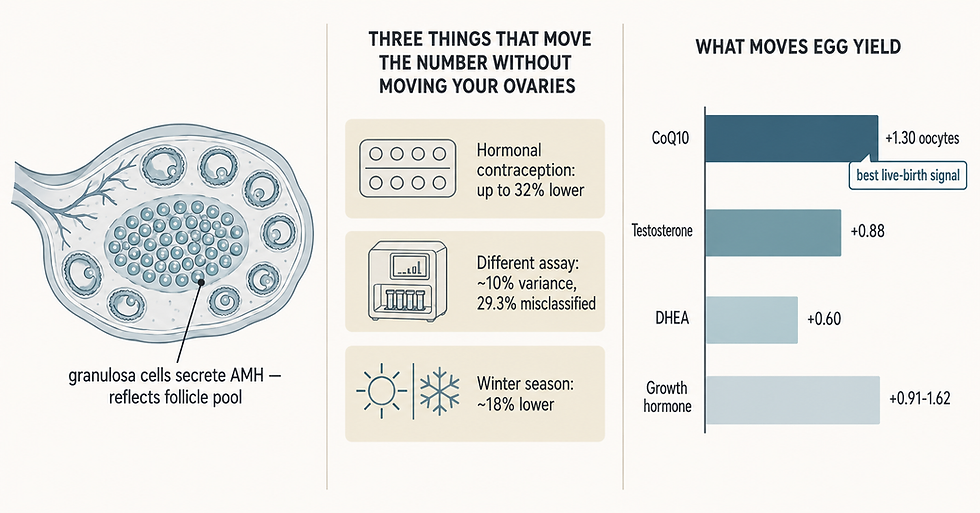
Prior to IVF stimulation, your fertility specialist might recommend hormonal pre-treatment using contraceptives to regulate menstrual cycles and prepare your ovaries. Hormonal protocols can synchronize oocyte development and enhance follicular recruitment, significantly improving treatment outcomes.
Consistent tracking of hormonal markers through blood tests, understanding your unique hormonal profile, and implementing targeted interventions will help optimize your reproductive potential. Each wellness routine should be tailored to your specific physiological needs and fertility goals.
Pro tip: Consider working with an integrative fertility specialist who can provide comprehensive hormone testing and develop a personalized wellness plan synchronized with your IVF treatment timeline.
Step 5: Verify readiness with final checkups before starting IVF cycle
The final preparatory stage of your IVF journey involves comprehensive medical evaluations to confirm your body is optimally positioned for successful treatment. This critical checkpoint ensures everything is aligned for your upcoming reproductive intervention.
Your medical team will conduct comprehensive pre-treatment readiness assessments to evaluate your reproductive health. These final checkups typically include:
Diagnostic imaging studies
Transvaginal ultrasound
Ovarian structure evaluation
Uterine lining assessment
Blood work panels
Hormone level verification
Infectious disease screening
Metabolic health indicators
Physical examinations
Reproductive organ inspection
Overall health status review
Medication tolerance assessment
Your medical readiness determines the foundation of potential IVF success.
During these final checkups, your fertility specialist will carefully review your treatment calendar and provide detailed instructions about upcoming medication protocols. Key preparation actions include confirming injection techniques, understanding monitoring schedules, and addressing any remaining medical concerns before initiating ovarian stimulation.
Prior to beginning your IVF cycle, expect a comprehensive consultation where your medical team will discuss potential adjustments, answer final questions, and ensure you feel confident and prepared for the next phase of your fertility journey.
Here’s a summary of how five key preparatory steps contribute to IVF success:
Step | Primary Focus | Key Benefit | Expert Support |
Consultation | Personalized assessment | Identifies specific fertility needs | Fertility specialist |
Diet & Lifestyle | Nutritional & lifestyle changes | Boosts reproductive function | Nutritionist involvement |
Medical Testing | Comprehensive screening | Detects health risks & obstacles | Specialist-led evaluation |
Hormonal Balancing | Hormone optimization | Prepares body for IVF cycle | Integrative medicine advice |
Final Checkups | Medical readiness review | Confirms suitability for IVF | Medical team guidance |
Pro tip: Bring a comprehensive list of questions and a notepad to your final checkup to ensure you capture all critical information and feel fully prepared.
Take Control of Your IVF Journey with Expert Support at Rejuvenating Fertility Center
Preparing for IVF involves overcoming challenges like hormonal imbalance, medical uncertainties, and lifestyle adjustments to optimize your fertility potential. This article highlights crucial steps such as personalized medical testing, dietary improvements, and final readiness checkups designed to maximize your chances of natural success through IVF. If you feel overwhelmed by these complex steps or want a tailored plan built around your unique fertility needs, expert guidance is essential.
At Rejuvenating Fertility Center, we specialize in advanced reproductive medicine that aligns perfectly with your IVF preparation goals. From comprehensive hormonal balancing and regenerative therapies to personalized IVF protocols, our experienced team led by Dr. Zaher Merhi provides supportive, innovative care designed for patients facing reproductive aging or diminished ovarian reserve. Ready to move forward with confidence? Discover how our cutting-edge treatments and dedicated wellness programs can make your IVF journey smoother by visiting our main website and scheduling your detailed consultation today.
Frequently Asked Questions
How can I prepare for my initial consultation with a fertility specialist?
To prepare for your initial consultation, compile a comprehensive medical history that includes details about previous reproductive experiences, any relevant medical records, and a list of your fertility goals. Bringing this information will help your specialist design a personalized treatment strategy tailored to your specific needs.
What dietary changes should I consider to enhance my fertility before IVF?
To enhance your fertility, focus on consuming a balanced diet rich in whole foods, including dark leafy greens, whole grains, and lean proteins. Aim to eliminate processed foods and minimize caffeine and alcohol intake as much as possible to create a more supportive environment for reproduction.
What medical tests are typically required before starting an IVF cycle?
Before beginning an IVF cycle, expect to undergo a series of medical tests, including hormone level assessments, infectious disease screenings, and diagnostic imaging like ultrasounds. Completing these tests will help identify any health risks and ensure your body is ready for IVF treatment.
How can I effectively manage stress while preparing for IVF?
To effectively manage stress, try incorporating relaxation techniques such as meditation, yoga, or deep-breathing exercises into your daily routine. Setting aside at least 15–30 minutes each day for these practices can significantly improve your mental well-being during the IVF process.
Why is hormonal balancing important in preparing for IVF?
Hormonal balancing is crucial because it helps create an optimal environment for reproduction, impacting the success of your IVF treatment. Start by focusing on hormone-balancing foods and regular exercise to support hormonal health, aiming to implement these changes consistently.
What should I expect during the final checkups before starting IVF?
During your final checkups before IVF, your fertility specialist will conduct thorough evaluations, including ultrasound exams and blood work to confirm your readiness for treatment. Prepare to discuss any final questions and ensure you fully understand the upcoming medication protocols and monitoring schedules.
Recommended