How to start fertility treatments after 35 with confidence
Updated: Mar 18

Starting fertility treatments after 35 can feel overwhelming. You face endless medical terms, conflicting advice, and decisions that seem urgent yet confusing. This guide breaks down exactly what you need to know, from initial testing through treatment selection and success expectations. You’ll gain clarity on preparation steps, understand which treatments match your situation, and learn how to avoid common mistakes that delay success.
Table of Contents
Key takeaways
Point | Details |
Comprehensive testing is essential | Ovarian reserve (AMH, AFC), hormonal profiles, and uterine assessments guide personalized treatment plans. |
Age and reserve dictate treatment choice | IVF suits diminished reserve; IUI works with adequate reserve; donor eggs offer highest success rates. |
Specialist monitoring prevents complications | Early detection and management of risks like OHSS ensures safer treatment cycles. |
Avoid incomplete diagnostics | Skipping thorough workups leads to inappropriate treatment selection and wasted time. |
Realistic expectations drive success | Success rates vary widely by age, reserve, and treatment type; understanding benchmarks prevents disappointment. |
Pre-treatment fertility assessment and prerequisites
Before you start any fertility treatment, thorough evaluation gives you and your doctor the blueprint for success. Testing reveals your current reproductive potential and identifies any hidden barriers that could sabotage treatment outcomes.
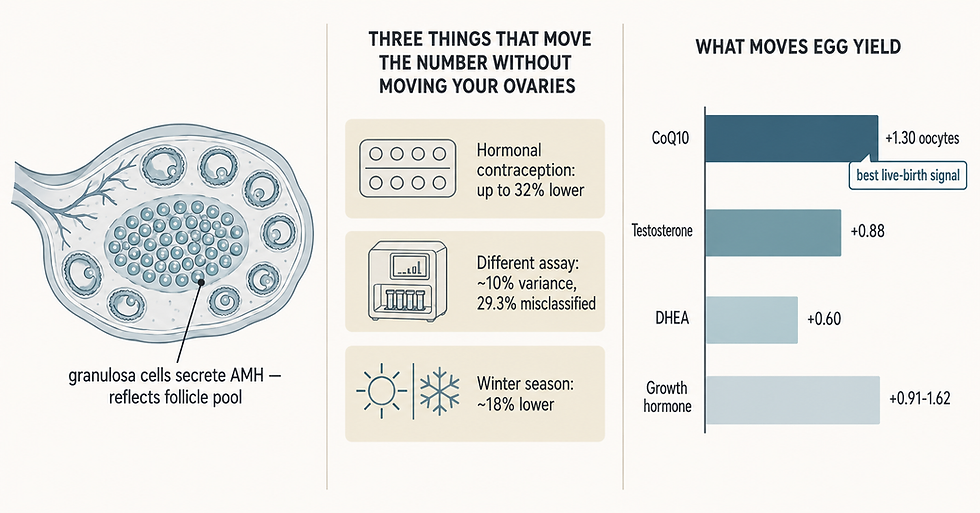
Ovarian reserve testing measures how many eggs remain in your ovaries and their quality potential. Anti-Müllerian hormone (AMH) blood tests and transvaginal ultrasound antral follicle counts (AFC) provide this critical baseline. Lower numbers signal diminished reserve, steering you toward more aggressive treatments or donor options from the start.
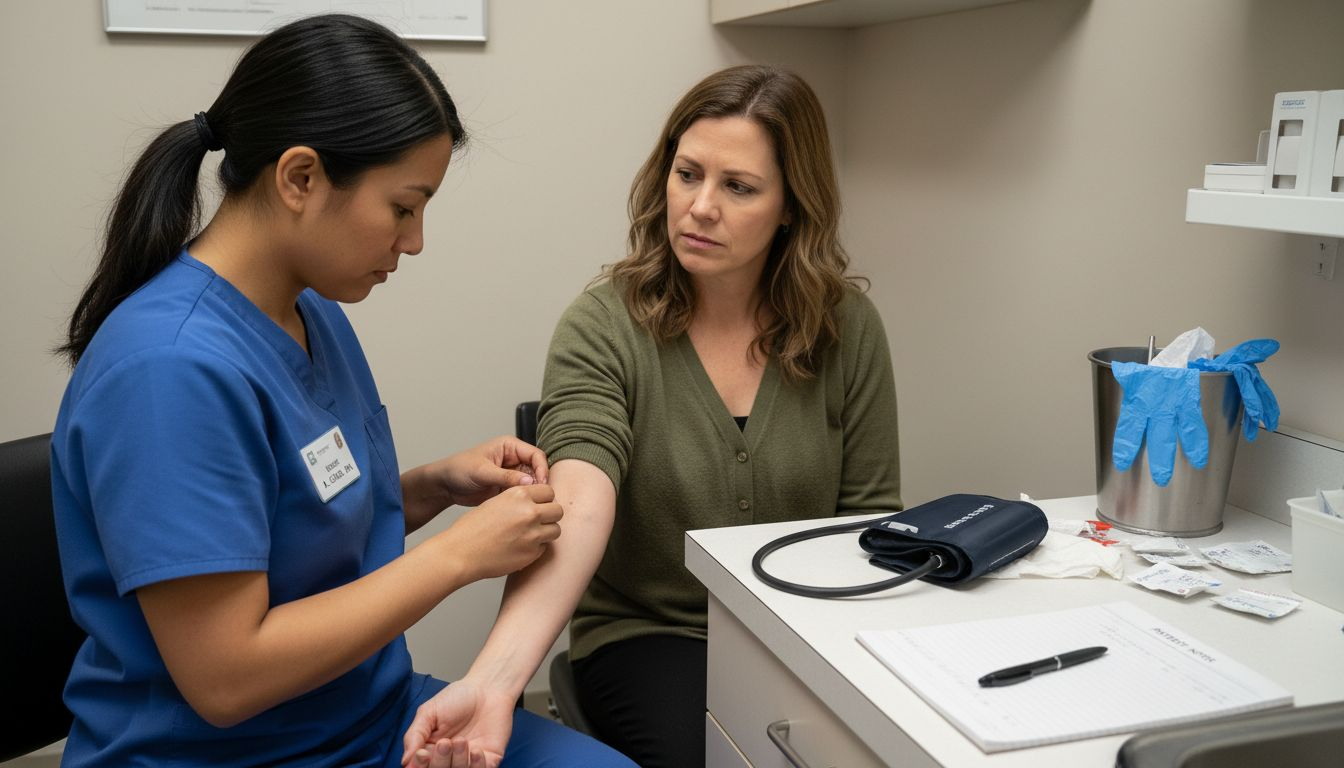
Hormonal profiling goes beyond ovarian reserve. Day 3 FSH and estradiol levels assess how hard your body works to mature eggs each cycle. Elevated FSH suggests your ovaries struggle to respond, reducing success with less intensive treatments. Thyroid function and prolactin levels also matter since imbalances directly impair conception and pregnancy maintenance.
For women with recurrent pregnancy loss, additional immunology and uterine anatomy tests become non-negotiable. Hysteroscopy or saline sonography detect fibroids, polyps, or uterine scarring that prevent embryo implantation. Thrombophilia panels and autoimmune markers identify clotting disorders or immune issues requiring specialized protocols.
Lifestyle modifications significantly boost treatment success. Smoking cessation improves IVF success rates by 15-25%, making it one of the most impactful changes you can make. Achieving a healthy BMI, managing stress, and optimizing nutrition for fertility support create the best environment for treatment response.
Financial preparation prevents stressful surprises. IVF cycles average $12,000 to $15,000, excluding medications that add $3,000 to $5,000. Insurance coverage varies dramatically by state and plan. Research your benefits, explore financing options, and budget for multiple cycles since success rarely happens on the first attempt.
Key pre-treatment steps include:
Complete ovarian reserve testing (AMH, AFC) within 3 months of starting treatment
Obtain full hormonal panel including FSH, estradiol, thyroid, and prolactin
Undergo uterine assessment via HSG or saline sonography
Address lifestyle factors like smoking, BMI, and chronic stress
Verify insurance coverage and establish clear financial budget
Consult reproductive endocrinologist to interpret results and recommend treatment
Pro Tip: Schedule your initial fertility workup during day 2 to 4 of your menstrual cycle for the most accurate hormonal readings.
Choosing the right fertility treatment approach
Your diagnostic results determine which treatment gives you the best chance at success without wasting time or money on ineffective options. Treatment selection isn’t one size fits all; it matches your specific ovarian reserve, age, and reproductive history.
Intrauterine insemination (IUI) works best when you have adequate ovarian reserve, open fallopian tubes, and a male partner with normal sperm parameters. Success rates average 10 to 15% per cycle for women over 35 with normal reserve. IUI costs less ($500 to $1,500 per cycle) and feels less invasive, making it a reasonable starting point if your diagnostics support it.
In vitro fertilization (IVF) becomes the preferred option with diminished ovarian reserve or when IUI fails after three to four cycles. IVF for women 35 and over uses controlled ovarian stimulation to retrieve multiple eggs, increasing chances of creating viable embryos. Preimplantation genetic testing screens embryos for chromosomal abnormalities common at advanced maternal age, improving live birth rates.
Donor eggs offer the highest success rates when severe diminished ovarian reserve or repeated IVF failures exhaust own-egg options. Live birth rates with donor eggs reach 50 to 60% per cycle regardless of recipient age, since egg quality drives success more than uterine age. This option requires emotional processing but provides realistic hope when other paths close.
Emerging ovarian rejuvenation therapies like platelet-rich plasma (PRP) show promise but remain experimental with limited large-scale outcomes data. Some centers offer these as adjunct treatments to standard IVF, targeting improved ovarian response in poor responders. Discuss thoroughly with your specialist since protocols and evidence vary widely.
Treatment | Best Candidates | Average Success Rate (35+) | Cost Range |
IUI | Normal reserve, open tubes | 10-15% per cycle | $500-$1,500 |
IVF with own eggs | Diminished reserve, failed IUI | 15-25% per cycle | $12,000-$18,000 |
IVF with donor eggs | Severe diminished reserve | 50-60% per cycle | $25,000-$35,000 |
Ovarian rejuvenation + IVF | Poor responders, experimental | Unknown/Variable | $15,000-$22,000 |
Treatment sequencing typically progresses from least to most invasive based on ongoing results. You might start with IUI for two to three cycles if diagnostics support it, then move to IVF if unsuccessful. Some women skip directly to IVF when age and reserve indicate minimal IUI benefit. Your reproductive endocrinologist customizes this sequence to your unique profile.
Consider these factors when selecting treatment:
Current ovarian reserve markers (AMH below 1.0 typically favors IVF)
Previous pregnancy history (recurrent loss may require specialized protocols)
Partner sperm quality (severe male factor necessitates ICSI with IVF)
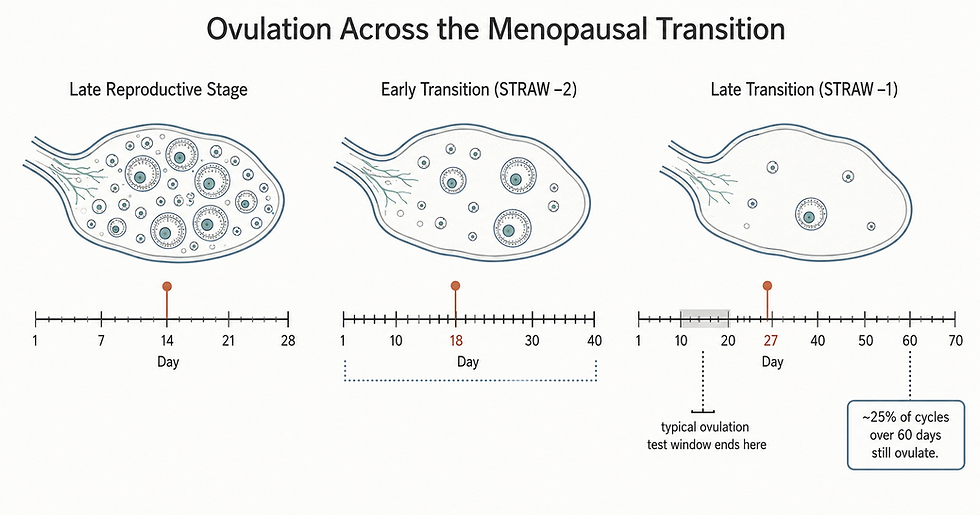
Timeline urgency (age-related decline accelerates after 37)
Financial resources and insurance coverage limits
Emotional readiness for each treatment’s demands
Pro Tip: Ask your doctor to explain success rates specific to your age and reserve levels, not just clinic averages that include younger patients with better prognoses.
Managing risks and safety during fertility treatments
Fertility treatments carry real risks that proper monitoring and protocols minimize. Understanding potential complications helps you recognize warning signs early and maintain safety throughout your treatment journey.
Ovarian hyperstimulation syndrome (OHSS) ranks as the most serious complication from injectable fertility medications. Symptoms range from mild bloating and nausea to severe fluid accumulation requiring hospitalization. Women over 35 with polycystic ovaries face higher OHSS risk. Your doctor monitors estradiol levels and follicle counts during stimulation, adjusting medication doses to prevent dangerous overstimulation.
Multiple pregnancy risk increases with fertility treatments, especially IUI with injectable medications and IVF with multiple embryo transfers. Twins and triplets carry significantly higher rates of preterm birth, low birth weight, and maternal complications. Elective single embryo transfer (eSET) during IVF virtually eliminates multiple pregnancy risk while maintaining strong success rates when good quality embryos exist.
Treatment delays reduce effectiveness, particularly as you approach 38 and beyond. Each month of delay at advanced reproductive age translates to measurable decline in egg quality and quantity. If initial testing reveals concerning reserve markers, starting treatment promptly preserves your best chances rather than waiting months trying unproven interventions.
Specialist monitoring throughout cycles ensures real-time adjustments prevent complications:
Frequent ultrasounds track follicle development and endometrial thickness
Serial blood tests measure hormone responses to medication
Early pregnancy ultrasounds confirm viable intrauterine pregnancy
Post-retrieval assessments detect fluid accumulation or infection signs
Lifestyle factors influence treatment safety and outcomes. Continuing high-intensity exercise during IVF stimulation increases ovarian torsion risk. Alcohol consumption impairs embryo development and implantation. Your clinic provides specific activity and dietary guidelines for each treatment phase.
“Proper monitoring and patient education transform fertility treatment from risky to manageable. Women who understand warning signs and follow protocols experience significantly better safety profiles.” – Reproductive Medicine Specialist
Pro Tip: Keep a symptom journal during treatment cycles noting bloating, pain, nausea, and urination changes so you can quickly identify concerning patterns.
Common mistakes and troubleshooting starting fertility treatments
Avoidable errors delay success and drain resources. Learning from others’ missteps helps you navigate treatment more efficiently and improve your outcome odds.
Skipping comprehensive diagnostics before starting treatment wastes time and money on inappropriate interventions. Some women jump straight to IUI without confirming tubal patency or adequate sperm quality, spending months on treatment that never stood a chance. Complete testing upfront identifies issues requiring specific approaches, preventing cycles spent on dead-end paths.
Underestimating age-related fertility decline creates unrealistic timelines and expectations. Many women assume they have years to try treatments sequentially when their reserve indicates urgent action. Incomplete diagnostics and underestimating age risks rank among the most common mistakes. Honest discussion with your specialist about your specific timeline urgency guides appropriate treatment intensity.
Starting treatments without reproductive endocrinologist consultation increases complication risks and reduces success likelihood. General OB-GYNs provide excellent pregnancy care but lack specialized training in complex fertility protocols and failure troubleshooting. Reproductive endocrinologists complete years of additional fellowship training specifically in infertility management and assisted reproductive technologies.
Delaying re-evaluation after failed cycles prevents learning and protocol optimization. If your first IVF cycle yields poor egg retrieval numbers or embryo quality, changing nothing for round two produces similar disappointing results. Thoughtful analysis of what went wrong and adjusting stimulation protocols, trigger timing, or laboratory techniques improves subsequent cycle outcomes.
Patient education gaps leave you unable to advocate effectively for yourself. Understanding basic fertility terminology, normal response parameters, and red flag symptoms empowers better communication with your care team. You catch errors, ask better questions, and make more informed decisions throughout treatment.
Common mistakes to avoid:
Beginning treatment before completing full diagnostic workup
Choosing IUI when age and reserve clearly favor IVF
Delaying treatment while trying unproven supplements or alternative therapies alone
Accepting vague explanations without asking for specific success rate data
Continuing with providers who don’t adjust protocols after failures
Ignoring concerning symptoms during treatment cycles
When troubleshooting treatment failures, insist on detailed cycle review covering egg quality, fertilization rates, embryo development, and endometrial receptivity. Each metric reveals specific issues amenable to targeted interventions. Poor egg quality might benefit from different stimulation protocols or supplements. Fertilization failures could indicate need for ICSI. Repeated implantation failures warrant immune testing or endometrial receptivity arrays.
Expected outcomes, timelines, and success metrics
Realistic expectations prevent disappointment and help you plan financially and emotionally for the journey ahead. Fertility success rates vary dramatically based on age, treatment type, and individual factors.
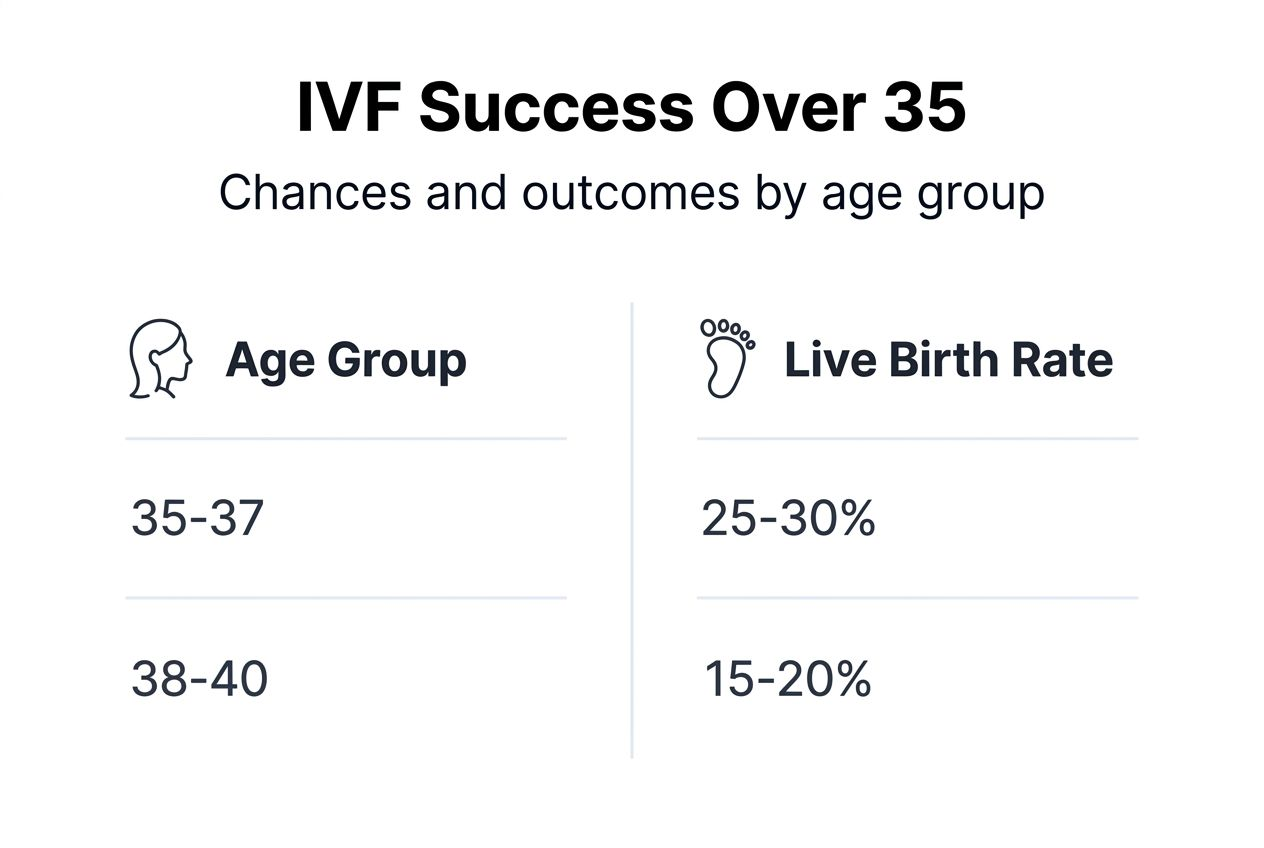
Live birth rates with IVF using own eggs decline steadily after 35. Women aged 35 to 37 see roughly 25 to 30% success per cycle. This drops to 15 to 20% by age 40 and under 10% by 43. These statistics reflect averages; your specific reserve markers provide more personalized predictions. Severely diminished reserve at 36 might yield rates closer to the 40-year-old average.
Donor egg IVF transforms the picture entirely. Success rates jump to 50 to 60% per cycle regardless of recipient age since young donor egg quality drives outcomes. Most women achieve pregnancy within one to two donor egg cycles. This option provides realistic hope when own-egg attempts repeatedly fail or reserve markers predict minimal success likelihood.
IUI success rates average 10 to 15% per cycle with normal ovarian reserve, declining to 5 to 8% with diminished reserve. Most doctors recommend no more than three to four IUI cycles before moving to IVF, since cumulative success plateaus and delays reduce subsequent IVF effectiveness.
Typical treatment timelines depend on your starting point and how quickly your body responds:
Initial consultation and testing: 4 to 6 weeks for complete workup
IUI cycle from start to pregnancy test: 2 to 3 weeks
IVF cycle from stimulation start to pregnancy test: 6 to 8 weeks
Frozen embryo transfer cycle: 4 to 5 weeks from start of preparation
Waiting period between failed cycles: 1 to 2 months for recovery
Starting treatment within 6 months of initial consultation preserves your best chances. Each month of delay at advanced reproductive age measurably reduces success odds. Some women spend months researching and preparing when their reserve indicates immediate action would better serve their goals.
Financial planning requires understanding both per-cycle costs and realistic cycle numbers needed. Average IVF costs:
Item | Cost Range |
IVF cycle (retrieval + fresh transfer) | $12,000 - $15,000 |
Medications | $3,000 - $5,000 |
Genetic testing (PGT-A) | $3,000 - $5,000 |
Frozen embryo transfer | $3,000 - $4,000 |
Donor eggs (if needed) | Additional $15,000 - $25,000 |
Cumulative success improves over multiple cycles. While one cycle might offer 20% success, three cycles could yield 45 to 50% cumulative live birth rate. This math guides how many cycles to budget for rather than expecting first-cycle success.
Monitoring and adjusting protocols between cycles significantly impacts cumulative success. Failed cycles provide valuable data about your specific response patterns. Doctors modify medication types, dosages, trigger timing, and laboratory protocols based on what previous attempts revealed. Women who change nothing after failures see repeated disappointing results.
Pro Tip: Ask your clinic for success rate data stratified by age and AMH levels matching yours, not just overall clinic averages that include optimal-prognosis patients.
Adjunct and emerging therapies to consider
Beyond standard treatments, experimental approaches may benefit select patients willing to explore cutting-edge options. Understanding both potential benefits and evidence limitations helps you decide if these therapies suit your situation.
Platelet-rich plasma (PRP) ovarian injections aim to rejuvenate dormant follicles and improve egg quality in poor responders. Doctors extract your blood, concentrate the growth factors, then inject the solution into ovarian tissue. PRP and stem cell treatments show promise but lack standardized success data, making outcomes unpredictable. Some clinics report improved response in 20 to 30% of treated patients, but rigorous controlled trials remain limited.
Stem cell therapies under investigation target ovarian tissue regeneration through similar mechanisms. Researchers explore both autologous stem cells from bone marrow or adipose tissue and more experimental approaches. Current evidence remains largely preclinical with only small human case series published. Enthusiasm outpaces proof at this stage.
These therapies typically function as adjuncts to standard IVF rather than standalone treatments. You might undergo PRP injection then proceed with conventional stimulation cycle to see if egg yield or quality improves compared to previous attempts. Costs add $3,000 to $8,000 to standard IVF expenses.
Key considerations for experimental therapies:
Discuss thoroughly with reproductive endocrinologist experienced in these protocols
Verify clinic participation in formal research studies when possible
Understand out-of-pocket costs since insurance rarely covers experimental treatments
Maintain realistic expectations given limited outcome data
Consider experimental options after standard approaches fail, not as first-line treatment
Ongoing research may expand these options’ roles as evidence accumulates. For now, they represent reasonable consideration for women with poor prognosis who’ve failed standard treatments and want to exhaust all possibilities before moving to donor eggs.
Discover expert fertility solutions at Rejuvenating Fertility Center
Navigating fertility treatment after 35 requires specialized expertise and personalized protocols. Rejuvenating Fertility Center offers advanced reproductive medicine tailored to women facing age-related fertility challenges and diminished ovarian reserve. The center’s comprehensive approach includes IVF with own and donor eggs, cutting-edge ovarian rejuvenation therapies, and specialized reproductive immunology programs for complex cases. Each treatment plan adapts to your unique diagnostic profile and reproductive history. Expert guidance throughout your IVF journey maximizes success potential while providing compassionate support. Schedule a consultation to explore personalized options designed specifically for your fertility goals.
Frequently asked questions
What is the first step to start fertility treatments after 35?
Schedule a consultation with a reproductive endocrinologist who will order comprehensive testing including ovarian reserve markers (AMH, AFC), hormonal panels, and uterine assessment. Complete this workup within 4 to 6 weeks to establish your baseline and guide treatment selection.
How long does it usually take to see results from IVF?
A single IVF cycle from stimulation start to pregnancy test takes 6 to 8 weeks. However, most women need two to three cycles to achieve pregnancy given age-related success rates of 15 to 25% per attempt.
When should I consider using donor eggs?
Consider donor eggs when AMH falls below 0.5, you’re over 42, or you’ve experienced multiple IVF failures with poor egg quality despite protocol adjustments. Donor eggs offer 50 to 60% success rates per cycle regardless of your age.
What lifestyle changes improve fertility treatment success?
Quit smoking immediately since it reduces IVF success by 15 to 25%. Achieve healthy BMI, limit alcohol to occasional consumption, manage chronic stress, optimize nutrition with fertility-supportive supplements, and reduce high-intensity exercise during active treatment cycles.
Are ovarian rejuvenation therapies safe and effective?
Current evidence shows these therapies appear safe with minimal reported complications, but effectiveness data remains limited to small studies. They may help 20 to 30% of poor responders improve ovarian response, but lack the proven track record of standard IVF protocols.
Recommended