
IVF for women 35+: 30-40% success with tailored plans
Updated: Mar 18
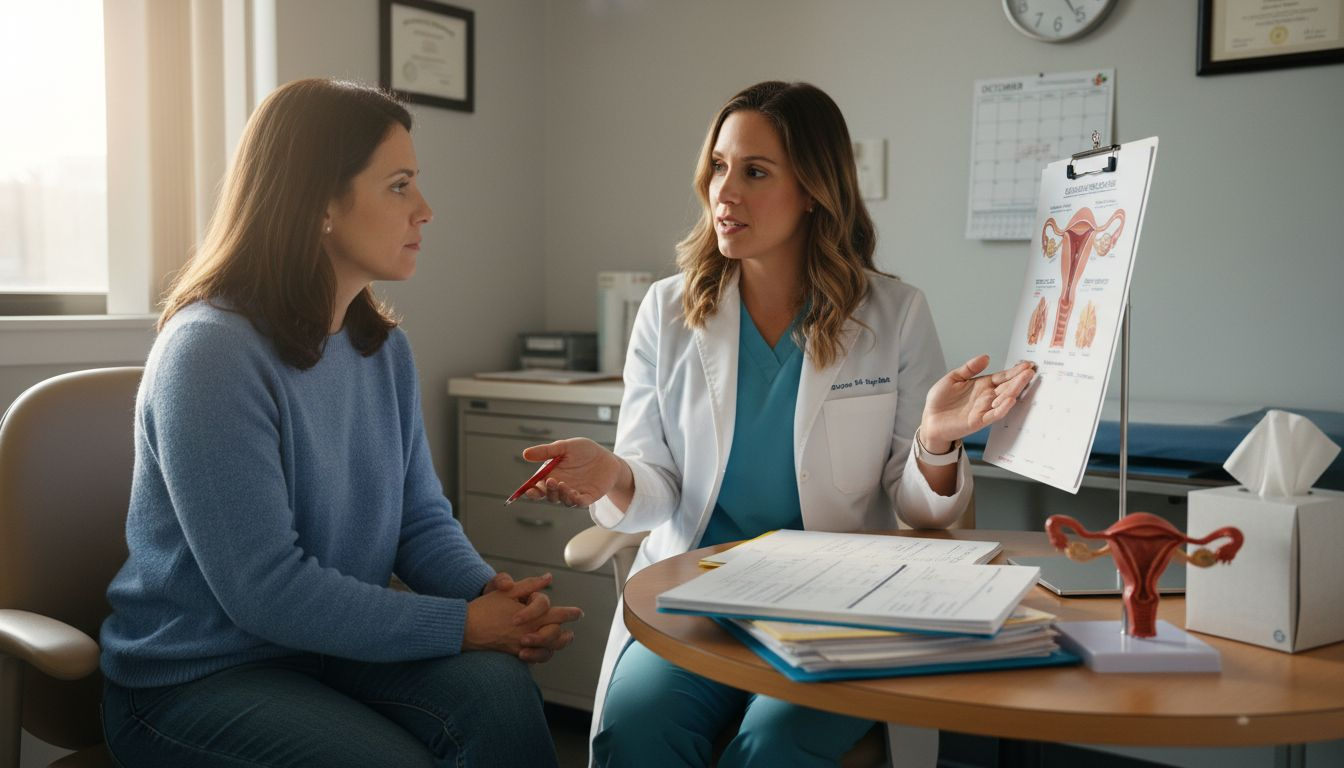
If you’re over 35 and struggling to conceive, you’re not alone. Many women in this age group face fertility challenges, but personalized treatment plans can dramatically improve outcomes. Women aged 35-37 have about a 30-40% chance of pregnancy per IVF cycle, and success rates climb even higher with multiple cycles and genetic testing. This guide walks you through creating an effective fertility treatment plan tailored to your unique situation.
Table of Contents
Key takeaways
Point | Details |
Fertility declines gradually after 35 | Individual variation means personalized assessment is essential for treatment success. |
Comprehensive testing guides treatment | AMH, AFC, and hormone panels identify the best protocol for your specific needs. |
IVF with genetic testing boosts outcomes | PGT-A screening selects healthy embryos, reducing miscarriage risk and improving live birth rates. |
Lifestyle changes enhance results | Nutrition, stress management, and targeted supplements support medical treatment effectiveness. |
Adaptive plans reduce stress | Realistic timelines and protocol adjustments based on response improve emotional wellbeing and success. |
Understanding fertility after 35
Your fertility doesn’t suddenly drop off a cliff at 35, but changes do accelerate. Natural conception rates drop from 15% at 35 to 5% at 40 monthly, with increased risk of chromosomal abnormalities. The decline is gradual and highly individual, meaning your specific ovarian reserve matters more than age alone.
These changes happen because egg quantity and quality both decrease over time. Each woman is born with a finite number of eggs that gradually decline throughout life. After 35, this decline speeds up, and the remaining eggs are more likely to have chromosomal errors that prevent healthy embryo development or cause miscarriage.
Understanding these biological realities helps you set realistic expectations and act with appropriate urgency. Some women at 38 have better egg reserves than others at 33. Personalized testing reveals where you actually stand, not where statistics suggest you might be.
Key age-related fertility changes include:
Declining egg quantity measured by ovarian reserve tests
Reduced egg quality with higher rates of chromosomal abnormalities
Increased miscarriage risk due to embryo genetic issues
Lower monthly conception probability requiring longer time to conceive
Greater need for medical assistance including IVF and genetic screening
These factors don’t mean pregnancy is impossible. They mean you need a strategic, personalized approach rather than hoping natural conception happens quickly.
Prerequisites: what you need before starting
Before jumping into treatment, you need baseline information about your fertility potential. Ovarian reserve testing including AMH and antral follicle count forms the foundation of any personalized plan. These tests reveal how many eggs you likely have remaining and help predict treatment response.
Your comprehensive fertility assessment should also include detailed medical and reproductive history. Past pregnancies, miscarriages, menstrual patterns, and previous treatments all guide protocol selection. Underlying conditions like endometriosis, PCOS, or thyroid disorders require specific treatment adjustments.

Hormonal evaluation measures FSH, estradiol, progesterone, and thyroid function. These baseline values help determine the best stimulation protocol and identify issues that could interfere with conception or pregnancy maintenance. Lifestyle factors including nutrition, stress levels, and supplement use also get evaluated for a holistic treatment approach.
Essential pre-treatment assessments include:
AMH blood test measuring ovarian reserve hormone levels
Transvaginal ultrasound counting antral follicles in both ovaries
Day 3 FSH and estradiol levels indicating baseline ovarian function
Complete medical history identifying conditions affecting fertility
Partner sperm analysis or donor sperm selection if applicable
Uterine evaluation through HSG or sonohysterogram checking for abnormalities
Understanding probable timelines and outcomes based on your test results helps you plan realistically. If your ovarian reserve is severely diminished, you might need to move quickly or consider donor eggs. If reserve is good, you have more options and flexibility in treatment timing.
Core steps: fertility treatment options and protocols
Once testing is complete, your fertility specialist designs a personalized protocol matching your specific situation. IVF with Preimplantation Genetic Testing for Aneuploidy improves live birth rates by identifying chromosomally normal embryos before transfer. This is especially valuable after 35 when egg quality issues become more common.
IUI offers a less invasive option but generally delivers lower success rates, particularly with diminished ovarian reserve or advanced age. It works best for women with good egg quality, open fallopian tubes, and a male partner with normal sperm. Most specialists recommend trying IUI first only when conditions are favorable, moving to IVF if it fails after three to four cycles.
Lifestyle modifications enhance whatever medical treatment you pursue. Proper nutrition, stress management techniques, and targeted supplementation support egg quality and treatment response. These changes won’t replace medical intervention but they optimize your body’s ability to respond to protocols.
Protocols require constant monitoring and adjustment. Your ovarian response to stimulation medications varies based on individual physiology. Regular ultrasounds and blood tests track follicle development, allowing medication dose changes that prevent over-stimulation or under-response.
Pro Tip: Ask your clinic about their monitoring frequency during stimulation cycles. More frequent monitoring allows earlier detection of response issues and faster protocol adjustments, potentially improving egg retrieval outcomes.
Treatment comparison:
Treatment | Success Rate per Cycle | Invasiveness | Best For |
IVF with PGT-A | 30-40% ages 35-37 | High | Diminished reserve, failed IUI, genetic concerns |
Standard IVF | 25-35% ages 35-37 | High | Failed IUI, tubal issues, male factor |
IUI | 10-15% ages 35-37 | Low | Good reserve, open tubes, mild male factor |
Timed intercourse | 5-10% age 35-40 | None | Regular cycles, no known issues |
Following best IVF practices means choosing the right protocol for your age and ovarian reserve. Antagonist protocols often work well for women over 35, allowing flexible timing and reduced over-stimulation risk. Your specialist might recommend specific protocols based on how your body responds.
The detailed IVF process guide walks through each treatment phase from stimulation through embryo transfer. Understanding these steps reduces anxiety and helps you prepare mentally and physically for each stage.
Key protocol elements include:
Ovarian stimulation using injectable medications to produce multiple eggs
Frequent monitoring via ultrasound and bloodwork tracking follicle growth
Trigger shot timing precisely before egg retrieval
Egg retrieval procedure under light sedation
Fertilization using conventional IVF or ICSI based on sperm quality
Embryo culture for 5-6 days to blastocyst stage
Optional PGT-A genetic testing of embryos
Frozen embryo transfer after uterine lining preparation
Common mistakes and troubleshooting
Many women start IVF without proper ovarian reserve testing, leading to inappropriate protocol selection and preventable failures. Testing must happen first, before any treatment decisions. Skipping this step wastes time, money, and emotional energy on protocols unlikely to work for your specific situation.
Repeating identical IVF protocols after poor results is another frequent error. If your first cycle produced few eggs or poor-quality embryos, doing the exact same thing again rarely improves outcomes. Protocol adjustments addressing the specific response problem increase success likelihood. Your doctor should analyze what went wrong and modify the approach.
Ignoring lifestyle factors limits treatment effectiveness. While fertility medicine is powerful, your body’s baseline health matters. Poor nutrition, chronic stress, inadequate sleep, and vitamin deficiencies all impact egg quality and treatment response. Addressing these factors alongside medical treatment improves your chances.
Pro Tip: Keep a detailed journal of your cycle symptoms, medication side effects, and emotional state. Share this information with your fertility team so they can spot patterns and make informed protocol adjustments for future cycles.
Avoidable mistakes include:
Starting treatment without comprehensive fertility testing
Repeating failed protocols without modifications
Neglecting nutrition, stress management, and supplement support
Failing to communicate openly about treatment response and concerns
Stopping after one failed cycle instead of planning cumulative attempts
Ignoring underlying conditions like thyroid issues or endometriosis
Understanding repeated IVF failure causes helps you avoid them. Over 80% of embryos from women 35+ have chromosomal abnormalities, making genetic testing critical for identifying viable embryos. Failed cycles without testing might simply reflect bad luck in embryo selection rather than fundamental treatment problems.
Expected results and outcomes
Realistic expectations protect your emotional wellbeing during treatment. IVF success rates for women 35-37 range from 30-40% per cycle, with cumulative live birth rates exceeding 60% after three cycles. These statistics mean you should plan for multiple attempts rather than expecting immediate success.
Success rates decline with age, but they remain significant even into the early 40s with appropriate treatment. What matters most is understanding your individual prognosis based on ovarian reserve testing, not just age-based averages. Some 38-year-olds have better odds than some 35-year-olds depending on egg reserve and quality.
Typical treatment timelines span three to six months depending on how many cycles you pursue and how your body responds. Each IVF cycle takes about six weeks from stimulation start through embryo transfer. If the first transfer fails, you can typically try again the following cycle using frozen embryos or repeating egg retrieval.
Understanding these numbers helps you persist through initial failures rather than giving up prematurely. Many successful pregnancies happen on the second or third cycle after protocol refinements based on earlier responses.
Success rate breakdown:
Age Range | Success per Cycle | Cumulative After 3 Cycles | Typical Timeline |
35-37 | 30-40% | 60-70% | 3-6 months |
38-40 | 20-30% | 45-55% | 4-8 months |
41-42 | 10-20% | 25-40% | 6-12 months |
43+ | 5-10% | 15-25% | 6-12 months |
These rates assume PGT-A testing when appropriate and optimized protocols. Without genetic screening, rates may be lower due to transferring abnormal embryos. The fertility success rates guide explains how different factors influence your personal odds.
Factors improving your specific chances include:
Good ovarian reserve for your age
No underlying fertility conditions
Healthy lifestyle and appropriate supplementation
High-quality sperm or use of donor sperm
Experienced fertility clinic with strong lab practices
Use of PGT-A testing to select healthy embryos
Multiple cycles provide the best cumulative success because each attempt offers another chance at retrieving that one healthy egg that becomes your baby. Financial and emotional resources permitting, planning for at least three cycles gives you the highest probability of taking home a child.
Summary and next steps
Creating an effective fertility treatment plan requires personalized assessment, appropriate protocol selection, and realistic expectations. Every woman’s fertility situation differs, making individualized care essential rather than optional. What works for someone else might not work for you, and vice versa.
Successful treatment combines medical intervention, lifestyle optimization, and emotional support. None of these elements alone guarantees success, but together they maximize your chances. Early personalized fertility assessment identifies your baseline and guides initial protocol selection, while ongoing monitoring allows adjustments based on response.
Adaptive treatment approaches improve outcomes over multiple cycles. If your first protocol doesn’t work, analyze what happened and modify the approach. Persistence with strategic adjustments succeeds more often than giving up after initial disappointment.
Your next steps:
Schedule comprehensive fertility testing including ovarian reserve assessment
Review results with a fertility specialist to discuss treatment options
Implement lifestyle changes supporting egg quality and treatment response
Choose an initial treatment protocol matching your specific situation
Plan for multiple cycles if necessary to achieve cumulative success
Stay in close communication with your care team throughout treatment
Consult a fertility specialist experienced in treating women over 35 to develop your personalized plan. They can interpret your test results, recommend appropriate protocols, and adjust treatment based on your individual response patterns.
Explore personalized fertility care at Rejuvenating Fertility Center
Rejuvenating Fertility Center specializes in personalized IVF and fertility treatment plans designed specifically for women over 35 facing conception challenges. Our expert team uses advanced ovarian reserve testing, genetic embryo screening, and adaptable protocols to optimize your individual outcomes. We understand that age-related fertility decline requires sophisticated, tailored approaches rather than one-size-fits-all solutions. Explore your IVF journey with us, or learn more about best IVF practices and our comprehensive IVF process guide to increase your chances of conception today.
FAQ
How do I know if IVF or IUI is right for me?
IVF is typically preferred when you have diminished ovarian reserve, failed IUI attempts, tubal issues, or severe male factor infertility. IUI may be attempted first if your ovarian reserve tests are normal, your tubes are open, and there are no major fertility obstacles. Your fertility specialist reviews your complete assessment results to recommend the approach most likely to succeed for your specific situation. Learn more about fertility treatments for women over 35.
What lifestyle changes support fertility treatment success?
Proper nutrition including antioxidant-rich foods, stress management through yoga or meditation, and targeted supplementation can significantly enhance treatment response and egg quality. Avoid smoking completely, limit alcohol consumption to occasional use or none, and maintain a healthy body weight as both underweight and overweight conditions negatively impact fertility. These changes won’t replace medical treatment but they optimize your body’s ability to respond to protocols. Explore effective fertility supplements that support conception.
How many IVF cycles should I plan for realistically?
Most women should mentally and financially prepare for at least three IVF cycles to reach cumulative success rates around 60% for ages 35-37. Single cycle success is possible but planning for multiple attempts reduces emotional disappointment if initial cycles don’t work. Total treatment duration typically spans three to six months depending on how many cycles you pursue and how your ovaries respond to stimulation. Review detailed fertility success rates to understand your individual prognosis.
Does genetic testing really improve IVF outcomes?
Yes, PGT-A genetic testing identifies chromosomally normal embryos before transfer, significantly improving live birth rates and reducing miscarriage risk for women over 35. Since over 80% of embryos from women 35+ have chromosomal abnormalities, testing helps select the healthy ones most likely to result in successful pregnancy. While testing adds cost, it prevents transferring embryos destined to fail and reduces the emotional toll of miscarriage from chromosomally abnormal pregnancies.
What happens if my first IVF cycle fails?
Your fertility team analyzes the cycle to identify why it didn’t succeed, examining egg quantity, quality, fertilization rates, embryo development, and transfer conditions. Based on this analysis, they modify your protocol for subsequent attempts, adjusting medication types, doses, or timing to improve response. Many women succeed on their second or third cycle after protocol refinements based on their individual response patterns. Failed cycles provide valuable information that guides more effective future treatments.
Recommended

