Fertility Supplements: 30% Pregnancy Boost for Women 35+
Updated: Mar 18

Fertility supplements promise hope, but many women over 35 assume they’re a guaranteed, risk-free solution. The reality is more nuanced. Up to 15% of patients report adverse effects or interactions when combining supplements with fertility drugs without medical supervision. This article cuts through the confusion, presenting scientific evidence on how targeted supplementation can genuinely support your reproductive health when used correctly, alongside lifestyle changes and medical guidance.
Table of Contents
Understanding Fertility Supplements: What They Are and How They Work
Key Ingredients in Fertility Supplements and Their Mechanisms
Common Misconceptions and Realities About Fertility Supplements
Comparison: Fertility Supplements Versus Lifestyle and Medical Treatments
Bridging Science to Personal Fertility Journeys: Summary and Next Steps
Explore Expert Fertility Treatments and Support at Rejuvenating Fertility Center
Frequently Asked Questions About Fertility Supplements for Women Over 35
Key Takeaways
Point | Details |
Supplements support biological fertility factors | Fertility supplements address age-related declines in egg quality and hormonal balance affecting women over 35. |
Key ingredients deliver measurable benefits | CoQ10 and Omega-3 improve egg quality and endometrial receptivity with clinical evidence. |
Scientifically backed pregnancy improvements | Targeted supplementation shows up to 30% improvement in clinical pregnancy rates when properly used. |
Not a standalone solution | Supplements work best combined with lifestyle modifications and medical treatments, not as replacements. |
Medical supervision is essential | Professional guidance prevents dangerous interactions and optimizes personalized supplementation strategies. |
Understanding Fertility Supplements: What They Are and How They Work
Fertility supplements are nutritional compounds designed to support reproductive function by addressing specific biological gaps. These aren’t magic pills, but rather targeted interventions that work with your body’s natural processes.
These supplements fall into several categories. Antioxidants protect eggs from oxidative damage. Vitamins and minerals support hormonal balance and ovulation. Metabolic regulators enhance cellular energy production in aging eggs.
The definition and biological mechanisms explain how fertility supplements support reproductive health in women over 35. They enhance egg quality by boosting mitochondrial function. They improve hormonal signaling for regular ovulation. They create a healthier uterine environment for implantation.
Women over 35 often experience age-related declines. Ovarian reserve decreases. Mitochondrial efficiency in eggs drops. Hormonal patterns shift. This is where fertility treatments for women over 35 become crucial, and supplements can play a supporting role.
Here’s what fertility supplements typically target:
Egg quality improvement through antioxidant protection and mitochondrial support
Hormonal balance optimization for regular ovulation cycles
Uterine lining enhancement for better embryo receptivity
Reduction of inflammation that interferes with conception
DNA integrity preservation in aging eggs
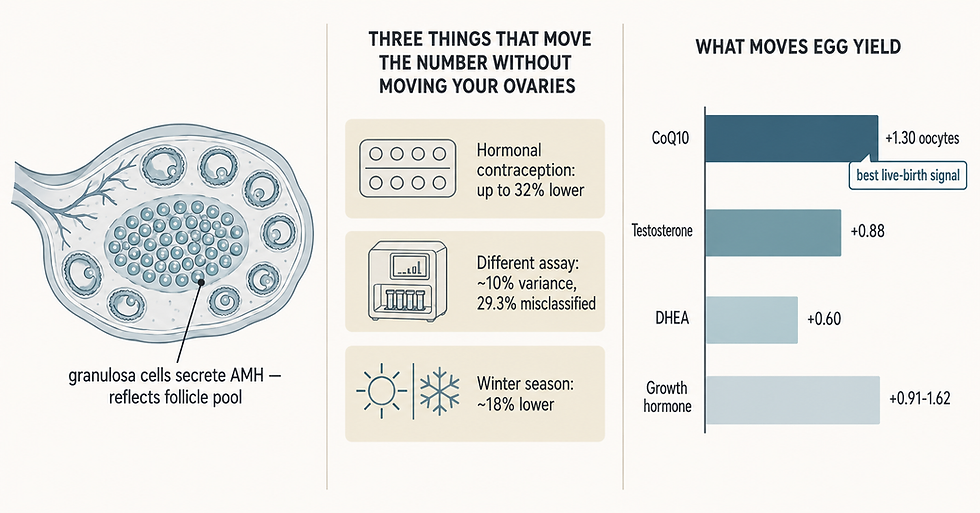
Understanding fertility success rates explained helps set realistic expectations. Research shows supplements provide modest but meaningful improvements when combined with comprehensive care. A study on CoQ10 and fertility demonstrates these biological mechanisms in action.
Key Ingredients in Fertility Supplements and Their Mechanisms
Specific nutrients stand out for their evidence-backed fertility benefits. Let’s break down the key players and how they work.
Coenzyme Q10 (CoQ10): This powerhouse supports mitochondrial function in eggs. Mitochondria are the energy factories of cells, and aging eggs need all the energy they can get. CoQ10 supplementation improves mitochondrial function leading to a 20-30% increase in clinical pregnancy rates. The typical dosage ranges from 200-600 mg daily.
Folate (Methylfolate): Essential for ovulation and early fetal development. Unlike synthetic folic acid, methylfolate is the active form your body can use immediately. It supports DNA synthesis and cell division during the critical early pregnancy window.
Myo-inositol: Particularly beneficial for women with PCOS. It improves insulin sensitivity, which directly affects ovulatory function. Studies show it can restore regular menstrual cycles and improve egg quality in insulin-resistant women.
Antioxidants (Vitamin C, Vitamin E, N-acetylcysteine): These protect eggs and reproductive tissues from oxidative stress. Free radicals damage cellular structures, including egg DNA. Antioxidants neutralize these threats, preserving egg integrity.
Omega-3 Fatty Acids (DHA and EPA): These support uterine health and implantation. Omega-3 fatty acids improve endometrial receptivity and implantation rates by about 15%. They reduce inflammation and support healthy blood flow to reproductive organs.
Pro Tip: Start supplementation at least three months before attempting conception. Eggs take approximately 90 days to mature, so you need this lead time for supplements to impact egg quality effectively.
The best IVF practices for women over 35 often incorporate these supplements. However, fertility assessment and personalized care ensures you’re taking what you actually need. Understanding fertility workup importance helps identify which nutrients will benefit you most.
Your body’s specific needs depend on your diagnosis. PCOS responds differently than diminished ovarian reserve. That’s why clinical CoQ10 research and Omega-3 fertility study data matter. They guide evidence-based recommendations.
Scientific Evidence on Effectiveness for Women Over 35
Clinical studies provide concrete data on supplement effectiveness. The results are encouraging but require proper context.
Research focusing on women over 35 shows measurable improvements. Clinical pregnancy rates improve by 20-30% with CoQ10 supplementation in women over 35. This improvement appears most significant in women undergoing assisted reproductive technology with diminished ovarian reserve.
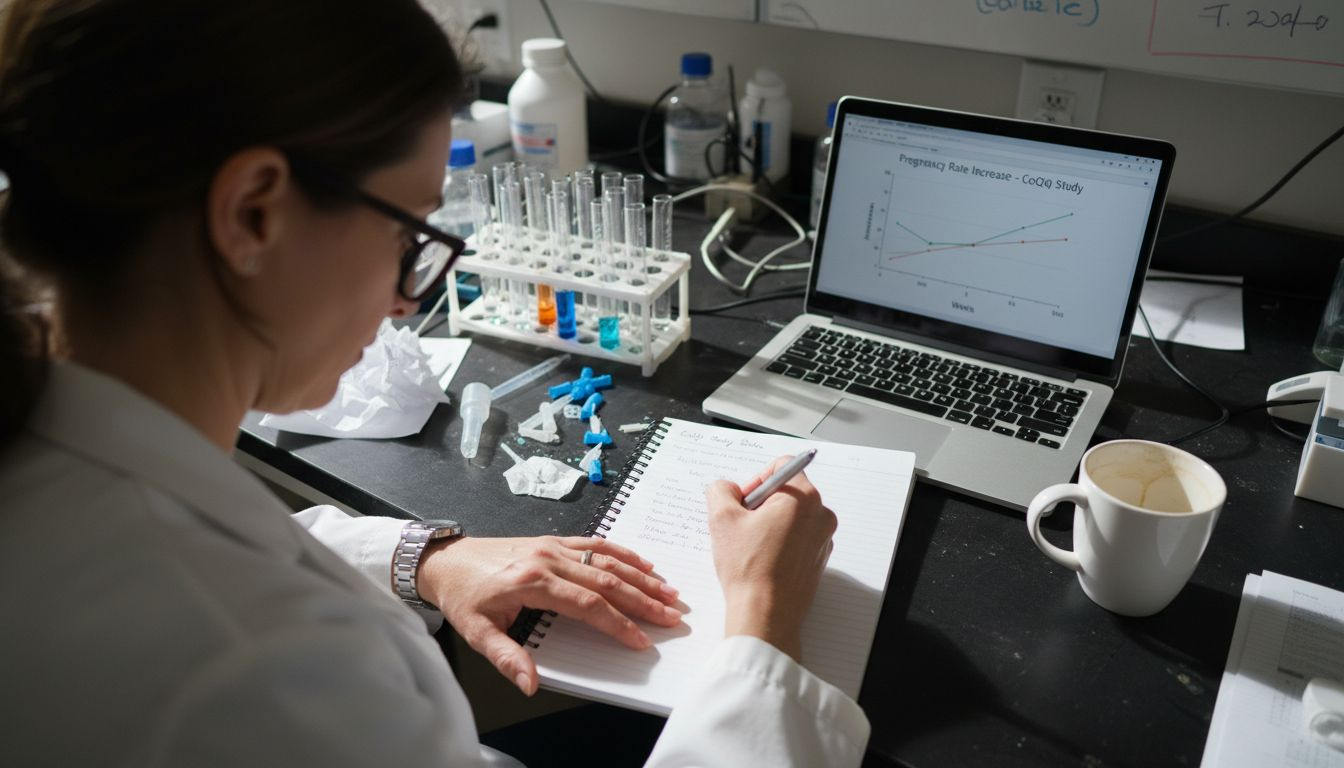
Separate research on Omega-3s demonstrates similar benefits. Omega-3 supplementation yields a 15% increase in implantation rates during ART in this demographic. The mechanism involves improved uterine blood flow and reduced inflammatory markers.
Here’s a breakdown of key findings:
Supplement | Population Studied | Outcome Improvement | Study Duration |
CoQ10 (600 mg/day) | Women 35-43 with DOR | 20-30% pregnancy rate increase | 2-6 months |
Omega-3 (2000 mg/day) | Women over 35 undergoing IVF | 15% implantation rate increase | 3 months |
Myo-inositol (4 g/day) | Women with PCOS | Ovulation restored in 70% | 3-6 months |
Folate (800 mcg/day) | General fertility population | Reduced neural tube defects, improved implantation | Ongoing |
One fertility specialist noted:
“Supplements cannot reverse biological aging, but they can optimize the fertility potential you currently have. We see the best outcomes when patients combine evidence-based supplementation with comprehensive fertility care.”
It’s crucial to understand fertility success rates in context. Supplements provide modest improvements. They don’t guarantee pregnancy. They don’t fully reverse age-related fertility decline.
Women with severe diminished ovarian reserve may see smaller benefits than those with mild decline. PCOS patients often respond particularly well to myo-inositol. Each diagnosis presents different opportunities for supplement support.
CoQ10 effectiveness clinical studies and Omega-3 clinical data provide the foundation for evidence-based recommendations. These aren’t marketing claims. They’re peer-reviewed findings from controlled trials.
Common Misconceptions and Realities About Fertility Supplements
Myths about fertility supplements create unrealistic expectations and potential dangers. Let’s address the most common misconceptions.
Myth: All supplements are completely safe because they’re natural. Reality hits harder. Some fertility supplements can interact negatively with fertility medications; up to 15% of patients report adverse effects without supervision. Natural doesn’t equal harmless. High doses of certain vitamins can disrupt hormone balance or interfere with medication absorption.
Myth: Supplements can fully reverse age-related infertility. This is perhaps the most damaging misconception. Supplements optimize your current fertility potential. They don’t turn back biological clocks. A 42-year-old woman’s eggs have been exposed to 42 years of environmental factors and cellular aging. No supplement erases that history.
Myth: Generic over-the-counter fertility supplements work as well as personalized protocols. Generic formulas use one-size-fits-all dosages. Your needs depend on your specific diagnosis, hormone levels, and existing nutrient status. A woman with PCOS needs different support than someone with endometriosis or diminished ovarian reserve.
Myth: More is always better. Excessive supplementation can cause toxicity. Fat-soluble vitamins like A, D, E, and K accumulate in body tissues. Too much vitamin A can cause birth defects. High doses of vitamin E may increase bleeding risk.
Key realities to remember:
Medical supervision prevents dangerous interactions with fertility medications
Blood tests should guide supplement choices and dosages
Quality matters; look for third-party tested, pharmaceutical-grade supplements
Timing matters; some supplements need months to show effects
Individual response varies based on genetics, lifestyle, and underlying conditions
Pro Tip: Keep a detailed log of all supplements, medications, and vitamins you take. Share this with every healthcare provider involved in your care. Drug-supplement interactions are real and potentially serious.
The importance of personalized fertility assessment becomes clear here. Without proper evaluation, you’re guessing. Fertility supplement risks are minimized when professionals guide your protocol based on your unique situation.
Comparison: Fertility Supplements Versus Lifestyle and Medical Treatments
Understanding how supplements fit into the bigger fertility picture helps you make informed decisions. Each approach offers different benefits and limitations.
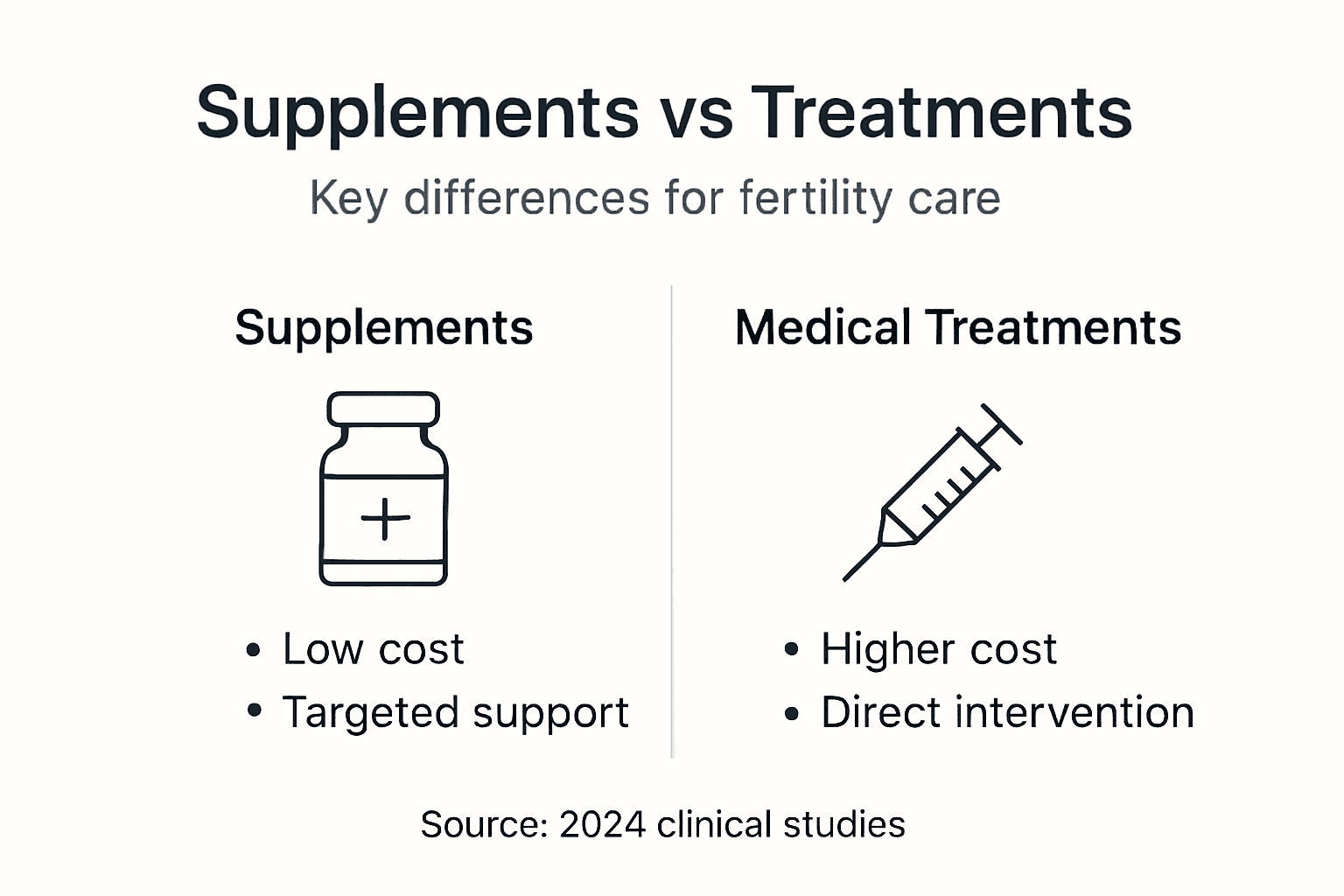
Supplements provide targeted nutritional support. They address specific deficiencies or biological needs. They’re relatively affordable and non-invasive. However, they work slowly and provide modest improvements alone.
Lifestyle changes affect broader health factors. Diet quality impacts inflammation, insulin sensitivity, and body weight. Exercise improves circulation and hormone balance. Stress reduction supports regular ovulation. These changes cost little but require consistent effort and time.
Medical treatments directly address structural or severe hormonal issues. IVF bypasses fallopian tube problems. Medication induces ovulation when natural cycles fail. Surgery removes endometriosis or fibroids. These interventions are powerful but expensive and invasive.
Here’s how they compare:
Approach | Timeline to Effect | Cost Range | Best For | Limitations |
Supplements | 3-6 months | $50-200/month | Optimizing egg quality, mild deficiencies | Modest improvements, requires consistency |
Lifestyle Changes | 3-12 months | Minimal to moderate | Overall health, hormone balance | Requires discipline, slower results |
Medical Treatments | Immediate to 3 months | $500-15,000+ per cycle | Structural issues, severe hormone problems | Invasive, expensive, side effects |
Combined Approach | 3-6 months | Varies | Comprehensive fertility optimization | Requires coordination, multiple commitments |
The magic happens when you combine approaches. Integrated lifestyle and supplement interventions increase fertility success rates by up to 35% compared to either approach alone. This synergy explains why fertility clinics increasingly recommend comprehensive protocols.
Consider these complementary strategies:
Take CoQ10 while improving diet quality and undergoing IVF
Use myo-inositol alongside weight management for PCOS
Combine Omega-3s with stress reduction techniques and fertility treatments
Add antioxidants while eliminating inflammatory foods and preparing for conception
Exploring fertility treatments options shows the full spectrum of possibilities. Personalized fertility care integrates supplements strategically within comprehensive plans. The lifestyle and fertility evidence supports this integrated approach.
Supplements aren’t replacements for medical care when structural problems exist. They’re not substitutes for healthy lifestyle choices. They’re one valuable tool in a complete fertility strategy.
Practical Guidance on Using Fertility Supplements
Ready to start supplementing strategically? Follow these evidence-based steps for safe, effective use.
Schedule a comprehensive fertility workup first. Blood tests reveal hormone levels, nutrient deficiencies, and metabolic markers. Ultrasounds assess ovarian reserve and structural issues. Understanding fertility assessment steps ensures supplements address your actual needs, not guessed ones.
Start supplementation 3-6 months before conception attempts. Egg maturation takes approximately 90 days. Supplements need this lead time to impact egg quality meaningfully. If you’re already undergoing fertility treatments, discuss timing with your physician.
Choose pharmaceutical-grade, third-party tested products. Supplement quality varies wildly. Look for USP, NSF, or ConsumerLab certifications. These ensure the bottle contains what the label claims without harmful contaminants.
Take supplements consistently with food. Fat-soluble vitamins (A, D, E, K) absorb better with dietary fat. Consistency matters more than perfection. Set phone reminders or pair supplements with an existing habit like breakfast.
Monitor for side effects and effectiveness. Keep notes on menstrual cycle regularity, energy levels, and any unusual symptoms. Report these to your healthcare provider. Follow-up blood tests track whether supplementation is working.
Adjust dosages only under medical supervision. Your needs may change based on test results or treatment protocols. Never increase dosages independently, especially when taking fertility medications.
Continue lifestyle improvements simultaneously. Supplements work best alongside healthy eating, regular exercise, adequate sleep, and stress management. Think of supplements as optimization, not compensation for poor habits.
Pro Tip: Create a supplement schedule. Some nutrients compete for absorption. Take iron separately from calcium. Space out high-dose vitamins throughout the day. Your pharmacist can help you optimize timing.
When preparing for IVF naturally, supplements play a supporting role. They complement but don’t replace medical protocols. Communicate openly with your fertility team about everything you’re taking.
Watch for these red flags requiring immediate medical attention:
Irregular bleeding or cycle changes after starting supplements
Severe digestive upset, nausea, or vomiting
Unexplained headaches, dizziness, or mood changes
Allergic reactions like rash, itching, or swelling
Any concerning symptoms you can’t explain
Your fertility journey is unique. What works for your friend may not suit your situation. Personalized guidance based on diagnostic data gives you the best chance of success.
Bridging Science to Personal Fertility Journeys: Summary and Next Steps
Fertility supplements offer real, measurable benefits when used correctly. The science shows 20-30% improvements in pregnancy rates with targeted supplementation like CoQ10. Omega-3s increase implantation success by 15%. These aren’t guarantees, but they’re meaningful improvements.
The key is realistic expectations. Supplements optimize your current fertility potential. They don’t reverse biological aging. They work best combined with lifestyle improvements and medical treatments when needed.
Medical guidance ensures safety and effectiveness. Without proper assessment, you risk wasting money on unnecessary supplements or, worse, causing harm through interactions. Professional oversight maximizes benefits while minimizing risks.
Your next steps are clear. Schedule a comprehensive fertility workup. Discuss evidence-based supplementation with your healthcare provider. Implement lifestyle changes alongside any supplement protocol. Consider advanced treatments if appropriate for your diagnosis.
Knowledge empowers action. You now understand what works, what doesn’t, and how to use supplements strategically. Your fertility journey deserves this evidence-based, personalized approach.
Explore Expert Fertility Treatments and Support at Rejuvenating Fertility Center
Rejuvenating Fertility Center specializes in personalized fertility care for women over 35. We combine advanced diagnostics with evidence-based supplement protocols tailored to your unique situation. Our comprehensive approach integrates fertility treatments for women over 35 with nutritional optimization.
Our team understands that fertility success rates explained properly set realistic expectations. We offer best IVF practices for women over 35, including personalized supplement recommendations based on your fertility workup. Schedule a consultation to explore how professional guidance can optimize your fertility journey with strategic supplementation and comprehensive care.
Frequently Asked Questions About Fertility Supplements for Women Over 35
How soon can I expect results from fertility supplements?
Expect to wait three to six months for meaningful results. Eggs take approximately 90 days to mature from follicle to ovulation. Supplements need this full cycle to impact egg quality. Some women notice improved cycle regularity within one to two months, but conception benefits require the full timeframe.
Are fertility supplements safe to take with fertility medications?
Only under medical supervision. Some supplements interact with fertility drugs, reducing effectiveness or causing adverse effects. For example, high-dose antioxidants may interfere with certain medications. Always disclose all supplements to your fertility specialist before starting treatment protocols.
Can supplements alone improve my chances if I have diminished ovarian reserve?
Supplements provide modest improvements but work best combined with medical treatments. If you have severely diminished ovarian reserve, supplements like CoQ10 may optimize remaining egg quality by 20-30%, but they cannot restore lost ovarian function. Comprehensive fertility assessment through fertility assessment importance determines your best treatment strategy.
Which supplements are most recommended for women over 35 with PCOS?
Myo-inositol and folate show the strongest clinical evidence for PCOS. Myo-inositol improves insulin sensitivity and restores ovulation in approximately 70% of women with PCOS. Combined with folate, these support both ovulation and early pregnancy health. Your specific dosage should be determined by blood work and symptoms.
How do I know if a fertility supplement is right for me?
A personalized fertility workup guides supplement choices. Blood tests reveal hormone levels, nutrient deficiencies, and metabolic markers. Your diagnosis determines which supplements will benefit you most. Generic recommendations rarely address your specific needs as effectively as targeted protocols based on diagnostic data.
Recommended