
Egg freezing in 2026: preserve fertility after 35
Updated: Mar 18

After age 35, a woman’s fertility declines sharply due to decreasing egg quantity and quality. This biological reality leaves many women wondering how to protect their reproductive options. Egg freezing offers a scientifically proven method to pause the aging of your eggs, giving you control over your fertility timeline while you pursue career goals, find the right partner, or simply want more time before starting a family.
Table of Contents
Key takeaways
Point | Details |
Age drives fertility decline | After 35, egg quantity and quality drop rapidly, reducing natural conception chances and increasing chromosomal abnormalities. |
Egg freezing halts biological aging | Vitrification preserves eggs at their current age, maintaining future pregnancy potential when you’re ready. |
Timing dramatically affects success | Freezing eggs before 35 yields 12%+ live birth rates per egg, but rates decline significantly after 37. |
Not a pregnancy guarantee | Success depends on multiple factors including egg quality, uterine health, and implantation conditions. |
Personal decision framework needed | Evaluate your ovarian reserve, timeline, finances, and goals with a fertility specialist to make informed choices. |
Understanding age-related fertility decline
Your ovaries hold all the eggs you’ll ever have from birth. At that point, you started with about 1 to 2 million oocytes. By age 37, only around 25,000 remain. This dramatic drop in egg quantity represents just one dimension of the fertility challenge.
Quality matters as much as quantity. As you age, your eggs accumulate chromosomal abnormalities that make successful conception and healthy pregnancy less likely. These genetic errors increase miscarriage risk and reduce the chances that any given egg will result in a viable pregnancy.
Reduced ovarian reserve creates a compounding effect. Fewer eggs combined with declining quality means your monthly conception probability drops substantially after 35. Natural conception becomes progressively more difficult, and the window for fertility treatments for women over 35 narrows with each passing year.
Key biological changes after 35 include:
Accelerated egg loss from your remaining ovarian reserve
Increased chromosomal errors during egg cell division
Higher rates of miscarriage due to genetic abnormalities
Reduced response to fertility medications
Longer time to conception even under optimal conditions
These changes reflect natural reproductive aging. Understanding this biology helps you make proactive decisions about preserving your fertility potential before time reduces your options.
How egg freezing preserves fertility 2026
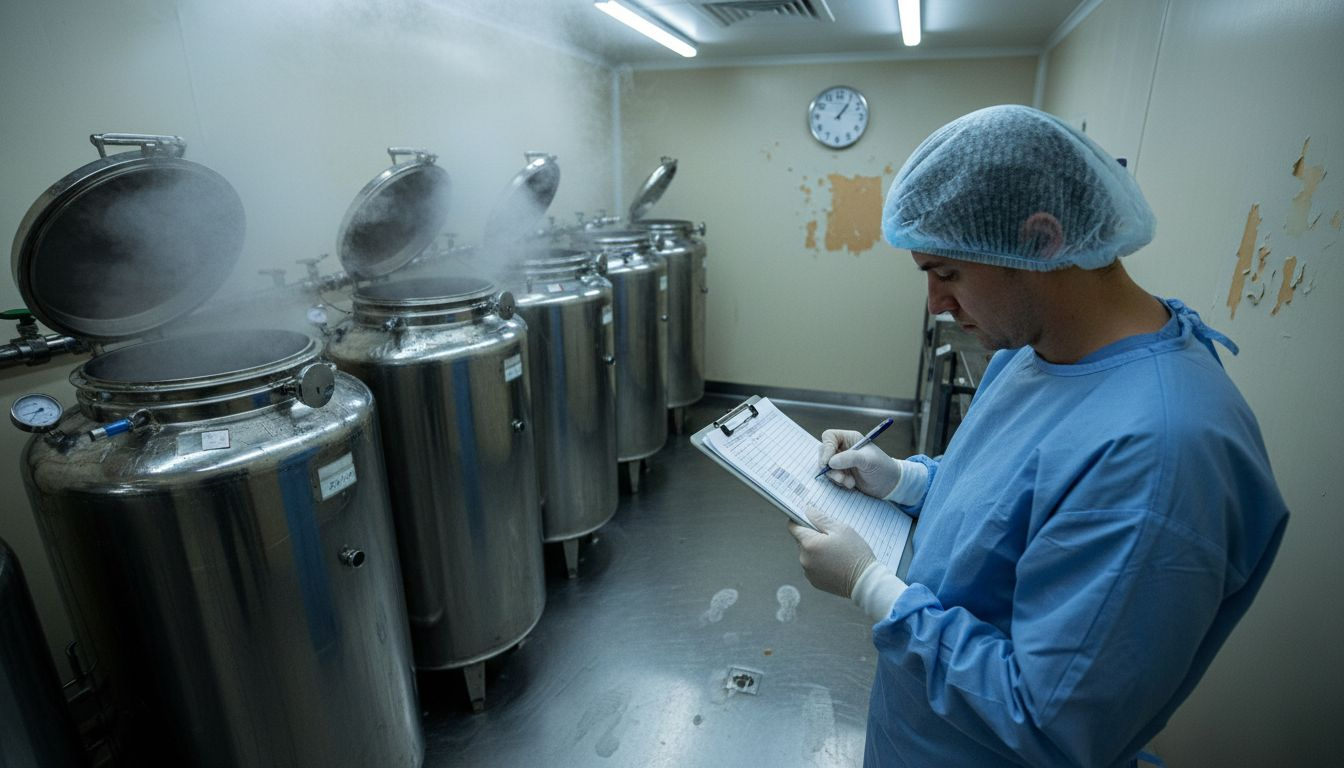
Egg freezing uses vitrification, a flash-freezing technique that prevents ice crystal formation and preserves cellular structure. This process effectively stops your eggs from aging biologically. The eggs you freeze at 33 remain 33 years old even if you use them at 40.
The egg freezing process involves several coordinated steps:
Ovarian stimulation with hormone medications for 10 to 14 days to mature multiple eggs in one cycle
Monitoring via ultrasound and blood tests to track follicle development and hormone levels
Trigger shot administered 36 hours before retrieval to finalize egg maturation
Egg retrieval performed under light sedation using ultrasound-guided needle aspiration
Vitrification of mature eggs within hours of retrieval for optimal preservation
Storage in liquid nitrogen at negative 196 degrees Celsius for years or decades
When you’re ready to use your frozen eggs, they’re thawed and fertilized through IVF. Survival rates after thawing typically reach 90% or higher with modern vitrification methods. Fertilized eggs develop into embryos that can be transferred to your uterus, giving you pregnancy chances comparable to fresh eggs frozen at the same age.
The biological clock keeps ticking for your body, but your frozen eggs remain suspended in time. This preservation method lets you separate your reproductive timeline from your biological age, creating flexibility many women need in their 30s.
Pro Tip: Schedule your fertility assessment and egg freezing consultation before age 35 if possible. Earlier freezing typically yields more eggs of higher quality, maximizing your future pregnancy potential per cycle.
For detailed information about each stage, review this step-by-step egg freezing guide that walks through what to expect from consultation through storage.
Success rates and age correlation
Your age when freezing eggs matters more than almost any other factor. Women who freeze eggs before 35 can achieve live birth rates of 12% or more per thawed egg. This percentage sounds modest, but most women freeze 10 to 20 eggs per cycle, creating cumulative pregnancy chances that add up significantly.
After 37, success rates decline noticeably. Both the number of eggs retrieved per cycle and the quality of those eggs decrease, reducing overall pregnancy probability. By age 40, you might retrieve fewer eggs, and each egg carries a lower chance of resulting in a healthy baby.
Age at Freezing | Average Eggs Retrieved | Approximate Live Birth Rate Per Egg |
Under 35 | 15-20 | 12-15% |
35-37 | 12-15 | 10-12% |
38-40 | 8-12 | 6-9% |
Over 40 | 5-8 | 3-5% |
These statistics emphasize timing’s critical role in egg freezing outcomes. Waiting even a few years can substantially impact both the quantity and quality of eggs you preserve. Women considering IVF success rates for women over 35 should understand that frozen egg outcomes follow similar age-related patterns.
Multiple factors influence your individual success probability:
Your ovarian reserve measured through AMH and antral follicle count testing
Overall health including BMI and lifestyle factors
Number of eggs frozen across one or multiple cycles
Quality of the fertility clinic and laboratory performing vitrification
Your uterine health and implantation environment when using frozen eggs
These numbers represent averages across populations. Your fertility specialist can provide personalized projections based on your specific test results and health profile. Understanding these statistics helps you set realistic expectations and plan appropriately.
Common misconceptions about egg freezing
Many women believe egg freezing guarantees future pregnancy, but this assumption misses important nuances. Preserved eggs maintain their age-related quality, yet pregnancy success depends on multiple factors beyond egg viability. Uterine health, implantation conditions, and embryo development all influence whether frozen eggs ultimately result in a baby.
Another widespread myth suggests all women who freeze eggs eventually use them. Research shows only 30 to 50% of women return to use their frozen eggs. Life circumstances change. Some women conceive naturally, others choose different paths, and many find their situations evolve in unexpected ways.
Safety concerns also generate confusion. While egg freezing carries medical risks including ovarian hyperstimulation syndrome, severe complications remain uncommon. Most women experience mild symptoms like bloating and cramping. Serious adverse events occur in fewer than 2% of cycles.
Common misconceptions include:
Frozen eggs guarantee a baby regardless of other health factors
The procedure carries no medical risks or side effects
All frozen eggs survive thawing and fertilization
Freezing eggs means you’ll definitely need to use them
Age at egg use matters as much as age at freezing
Insurance always covers egg freezing costs
Realistic understanding improves decision quality and reduces anxiety. Egg freezing offers powerful fertility preservation, but it works best when you understand both its capabilities and limitations.
Pro Tip: Ask your fertility doctor specific questions about your individual success probability based on your AMH levels, antral follicle count, and age. Personalized estimates beat population averages for planning purposes.
Clarifying these myths helps you approach egg freezing with appropriate expectations, balancing optimism with practical planning for multiple potential outcomes.
Egg freezing versus alternatives
Egg freezing preserves unfertilized eggs, giving you reproductive autonomy without requiring sperm or a partner. This flexibility appeals to single women or those wanting to keep their options open. You decide later whose sperm to use or whether to pursue solo parenthood.
Embryo freezing creates fertilized embryos before preservation. This method typically yields slightly higher success rates per frozen unit because embryos have already survived the fertilization stage. Couples in committed relationships often prefer this approach, especially when both partners want to preserve their combined genetics.
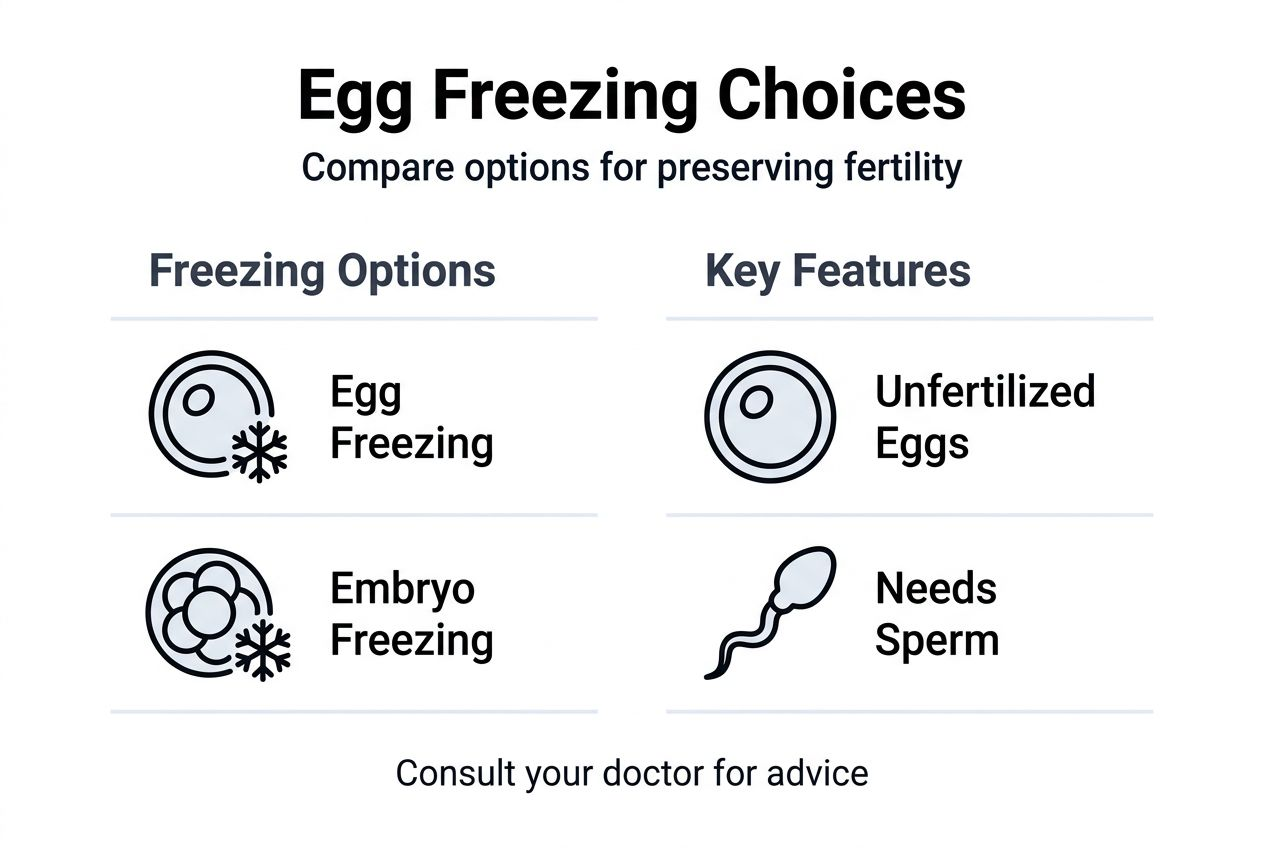
Choosing no preservation means accepting natural fertility decline. Some women prefer this path, banking on natural conception or accepting whatever timeline biology provides. This option avoids medical procedures and costs but offers no fertility insurance if circumstances change.
Factor | Egg Freezing | Embryo Freezing | No Preservation |
Requires partner/sperm | No | Yes | No |
Typical success rate | 12% per egg under 35 | 15-20% per embryo | Declines with age |
Future flexibility | High | Lower | Depends on natural fertility |
Upfront cost | $6,000-$15,000 per cycle | $8,000-$18,000 per cycle | $0 |
Ethical considerations | Minimal | Complex for some | None |
Your choice depends on personal circumstances:
Select egg freezing if you’re single, want maximum flexibility, or prefer not to use a sperm donor yet
Choose embryo freezing if you’re in a committed relationship and want slightly better odds
Consider no preservation if you plan to start a family soon or accept natural fertility outcomes
Each path carries different implications for your reproductive timeline and family planning options. Discussing these alternatives with a fertility specialist helps match your choice to your values, relationship status, and long-term goals.
Decision-making framework for egg freezing
Making an informed egg freezing decision requires evaluating multiple personal and medical factors. This systematic approach helps you weigh considerations specific to your situation.
Assess your ovarian reserve through AMH blood testing and antral follicle count ultrasound to understand how many viable eggs you currently have and how well you might respond to stimulation medications.
Evaluate your reproductive timeline by considering career plans, relationship status, desired family size, and when you realistically envision starting a family. Be honest about whether you want children, how many, and your flexibility around timing.
Consider financial realities since egg freezing costs typically range from $6,000 to $15,000 per cycle, plus annual storage fees of $500 to $1,000. Check whether your insurance covers any portion and whether your employer offers fertility benefits.
Review your health status and family history for conditions affecting fertility or pregnancy. Certain medical situations make egg freezing more urgent, while others might influence optimal timing.
Consult fertility specialists who can provide personalized recommendations based on your test results, age, and goals. Expert guidance helps you understand realistic outcomes for your specific circumstances.
Weigh emotional and ethical factors including how you feel about medical intervention in reproduction, your comfort with uncertainty, and your backup plans if frozen eggs don’t result in pregnancy.
This framework transforms an overwhelming decision into manageable steps. Each factor contributes to determining whether egg freezing aligns with your life plan and offers meaningful benefits given your situation.
Your decision should reflect both medical data and personal values. Some women find peace of mind worth the investment even if they never use frozen eggs. Others prefer to try natural conception first. Neither choice is wrong when it matches your priorities and circumstances.
Working through these considerations with professional support helps you reach a decision you can feel confident about, whatever you choose. Understanding decision factors specific to your age group provides additional context for timing your choice.
Preserve your fertility with Rejuvenating Fertility Center
Rejuvenating Fertility Center specializes in helping women over 35 preserve and maximize their fertility potential through advanced reproductive medicine. Our egg freezing services combine cutting-edge vitrification technology with personalized care tailored to your unique situation. We understand that every woman’s fertility journey differs, which is why we create customized treatment plans based on your ovarian reserve, health profile, and reproductive goals. Our experienced team, led by fertility specialists with decades of expertise, guides you through every step from initial consultation through egg storage. Whether you’re exploring options or ready to move forward, we’re here to provide the support and medical excellence you deserve. Take control of your reproductive timeline by scheduling a consultation to discuss how personalized IVF journey planning can help you achieve your family planning goals. Visit Rejuvenating Fertility Center to learn more about our comprehensive fertility preservation services.
Frequently asked questions about egg freezing
What is the ideal age to freeze eggs?
The ideal window for egg freezing is before age 35, when egg quality remains high and you can typically retrieve more eggs per cycle. Between ages 35 and 37 is still beneficial, though success rates begin declining. After 38, diminishing returns make the cost-benefit equation more complex, though some women still achieve good outcomes.
Are there risks involved in egg freezing?
Egg freezing carries medical risks including ovarian hyperstimulation syndrome, which causes bloating and discomfort in 2 to 5% of women. Rare complications include infection, bleeding, or adverse reactions to anesthesia during retrieval. Most women experience only mild symptoms like cramping and temporary hormonal effects that resolve within days.
How long can eggs be safely stored?
Frozen eggs can remain viable for decades when stored properly in liquid nitrogen. Studies show no degradation in egg quality even after 10 or more years of storage. Annual storage fees typically range from $500 to $1,000, and you can keep eggs frozen until you’re ready to use them or reach your fertility clinic’s age limit for treatment.
Do all frozen eggs result in pregnancy?
No, not every frozen egg becomes a baby. Survival rates after thawing reach 90% with modern methods, but only 70 to 80% of thawed eggs fertilize successfully. Of those embryos, roughly 30 to 50% implant and develop into viable pregnancies, depending on your age at freezing and uterine health at transfer.
How much does egg freezing typically cost?
Egg freezing costs between $6,000 and $15,000 per cycle, depending on your location and clinic. Medications add another $3,000 to $5,000. Annual storage fees run $500 to $1,000. Many women complete multiple cycles to freeze adequate eggs, multiplying these costs. Check whether your insurance or employer offers fertility preservation coverage to offset expenses. Review this step-by-step guide for detailed cost breakdowns and what each fee includes.
Recommended

