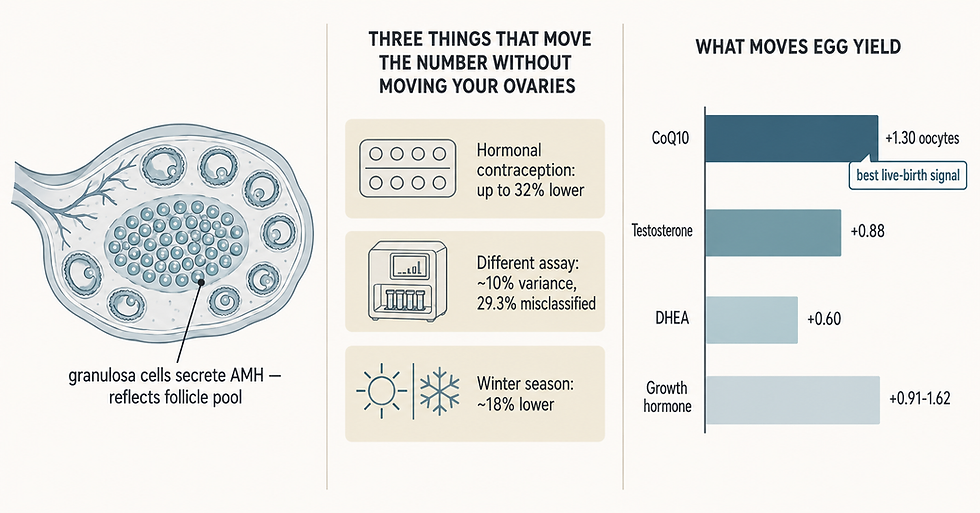
What is fertility wellness? 2026 guide for women over 35
Updated: Mar 13

One in five women face infertility, with risks rising sharply after 35. Fertility wellness offers a holistic approach that combines advanced medical treatments with lifestyle modifications and emotional support. This guide explains how integrating these elements can improve your chances of conception and enhance your overall reproductive health journey.
Table of Contents
Biological And Lifestyle Factors Affecting Fertility After 35
Role Of Emotional And Mental Well-Being In Fertility Success
Cutting-Edge Treatments And Wellness Practices In Fertility Wellness
Conclusion: Embracing Fertility Wellness For Enhanced Outcomes
Explore Fertility Wellness Solutions At Rejuvenating Fertility Center
Key takeaways
Point | Details |
Holistic approach | Fertility wellness combines advanced medical treatments with lifestyle changes and emotional care for comprehensive support. |
Age-related factors | Fertility declines significantly after 35, making personalized wellness strategies essential for reproductive success. |
Emotional impact | Stress management and psychological support improve hormonal balance and increase treatment adherence by 15-20%. |
Innovative treatments | Ovarian rejuvenation and stem cell therapies integrate with wellness practices to enhance outcomes for women over 35. |
Personalized planning | Customized fertility plans based on thorough assessments maximize conception chances and overall well-being. |
Introduction to fertility wellness
Fertility wellness represents a comprehensive approach that extends far beyond traditional reproductive medicine. It encompasses physical health optimization, emotional well-being support, and strategic lifestyle modifications tailored to your unique fertility journey. This integrated model recognizes that successful conception requires addressing the whole person, not just reproductive organs.
For women over 35 facing fertility challenges, this holistic perspective becomes particularly crucial. Your body’s reproductive capacity interacts with numerous factors including stress levels, nutritional status, sleep quality, and emotional resilience. Fertility wellness acknowledges these connections and builds treatment strategies that address them simultaneously.
Despite growing awareness, 40% of fertility patients remain unaware of integrative approaches combining medical and wellness therapies. This knowledge gap often leads women to pursue isolated treatments without leveraging the synergistic benefits of comprehensive care. Understanding how tailored treatment plans incorporate multiple wellness dimensions can transform your fertility outcomes.
Key components of fertility wellness include:
Advanced reproductive technologies customized to your age and fertility profile
Evidence-based nutritional strategies and targeted supplements supporting egg quality and hormonal balance
Stress reduction techniques and emotional counseling to optimize your body’s reproductive environment
Environmental toxin awareness and avoidance strategies protecting ovarian function
Regular monitoring and plan adjustments based on your response and changing needs
The fertility wellness framework empowers you to take active ownership of your reproductive health. Rather than feeling like a passive recipient of medical interventions, you become an informed participant making strategic choices across all aspects of your life. This shift often provides psychological benefits that complement the physical improvements, creating a positive feedback loop that enhances overall treatment success.
Women starting fertility treatments after 35 benefit most from this comprehensive approach because age-related fertility decline responds particularly well to multi-faceted interventions.
Biological and lifestyle factors affecting fertility after 35
Understanding how biological aging impacts fertility helps you make informed decisions about your reproductive timeline and treatment options. Your ovarian reserve naturally decreases with age, affecting both egg quantity and quality. These changes accelerate notably after 35, creating urgency for women pursuing pregnancy.
Age Range | Monthly Conception Probability | Key Factors |
30-34 | 15-20% | Gradual egg quality decline begins |
35-39 | 10-15% | Accelerated ovarian reserve decrease |
40-44 | 5-8% | Significant egg quality and quantity reduction |
45+ | 1-2% | Minimal viable egg production |
Fertility declines significantly after 35, compounded by conditions like PCOS, endometriosis, and thyroid disorders that become more prevalent with age. These chronic reproductive conditions create additional barriers to conception by disrupting ovulation, impairing implantation, or affecting hormonal balance. Identifying and managing these conditions forms a critical component of your fertility wellness strategy.
Lifestyle factors exert powerful influences on reproductive capacity, particularly for women over 35. Your daily choices regarding nutrition, physical activity, sleep, and environmental exposures directly impact egg quality and hormonal function. Unlike age-related decline, these factors remain largely within your control, offering concrete opportunities for improvement.

Nutrition plays a foundational role in fertility wellness. Antioxidant-rich foods protect eggs from oxidative stress, while adequate protein and healthy fats support hormone production. Micronutrient deficiencies, particularly in vitamin D, folate, and omega-3 fatty acids, can impair reproductive function. A balanced diet emphasizing whole foods provides the building blocks your body needs for optimal fertility.
Physical activity requires careful calibration. Moderate exercise improves insulin sensitivity, reduces inflammation, and supports healthy body weight, all beneficial for fertility. However, excessive high-intensity training can disrupt menstrual cycles and ovulation. Finding your optimal exercise balance supports rather than hinders conception efforts.
Sleep quality affects reproductive hormones more than many realize. Poor sleep disrupts the delicate timing of hormone secretion, potentially affecting ovulation and implantation. Prioritizing seven to eight hours of quality sleep helps maintain the circadian rhythms that govern reproductive cycles.
Environmental toxin exposure represents an often-overlooked fertility factor. Endocrine-disrupting chemicals in plastics, personal care products, and household cleaners can interfere with hormonal signaling. Reducing exposure through conscious product choices supports your body’s natural reproductive processes.
Pro Tip: Prioritize organic produce for the “Dirty Dozen” fruits and vegetables to minimize pesticide exposure, and switch to glass or stainless steel food storage containers to avoid plastic-based hormone disruptors.
Understanding these biological realities and lifestyle influences empowers you to optimize controllable factors while pursuing appropriate fertility treatments for age-related challenges.
Role of emotional and mental well-being in fertility success
Your emotional state profoundly influences fertility outcomes through complex interactions between stress hormones and reproductive function. When you experience chronic stress, your body produces elevated cortisol levels that can interfere with the hormonal signals necessary for regular ovulation. This physiological response evolved to prevent pregnancy during threatening circumstances, but modern chronic stress triggers the same protective mechanisms.
Emotional well-being extends beyond stress management to encompass your overall psychological resilience and mental health. Depression and anxiety affect fertility both directly through hormonal pathways and indirectly by reducing treatment adherence and healthy lifestyle behaviors. Addressing these mental health dimensions creates a more supportive internal environment for conception.
Emotional support programs improve outcomes, with research showing 15-20% higher patient satisfaction and better fertility treatment adherence among women receiving psychological care. This improvement stems from multiple mechanisms including reduced stress hormones, enhanced treatment compliance, and improved relationship dynamics with partners.
Key emotional wellness strategies include:
Professional counseling to process fertility-related grief, anxiety, and relationship stress
Mindfulness meditation and breathing exercises to activate your body’s relaxation response
Support groups connecting you with others navigating similar fertility journeys
Cognitive behavioral techniques to reframe negative thought patterns about conception
Couples therapy to strengthen partnership communication and shared decision making
These interventions work synergistically with medical treatments rather than replacing them. Women who integrate emotional support into their fertility plans often report feeling more empowered and less overwhelmed by the treatment process. This psychological shift can improve treatment outcomes by enhancing your ability to sustain healthy behaviors and maintain hope during setbacks.
“Fertility wellness recognizes that emotional resilience and mental clarity are not luxuries but essential components of reproductive health. When we support the whole person, we create optimal conditions for conception and pregnancy.”
Your mind and body function as an integrated system where emotional states directly influence physical processes. Recognizing this connection allows you to leverage psychological wellness as an active fertility strategy. Simple practices like daily meditation, journaling, or regular therapy sessions can create measurable improvements in stress markers and treatment outcomes.
Pro Tip: Schedule stress-reduction activities at the same time each day to build sustainable habits, treating these practices as non-negotiable appointments equal in importance to medical treatments.
Cutting-edge treatments and wellness practices in fertility wellness
Modern fertility wellness integrates advanced reproductive technologies with complementary therapies to maximize conception success. This integration recognizes that medical interventions work best when supported by optimal overall health and well-being. The most effective programs customize treatment combinations based on your specific fertility challenges and health profile.
Advanced reproductive medical treatments form the core of fertility wellness for many women over 35. IVF with personalized protocols adjusts medication dosing and timing based on your ovarian response patterns. Preimplantation genetic testing identifies chromosomally normal embryos, addressing the increased aneuploidy risk associated with advanced maternal age. These technologies significantly improve success rates compared to unmonitored conception attempts.
Integrative approaches combining IVF with ovarian rejuvenation and stem cell therapy improve success rates for women over 35 by addressing age-related egg quality decline. Ovarian rejuvenation techniques aim to stimulate dormant follicles and improve the ovarian environment. While still emerging, these regenerative approaches show promise for women with diminished ovarian reserve.
Regenerative therapies represent the frontier of fertility wellness innovation. Platelet-rich plasma injections into ovaries may enhance follicle development and egg quality through growth factor delivery. Stem cell treatments explore the potential to rejuvenate aging reproductive tissues. Though research continues, early results suggest these approaches may extend fertility windows for some women.
Hormonal balancing addresses the endocrine disruptions that often accompany aging and chronic health conditions. Thyroid optimization, insulin sensitivity improvement, and progesterone support create more favorable conditions for conception and early pregnancy maintenance. These interventions frequently combine pharmaceutical and lifestyle approaches for comprehensive hormonal health.
Treatment Approach | Traditional Focus | Fertility Wellness Integration |
IVF protocols | Standardized medication timing | Personalized dosing based on individual response patterns |
Egg quality support | Limited intervention options | Antioxidant supplementation, mitochondrial support, lifestyle optimization |
Uterine preparation | Basic hormone supplementation | Regenerative therapies, immune modulation, microbiome optimization |
Emotional care | Optional counseling referrals | Integrated psychological support as standard treatment component |
Lifestyle factors | General health advice | Specific nutrition plans, toxin reduction protocols, sleep optimization |
Personalized fertility plans synthesize these diverse treatment options into coherent strategies aligned with your goals, values, and medical needs. Your plan might combine IVF with acupuncture for stress reduction, targeted supplements for egg quality, and counseling for emotional support. This comprehensive approach addresses fertility from multiple angles simultaneously.
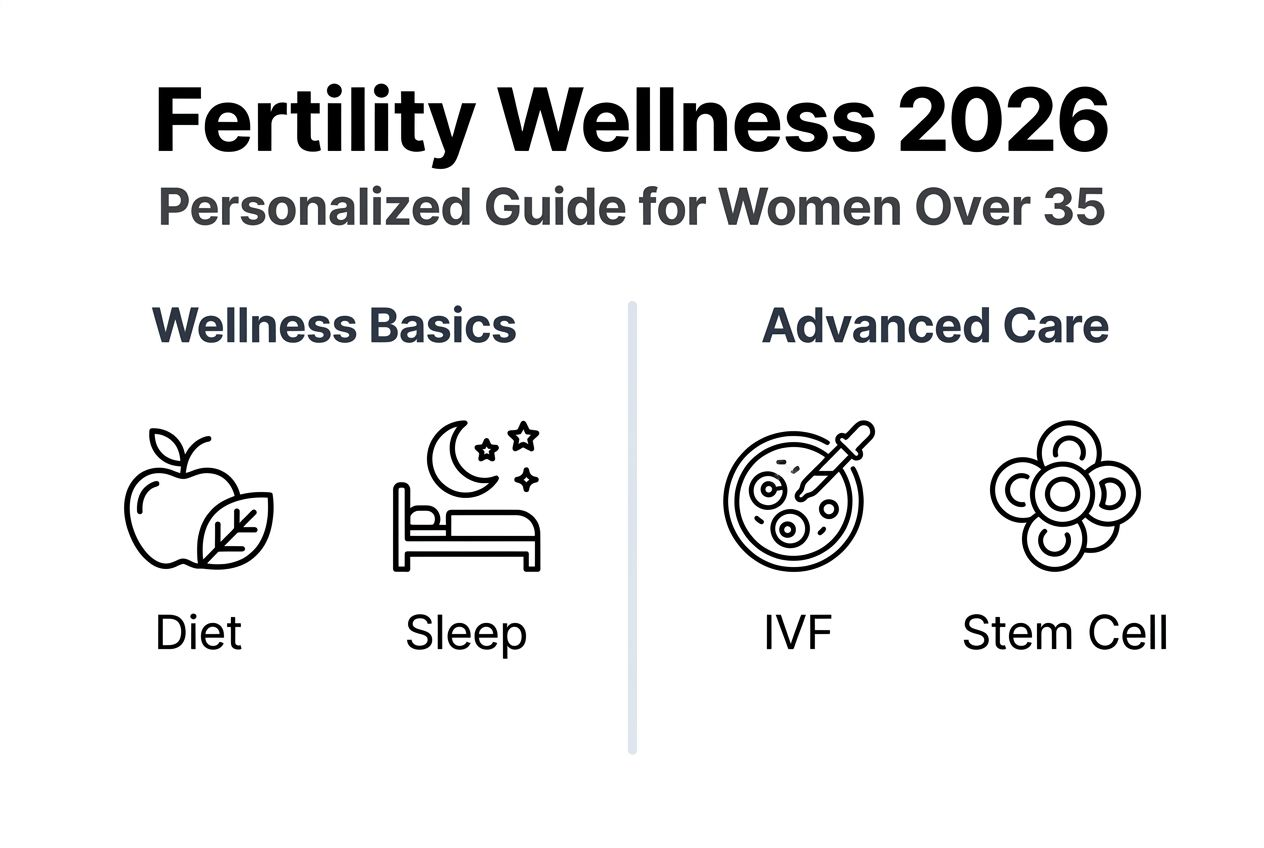
The key advantage of integrated fertility wellness lies in treating root causes rather than isolated symptoms. When you optimize nutrition, reduce stress, balance hormones, and employ advanced reproductive technologies together, the combined effect often exceeds the sum of individual interventions. This synergy creates your best chance for conception while supporting your overall health and quality of life.
Common misconceptions about fertility wellness
Many women misunderstand fertility wellness as an alternative medicine approach that excludes conventional medical treatments. This misconception can delay necessary interventions and reduce conception chances. In reality, fertility wellness embraces evidence-based medical treatments as central components while expanding care to include complementary wellness strategies.
The belief that lifestyle changes alone guarantee pregnancy represents another common misunderstanding. While nutrition, exercise, and stress management significantly impact fertility, they cannot fully compensate for age-related egg quality decline or structural reproductive issues. Lifestyle optimization works best when combined with appropriate medical interventions based on your specific fertility challenges.
Some women assume fertility wellness follows a one-size-fits-all protocol with universal recommendations. This standardized approach contradicts the core principle of personalization that defines effective fertility wellness. Your optimal plan depends on your age, medical history, fertility diagnosis, lifestyle factors, and personal preferences. What works for one woman may not suit another.
The misconception that fertility wellness takes too much time or effort can prevent women from pursuing comprehensive approaches. While fertility wellness does require commitment, the strategies integrate into your existing lifestyle rather than demanding complete life overhauls. Small, sustainable changes often produce better results than dramatic short-term efforts.
Key clarifications include:
Fertility wellness incorporates advanced medical treatments as foundational elements, not alternatives to avoid
Lifestyle modifications enhance but do not replace necessary medical interventions for age-related or medical fertility factors
Effective fertility wellness requires personalized assessment and planning rather than generic protocols
Wellness strategies work best as consistent, moderate practices rather than extreme temporary measures
Emotional support complements rather than substitutes for medical care, addressing psychological dimensions that affect outcomes
Understanding these realities helps you approach fertility wellness with accurate expectations and effective strategies. The goal is not to choose between medical treatment and wellness approaches but to thoughtfully combine them in ways that address your unique fertility situation. This integrated perspective provides the most comprehensive support for your conception journey.
Personalizing your fertility wellness plan
Creating an effective fertility wellness plan begins with comprehensive assessment of your current reproductive health and overall wellness status. This evaluation identifies specific factors affecting your fertility and guides treatment prioritization. Without this foundational understanding, you risk implementing generic strategies that may not address your actual needs.
Follow this framework to develop your personalized plan:
Complete comprehensive fertility testing including hormone panels, ovarian reserve assessment, and structural evaluations to identify specific reproductive challenges.
Evaluate lifestyle factors through nutrition analysis, sleep quality assessment, stress level measurement, and environmental toxin exposure review.
Assess emotional wellness by examining stress levels, relationship dynamics, mental health status, and coping resources currently available.
Identify priority areas for intervention based on test results, symptoms, and factors most significantly impacting your fertility potential.
Develop specific, measurable goals for each priority area with realistic timelines and concrete action steps.
Implement changes gradually, starting with highest-impact modifications and building sustainable habits before adding new elements.
Monitor progress through regular follow-up testing, symptom tracking, and outcome measurement to assess strategy effectiveness.
Adjust your plan based on response patterns, changing circumstances, and new information from ongoing assessments.
Lifestyle optimization forms a cornerstone of your personalized plan. Focus nutrition improvements on increasing antioxidant-rich foods, ensuring adequate protein intake, and addressing any identified micronutrient deficiencies. Your specific dietary needs depend on factors like insulin resistance status, inflammatory markers, and digestive health.
Sleep enhancement strategies might include establishing consistent bedtime routines, optimizing your bedroom environment, and addressing any underlying sleep disorders. The goal is seven to eight hours of quality sleep nightly, timed to support your natural circadian rhythms and hormone production patterns.
Exercise modifications should reflect your current fitness level and fertility needs. Many women benefit from reducing high-intensity training while increasing moderate activities like walking, swimming, or gentle yoga. Your optimal exercise plan balances metabolic health benefits against potential negative effects on ovulation.
Environmental toxin reduction focuses on high-impact changes like switching to clean personal care products, using glass food storage, and choosing organic produce for foods with highest pesticide residues. These modifications reduce endocrine disruptor exposure without requiring complete lifestyle overhauls.
Emotional wellness practices need customization based on your stress patterns and psychological needs. Some women benefit most from individual therapy, while others find greater value in support groups or couples counseling. Mindfulness practices, journaling, and creative outlets provide additional emotional processing tools.
Medical treatment selection depends on your fertility assessment results and personal circumstances. Couples should review their fertility checklist together to ensure aligned priorities and shared decision making. Treatment options range from ovulation induction for irregular cycles to IVF with genetic testing for age-related egg quality concerns.
Women preparing for IVF naturally can optimize outcomes through preconception wellness strategies in the months preceding treatment. This preparation improves egg quality, enhances uterine receptivity, and supports overall treatment tolerance.
Staying current with evolving best practices for IVF in 2026 ensures your treatment plan incorporates the latest evidence-based approaches. Fertility medicine advances rapidly, making periodic plan reviews valuable for maintaining optimal strategies.
Pro Tip: Schedule monthly plan reviews to assess what’s working, identify needed adjustments, and maintain motivation through visible progress tracking and goal refinement.
Conclusion: embracing fertility wellness for enhanced outcomes
Fertility wellness offers women over 35 a comprehensive framework for improving conception chances while supporting overall health and well-being. By integrating advanced medical treatments with lifestyle optimization and emotional support, you create synergistic benefits that exceed isolated interventions. This holistic approach addresses the complex, interconnected factors affecting reproductive success.
The evidence clearly demonstrates that combining medical expertise with personalized wellness strategies produces better outcomes than either approach alone. Women who embrace this integrated model often experience not only improved fertility results but also enhanced quality of life, reduced treatment-related stress, and greater sense of empowerment throughout their conception journey.
Your fertility wellness path is uniquely yours, requiring personalized assessment and customized strategies aligned with your specific challenges and goals. Taking time to understand your individual fertility factors and systematically addressing them through comprehensive care maximizes your chances for success. The investment in your reproductive health extends beyond conception to support your long-term wellness and future family health.
Seeking expert guidance from specialized fertility centers ensures access to the latest treatments and most effective wellness strategies. Professional support helps you navigate the complex fertility landscape with evidence-based recommendations tailored to your needs. Your next step involves scheduling a comprehensive fertility assessment to begin building your personalized wellness plan.
Explore fertility wellness solutions at rejuvenating fertility center
Rejuvenating Fertility Center specializes in integrated fertility wellness for women over 35, combining cutting-edge reproductive medicine with comprehensive wellness support. Our personalized approach addresses your unique fertility challenges through advanced treatments including customized IVF protocols, ovarian rejuvenation, and diverse IVF options tailored to your needs.
We offer regenerative therapies like uterine rejuvenation and stem cell treatments alongside comprehensive emotional support programs. Our team understands the specific challenges facing women over 35 and designs treatment plans that optimize your fertility potential while supporting your overall well-being. Every aspect of care is personalized based on thorough assessment of your reproductive health, lifestyle factors, and wellness goals.
Scheduling a consultation provides the opportunity to discuss your fertility journey, review your assessment results, and develop a comprehensive wellness plan addressing medical, lifestyle, and emotional dimensions of reproductive health.
Frequently asked questions
What does fertility wellness include beyond medical treatments?
Fertility wellness encompasses nutrition optimization, stress management, sleep enhancement, environmental toxin reduction, and emotional support alongside medical interventions. This integrated approach recognizes that conception success depends on overall health, not just reproductive treatments. Personalized wellness plans address lifestyle factors that significantly impact egg quality, hormonal balance, and treatment outcomes.
How does emotional health affect fertility success?
Chronic stress elevates cortisol levels that interfere with ovulation and implantation through hormonal disruption. Anxiety and depression reduce treatment adherence and healthy lifestyle behaviors that support conception. Research shows women receiving emotional support demonstrate 15-20% higher treatment satisfaction and better outcomes. Addressing psychological well-being creates physiological conditions more favorable for pregnancy.
Can lifestyle changes really improve fertility after 35?
Lifestyle modifications significantly impact egg quality and hormonal function even after 35, though they cannot fully reverse age-related decline. Nutrition optimization, moderate exercise, quality sleep, and toxin avoidance support reproductive health and enhance medical treatment effectiveness. These changes work best when combined with appropriate medical interventions based on individual fertility assessment. Sustainable lifestyle improvements provide measurable benefits within three to six months.
What innovative treatments are part of fertility wellness?
Fertility wellness integrates ovarian rejuvenation techniques, stem cell therapies, platelet-rich plasma treatments, and personalized IVF protocols with preimplantation genetic testing. These advanced approaches address age-related egg quality decline and diminished ovarian reserve. Regenerative therapies show promise for extending fertility windows, while customized treatment protocols optimize outcomes based on individual response patterns. Comprehensive programs combine medical innovation with wellness support.
How do I create a personalized fertility wellness plan?
Begin with comprehensive fertility testing and lifestyle assessment to identify specific factors affecting your reproductive health. Prioritize interventions based on test results and highest-impact opportunities for improvement. Develop measurable goals for nutrition, sleep, stress management, and medical treatments with realistic timelines. Implement changes gradually to build sustainable habits, then monitor progress through regular testing and adjust strategies based on your response patterns and evolving needs.
Recommended